Marion Nixon: The Cephalopod Pioneer Whose Work Illuminated Octopus Secrets
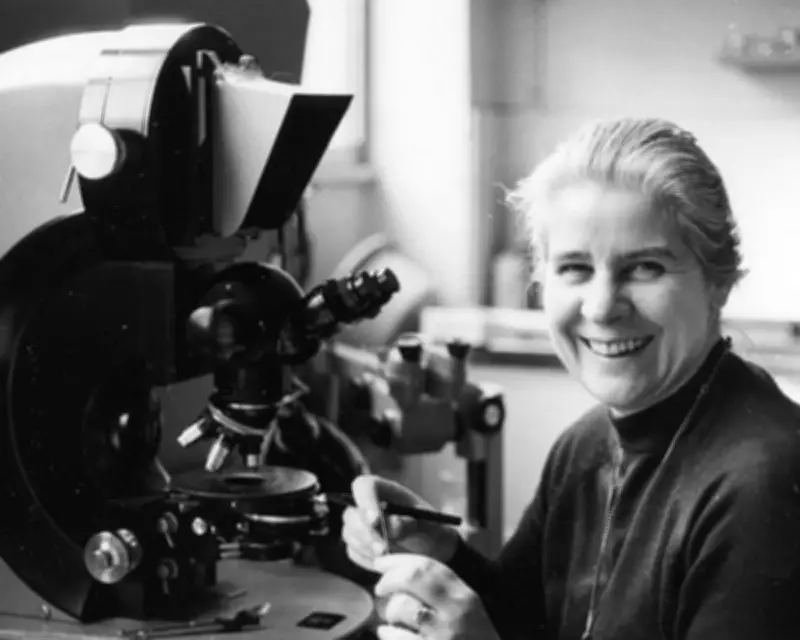
Marion Nixon, the esteemed cephalopod researcher whose ingenious work clarified fundamental aspects of octopus biology, has died at the age of 95. A cherished friend and colleague to generations of scientists, she was renowned for her meticulous contributions to marine science, particularly in understanding how octopuses feed and digest their food.
A Prolific Academic Career at University College London
Nixon's academic journey was deeply rooted at University College London (UCL), where she earned her PhD in 1968 for her groundbreaking research on octopuses. Over her distinguished career, she authored approximately 70 papers and book chapters, focusing on both living and fossil octopuses and squids. Her work not only expanded scientific knowledge but also corrected long-held misconceptions about these fascinating creatures.
For nearly three decades, Nixon served as a research assistant to John Z Young, the former head of UCL's anatomy department. In this role, she played an indispensable part in facilitating the publication of a vast array of academic papers and textbooks. Young frequently acknowledged her essential contributions, noting that while he dictated the text, Nixon handled the critical behind-the-scenes work: collating references, editing, revising, proofreading, and coordinating with publishers.

Key Research Contributions and Myth Debunking
One of Nixon's most significant achievements was debunking the myth that octopuses feed on crabs by externally dissolving their flesh, akin to spiders. Through her rigorous research, she demonstrated that octopuses actually break their food into small pieces, which are then consumed and digested normally. This clarification provided a more accurate understanding of cephalopod feeding mechanisms.
In the 1960s, Nixon was a pioneer in using video cameras for scientific observation, recording the intricate movements of the musculature and organs in the octopus's mouth region. Her innovative techniques set a precedent for future studies in marine biology.
Perseverance and Posthumous Publication
Nixon's dedication was particularly evident in the publication of The Brains and Lives of Cephalopods in 2003, six years after Young's death. Her perseverance ensured that this seminal work reached publication, highlighting her commitment to advancing scientific knowledge. Her diligence and attention to detail allowed Young to maximize his output during the latter part of his career, freeing him from administrative burdens.
Early Life and Personal Journey
Born in Thornton Heath, south London, Marion was the daughter of Ernest Putnam, an insurance salesman for Eagle Life, and Ethel (née Bond), a seamstress. After attending Selhurst Grammar School for Girls, she pursued a BSc in zoology at Chelsea College of Science and Technology. She worked as a technician at the Royal Free Hospital in Hampstead and St Mary's Medical School in Paddington before joining UCL as Young's research assistant.
At St Mary's, she met Dennis Nixon, a physiologist, whom she married in 1955. Dennis died in 1972, and Marion is survived by their children, Ann and Peter, and grandchildren, Andrew and Cameron.
International Experiences and Personal Qualities
Nixon's passion for science extended beyond the laboratory. On three occasions, she spent summers working at the Zoological Research Station in Naples, Italy. She would drive from London to Naples via France and northern Italy, a journey she undertook to broaden her children's worldly experiences.
Described as soft-spoken yet forthright in expressing her opinions, Nixon was known for her wonderfully pleasant and modest manner. An excellent cook, she regularly treated family and friends to a diverse array of English, French, and Italian dishes, often accompanied by fine wine.
Marion Nixon's legacy endures through her substantial contributions to cephalopod science, her role in supporting pivotal academic works, and her dedication to both her family and the scientific community. Her work continues to inspire researchers exploring the mysteries of marine life.