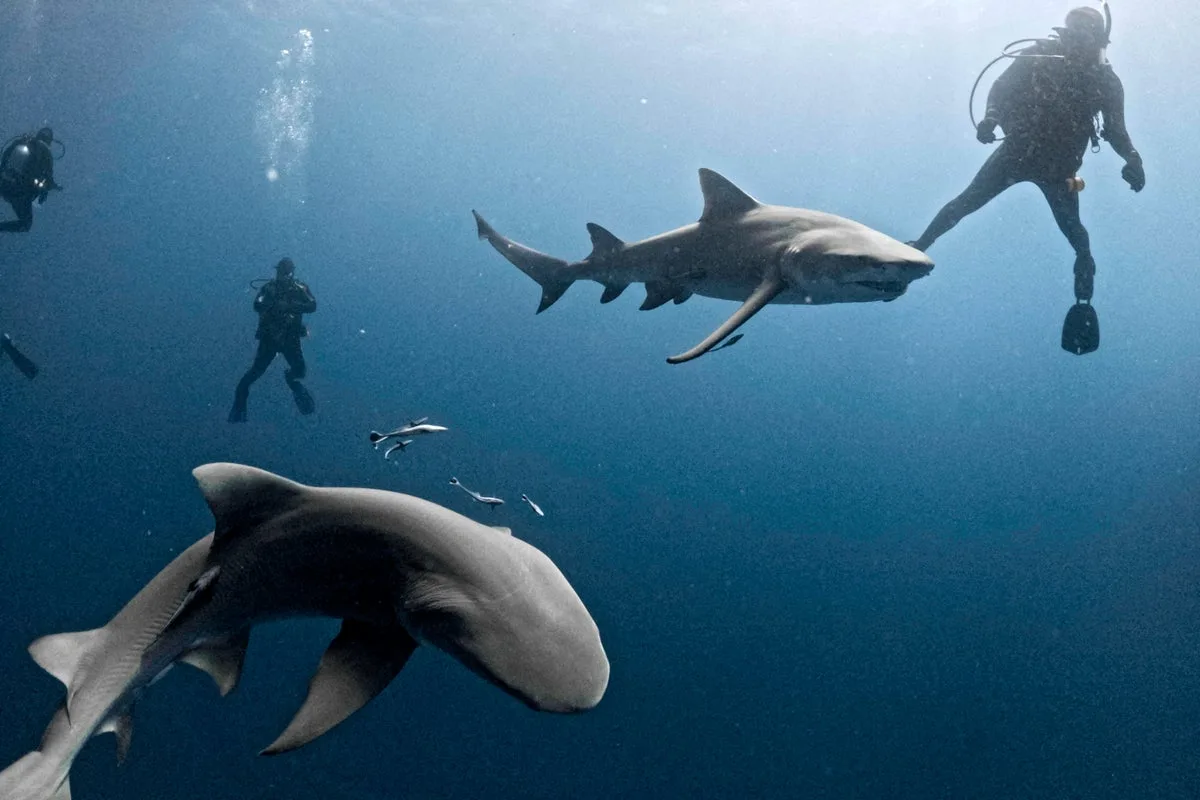
Scientists have found traces of cocaine, caffeine and painkillers in sharks off the coast of the Bahamas, according to a study published in Environmental Pollution. The research marks the first time cocaine and diclofenac have been detected in sharks native to the region, and the first time caffeine and acetaminophen have been found in any shark species worldwide.
The study involved capturing 85 sharks near Eleuthera Island and an inactive fish farm. Of these, 28 tested positive for at least one of the drugs. The affected species included Caribbean Reef Sharks, Atlantic Nurse Sharks, and Lemon Sharks. Researchers noted changes in metabolic markers such as triglycerides, urea, and lactate levels in contaminated sharks.
Natascha Wosnick, a biologist at Federal University of Paraná in Brazil and co-author of the study, attributed the contamination to human activity. 'It’s mostly because people are going there, peeing in the water and dumping their sewage in the water,' she told Science News. She added that a young Lemon Shark positive for cocaine may have ingested a drug packet, as sharks often bite objects to investigate.
The study highlights the risk of pharmaceutical and illicit drug pollution in marine environments, even in seemingly pristine ecosystems. Diclofenac, an anti-inflammatory, can cause kidney disease in animals, while cocaine and caffeine are linked to hyperglycemia and lactate accumulation. Wosnick previously found cocaine in sharks off Brazil, where levels were higher due to testing muscle tissue rather than blood.
Researchers warn that chemical pollution from pharmaceuticals and illicit drugs is an emerging concern, often overshadowed by issues like oil spills and plastic pollution. The findings underscore the need for greater monitoring of contaminants in areas with rapid urbanization and tourism.