
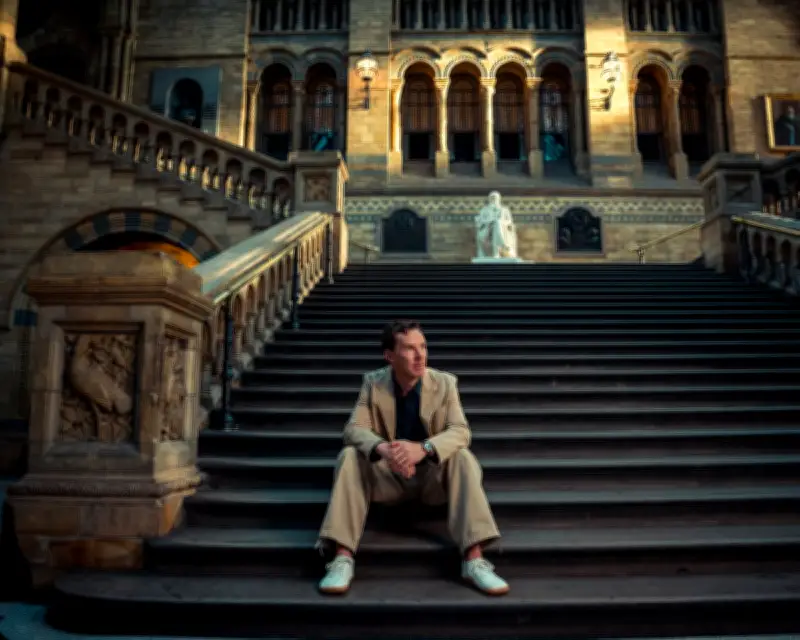
Fredi Devas's documentary How to Live on Earth, presented by Benedict Cumberbatch at London's Natural History Museum, offers a counterpoint to typical doom-and-gloom climate films. Instead of despair, it highlights real, positive measures that individuals and communities can adopt to combat the climate crisis.
Focus on Practical Solutions
The film revisits the issue of meat consumption and its link to deforestation, but avoids inducing guilt. It acknowledges that plant-based meat substitutes like mycelium are not yet perfect, but notes that improvements are ongoing. Bio-investment initiatives are discussed, linking business models to regenerating natural resources.
Diverse Expert Insights
Contributors include a forest healing instructor in South Korea who uses woodlands for therapy, and naturalist Dan O'Neill, who praises Singapore's integration of green spaces into its urban environment despite its reputation for strict regulations. The film also features interviews with various experts offering pragmatic advice.
Tone and Presentation
The documentary's tone occasionally feels like a school educational program, with a surging score that cues emotions of hope and euphoria. However, it provides substantial food for thought without being preachy. While acknowledging that top-down government measures are crucial, the film emphasizes the role of grassroots action.
According to the review, How to Live on Earth is a valuable addition to climate discourse, focusing on actionable steps rather than despair. It is set for UK cinema release on 26 June.




