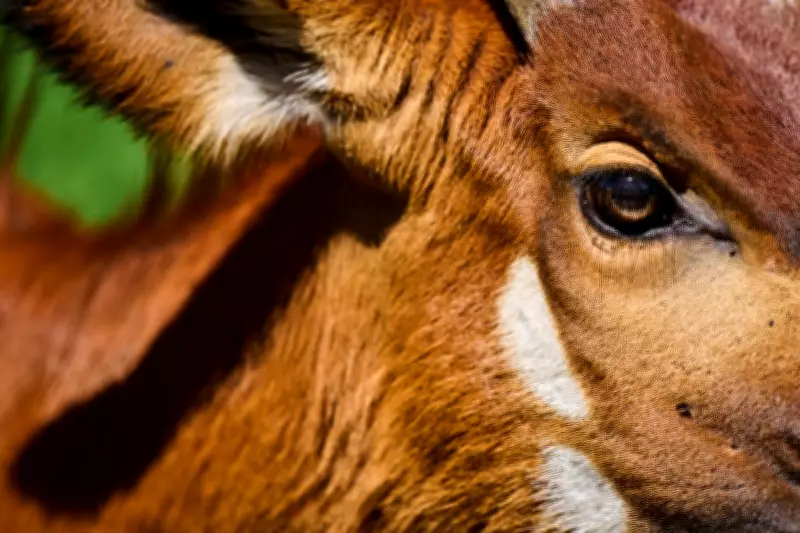
The critically endangered mountain bongo antelope, often called the 'ghost of the forest' due to its elusive behavior and remarkable camouflage within dense vegetation, is making a cautious return to Kenya's wild forests. This remarkable development marks a significant milestone in conservation efforts for one of Africa's most secretive and threatened species.
A Species on the Brink
The mountain bongo, a striking forest antelope with a rich chestnut coat and white stripes, has faced severe population declines over the past decades. Habitat loss, poaching, and disease have pushed this species to the edge of extinction, with only a few hundred individuals remaining in the wild. Their shy nature and preference for dense, mountainous forests have earned them their ghostly moniker, making them notoriously difficult to study and protect.
Conservation Efforts Pay Off
Recent photographic evidence captured by conservationists and local communities reveals that the bongo is slowly recolonizing parts of its former range. These images, part of a photo gallery curated by AP photo editors, show the antelope moving through the undergrowth, a testament to the success of collaborative conservation initiatives. Anti-poaching patrols, habitat restoration, and community engagement have all played a crucial role in creating a safer environment for the bongo to thrive.

Local conservationists express cautious optimism. 'This is a sign that our efforts are working,' said one wildlife ranger involved in the monitoring program. 'The bongo is a symbol of the forest's health. Its return brings hope not just for this species, but for the entire ecosystem.'
Challenges Remain
Despite the encouraging signs, the mountain bongo's future is far from secure. The species remains critically endangered, and continued threats from human encroachment and climate change pose ongoing risks. Conservation groups emphasize the need for sustained funding and community support to ensure that the 'ghost of the forest' can continue its comeback. The recent sightings, however, offer a powerful reminder of nature's resilience and the impact of dedicated conservation work.
As the bongo slowly emerges from the shadows, it serves as a beacon of hope for wildlife preservation in Kenya and beyond.