
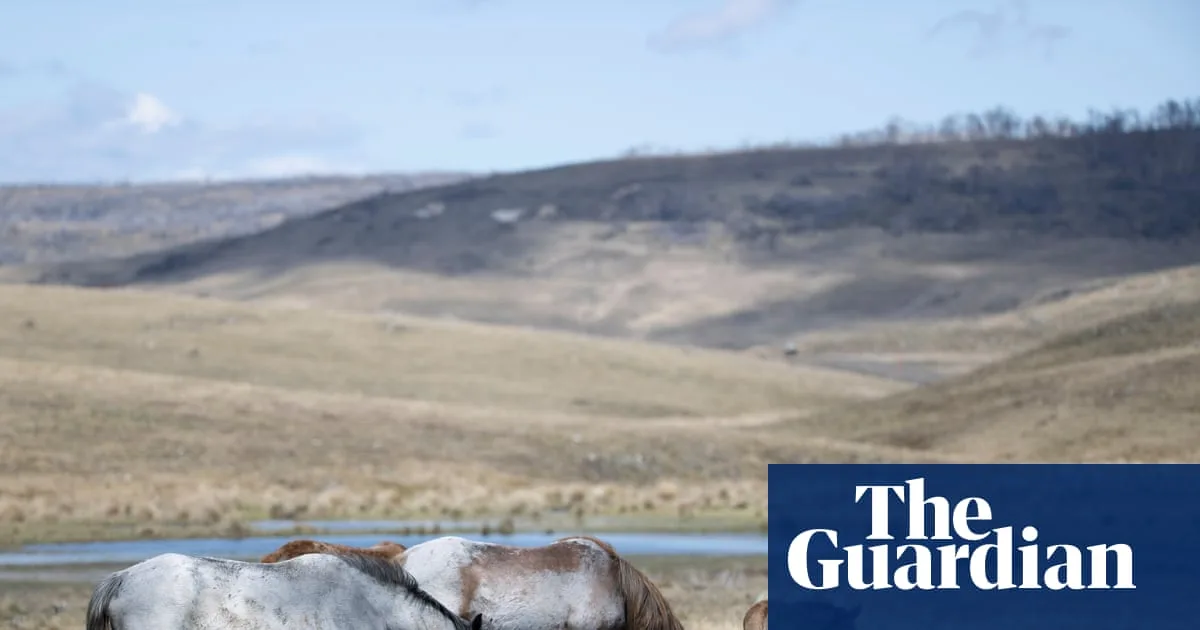
Feral horse numbers in Kosciuszko National Park have surged, with new survey data estimating populations climbed by thousands after the New South Wales government paused aerial culling in 2025. The government’s annual survey, released Friday, estimated there were between 6,476 and 16,411 feral horses in the park in late 2025, a sharp increase from the previous year when numbers dropped to an estimated 2,131–5,639 horses after aerial shooting resumed.
Conservation advocates say the rebound demands an urgent rethink of retention zones that allow thousands of horses to remain in the park. The NSW environment minister, Penny Sharpe, said the data confirmed the need for “continued management” to meet the legally mandated target of reducing feral horse numbers to 3,000 by mid-2027. She noted early signs of recovery in areas where horses had been reduced, but overall numbers remained high, causing evident damage to the fragile alpine environment.
Sharpe said the government was exploring all options, including engaging an independent expert to design a reproductive control trial. “No one wants to have to kill horses. But there are still too many in Kosciuszko national park,” she said. The culling of horses and other feral species will resume in June.
Jack Gough, chief executive of the Invasive Species Council, said the rebound reflected the fact that no control work was undertaken in 2025 and showed culls should occur annually. He called for urgent amendments to the state’s feral horse management plan, which requires at least 3,000 horses to be retained in four zones covering 32% of the park. “It’s disappointing given the broad cross party consensus the government still hasn’t scrapped these retention zones and the ridiculous 3,000 horse target,” Gough said.




