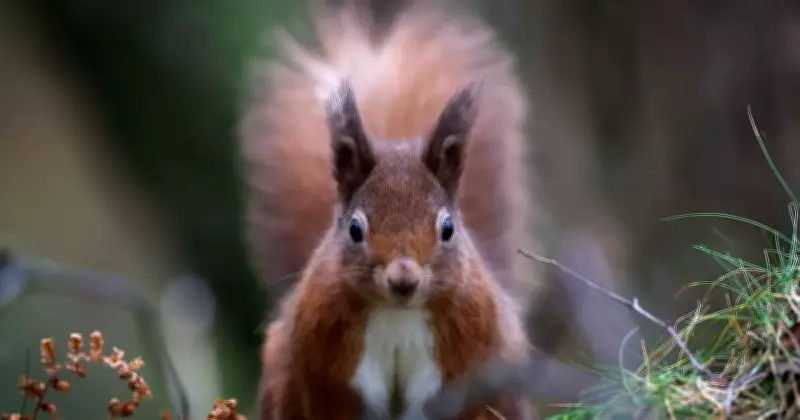
Households have been urged to keep animal feeders in their gardens clean to protect the endangered red squirrel. Feeders need to be cleaned with hot, soapy water and a non-toxic disinfectant once a week to prevent the spread of diseases such as squirrelpox.
Any leftover food should be removed before it goes mouldy and disposed of properly instead of thrown on the floor, Saving Scotland’s Red Squirrels (SSRS) said. The conservation organisation has released five measures people can take to try to boost red squirrel numbers in their gardens. This includes choosing native plants like Scots pines, providing fresh water, offering red squirrels a variety of food, and using the right type of feeder.
Feeder guidance from conservation group
The organisation said building or buying a squirrel-specific feeder with a flip-top lid is ideal because it prevents other animals from getting at food that is not good for them.
Molly Martin, communications and engagement officer for SSRS, said: “It would be devastating if we were accidentally doing more harm than good for them with bad feeding practice.
“Red squirrels are already under threat from competition by grey squirrels, so if you’re in an area with both species, we’d recommend not feeding squirrels at all. Not only will this remove some of the competition, but we know that feeders are a location where red squirrels could contract the deadly squirrelpox virus, as it can linger on surfaces after an infected grey squirrel visits.”
Red squirrel population in the UK
Red squirrels are endangered in the UK, with about 120,000 to 160,000 left in the wild and various projects are aiming to boost those numbers. There are some strongholds in England, but 75% of the British population is in Scotland.
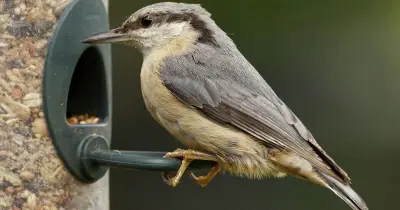
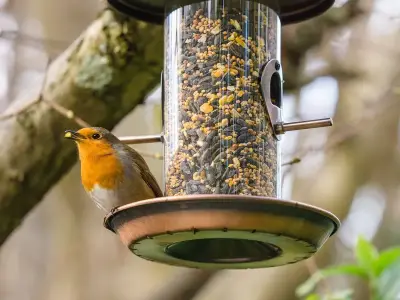
Meanwhile, the RSPB has urged wildlife lovers to rehang feeders with seed and peanuts from Sunday to help garden birds through the colder weather as natural supplies become harder to find. More than half of all households with a garden regularly put out food for the birds, the RSPB said.
Seasonal feeding advice for birds
Updated guidance from the organisation is to pause putting out seeds and nuts, which are the preferred food of finches, from May 1 to October 31. The change was prompted by worrying declines in greenfinches, who have lost more than 65% of their population since the 1990s, because of a deadly disease called trichomonosis.
Their research looked at the role garden bird-feeding might play in the spread of this disease, which affects the throat of a bird, making it hard to swallow food.
Adrian Thomas, the RSPB’s wildlife gardening expert, said: “Winter is one of the hardest times for birds to find food, so the food we put out can literally be a lifeline. The trichomonosis parasite struggles to survive in colder temperatures, so it is much safer to resume feeding nuts and seeds now, which will hopefully give our birds a much-needed boost.”
He added: “Our message is to feed seasonally and feed safely. I also can’t stress enough how important it is to clean feeders thoroughly at least once a week.
“We’re thankful to the many people we know have taken our advice on board and adjusted how they feed garden birds to help protect them from disease. The weather has presented many challenges this summer, so supporting birds now and through the winter is more important than ever.”