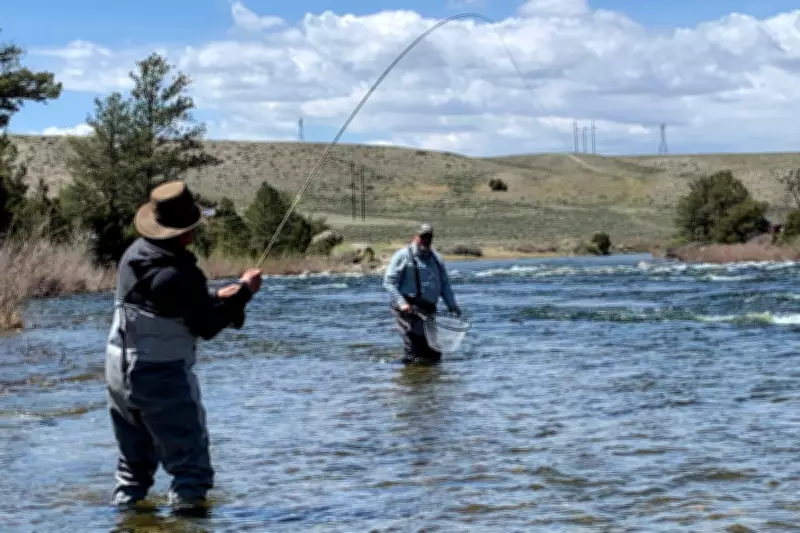
A proposed $4 billion pumped-water electricity storage facility at Seminoe Reservoir in Wyoming has drawn sharp criticism from anglers, business owners, and wildlife biologists, who warn it could devastate the prized Miracle Mile trout fishery on the North Platte River and jeopardize a bighorn sheep herd used to support populations elsewhere.
Testifying before the Legislature’s Travel, Recreation, Wildlife and Cultural Resources Committee on Thursday, critics argued that the Federal Energy Regulatory Commission's (FERC) permitting review is too lenient on acceptable impacts and relies on inaccurate assumptions provided by project developer rPlus Hydro.
Local Concerns Mount
Casper Mayor Ray Pacheco told the panel that the city depends on the North Platte River for drinking water, wastewater treatment, recreation, tourism, and quality of life. He emphasised that the concerns are not theoretical but directly affect the community.

The Wyoming Game and Fish Department expressed serious reservations about impacts to the Ferris-Seminoe bighorn sheep herd, primarily from blasting and industrial traffic during the five-year construction period. An official noted that these issues may be unresolvable, though the agency retains the right to object to the project.
Energy and Environmental Trade-offs
Critics also challenged the project's energy benefits, claiming it results in a net energy loss. They raised alarms about warmer water temperatures harming trout, arguing that rPlus Hydro's temperature impact analysis is based on outdated data from the 2010s and fails to account for climate-driven drought. Seminoe Reservoir is currently at just 32% of its storage capacity.
State Senator Larry Hicks, a Republican from Baggs, drew parallels to the Colorado River system and Flaming Gorge, noting the worsening drought and water crisis in the West. He expressed concern that the project's analysis underestimates the frequency of low-water years.
Project Details
rPlus Hydro describes the pumped-water storage facility as a water battery that stores energy generated during low-demand periods and releases it during peak hours. The company plans to build a 13,400-acre-foot reservoir in the Bennett Mountains above Seminoe Reservoir.
Deputy General Counsel Kevin Baker argued that the project would lower electricity costs and improve grid reliability across the western grid, including Wyoming. He cited FERC estimates of $200 million annual savings to ratepayers and warned that rejecting the project could lead to greater environmental impacts elsewhere.
However, Senator Hicks countered that Wyoming is a net electricity exporter and that rPlus Hydro relies on federal tax credits. Baker maintained that the energy storage function enhances reliability and affordability without consuming significant water or harming fish habitat or drinking water supplies.
Regulatory and Legislative Hurdles
Many stakeholders expressed frustration that FERC, as the primary permitting agency, has not adequately engaged with locals. The Travel Committee noted that the Legislature lacks a direct role but identified remaining permitting steps where it can exert influence.
The Bureau of Land Management, a cooperating agency, may request amendments if unsatisfied with FERC's final environmental impact statement, expected in June. Wyoming Game and Fish also holds sway, and the project must still secure approval from the state's Industrial Siting Council.
The committee's cochairs proposed drafting a letter to Wyoming's congressional delegation and permitting agencies, urging them to address stakeholder concerns. The idea was unanimously approved.
CiCi Oliver of the Ugly Bug Fly Shop in Casper, which employs 45 people and relies on the North Platte River fishery, voiced broader concerns: This proposal requires exemptions from existing land use and wildlife protections. If a project only works by loosening protections designed to safeguard habitat, perhaps it is not suited for the location.