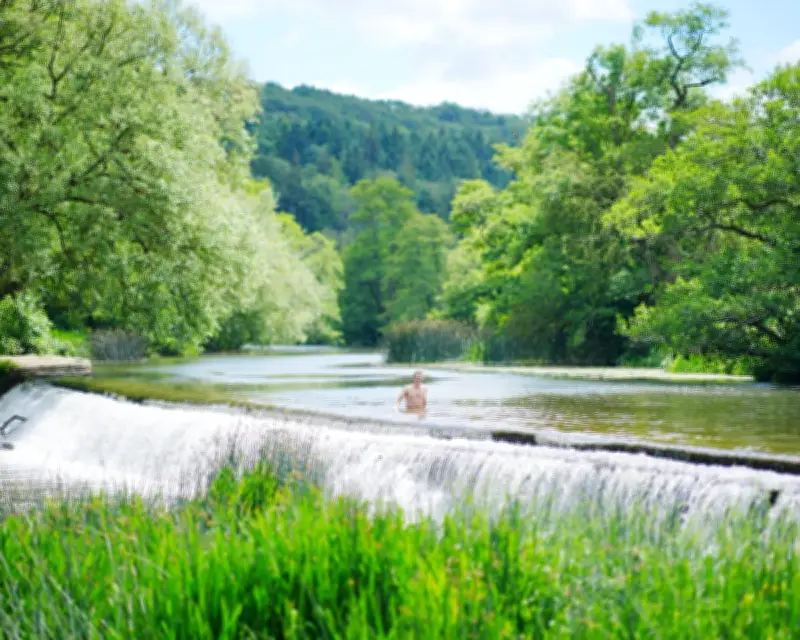
Wild swimming, the act of swimming in natural bodies of water such as lakes, rivers, and the sea, has seen a surge in popularity in recent years. Enthusiasts praise its physical and mental health benefits, including improved cardiovascular fitness, reduced stress, and a stronger connection to nature. However, the practice has also faced criticism from some quarters, citing safety concerns, environmental impact, and conflicts with other water users.
The Case for Wild Swimming
Proponents argue that wild swimming is a liberating and accessible way to engage with the outdoors. Unlike pool swimming, it offers ever-changing conditions that challenge the body and mind. The cold water immersion is believed to boost the immune system and increase endorphin levels, leading to a natural high. Moreover, wild swimming is often free, removing financial barriers to exercise.
Health Benefits
Studies have shown that regular cold water swimming can improve circulation, reduce inflammation, and alleviate symptoms of depression and anxiety. The natural environment also provides a sensory experience that can enhance mindfulness and overall well-being. Many wild swimmers report a sense of community and shared adventure, which further contributes to mental health.
Environmental Considerations
While concerns about trampling vegetation or disturbing wildlife are valid, responsible wild swimming minimizes impact. Swimmers are encouraged to choose established entry points, avoid sensitive habitats, and follow Leave No Trace principles. In fact, wild swimmers often become passionate advocates for clean waterways, supporting conservation efforts.
Addressing the Criticisms
Safety is a primary concern, but education and preparation can mitigate risks. Swimmers should check water quality, weather conditions, and their own abilities. Many organizations offer guidance on safe practices. Conflicts with other users, such as boaters or anglers, can be resolved through mutual respect and designated swimming areas.
Instead of condemning wild swimming, society should embrace it as a valuable outdoor pursuit. With proper management and respect for nature, wild swimming can enrich lives and foster a deeper appreciation for our natural heritage.