Warmer World to Transform Antarctica with Increased Rainfall
Warmer World to Bring More Rain to Antarctica

New scientific findings indicate that a warmer world is set to dramatically alter Antarctica, with increased rainfall predicted to become a significant feature of the continent's climate by the end of this century. This shift could have profound implications for the region's icy environment and its delicate ecosystems.

Climate Models Forecast Significant Changes

Recent studies, based on advanced climate modeling, suggest that as global temperatures continue to rise due to human-induced climate change, Antarctica will experience a notable increase in precipitation in the form of rain rather than snow. This transformation is expected to accelerate over the coming decades, with projections indicating that rainfall events could become more frequent and intense by 2100.

Impacts on Ice Sheets and Sea Levels

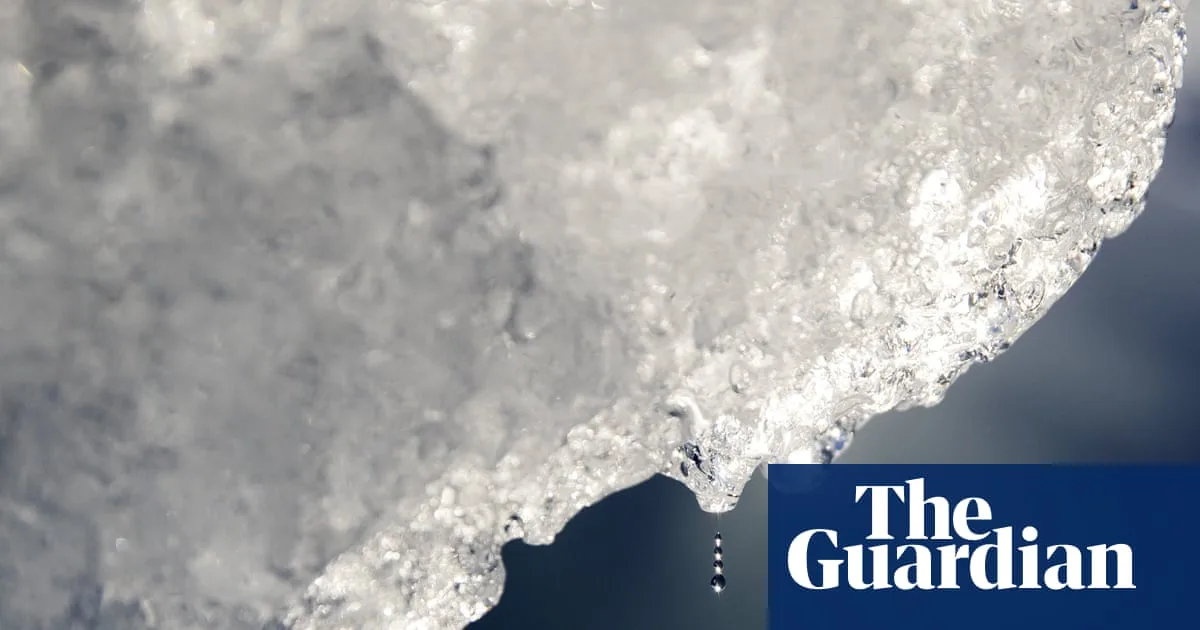
The shift from snow to rain poses serious risks to Antarctica's ice sheets. Rainfall can lead to surface melting and the lubrication of ice streams, potentially speeding up the flow of ice into the ocean. This process could contribute to rising sea levels worldwide, threatening coastal communities and ecosystems.

Moreover, increased rainfall may alter the albedo effect—where ice reflects sunlight—by darkening the surface with water, which absorbs more heat and further accelerates melting. This feedback loop could exacerbate the impacts of climate change in the region.

Ecosystem Disruption and Wildlife

Antarctica's unique ecosystems, adapted to extreme cold and dry conditions, face unprecedented challenges from these climatic changes. Species such as penguins, seals, and krill may struggle to adapt to wetter environments, affecting food chains and biodiversity.

For instance, penguin colonies that rely on stable ice for breeding could be disrupted by rain-induced melting, while changes in precipitation patterns might impact the availability of prey for marine animals.

Broader Implications for Global Climate

The transformation of Antarctica is not an isolated event but part of a larger global pattern of climate disruption. Changes in this remote continent can influence ocean currents and atmospheric circulation, potentially affecting weather systems across the planet.

Scientists emphasize that reducing greenhouse gas emissions is crucial to mitigate these effects. However, even with aggressive climate action, some level of change is now inevitable due to past emissions, highlighting the need for adaptation strategies.

Research and Monitoring Efforts

Ongoing research and monitoring are essential to better understand and predict these changes. International collaborations, such as those under the Antarctic Treaty System, are working to enhance data collection and share findings to inform policy decisions.

As the world warms, the fate of Antarctica serves as a stark reminder of the interconnectedness of global climate systems and the urgent need for concerted action to address climate change.




