
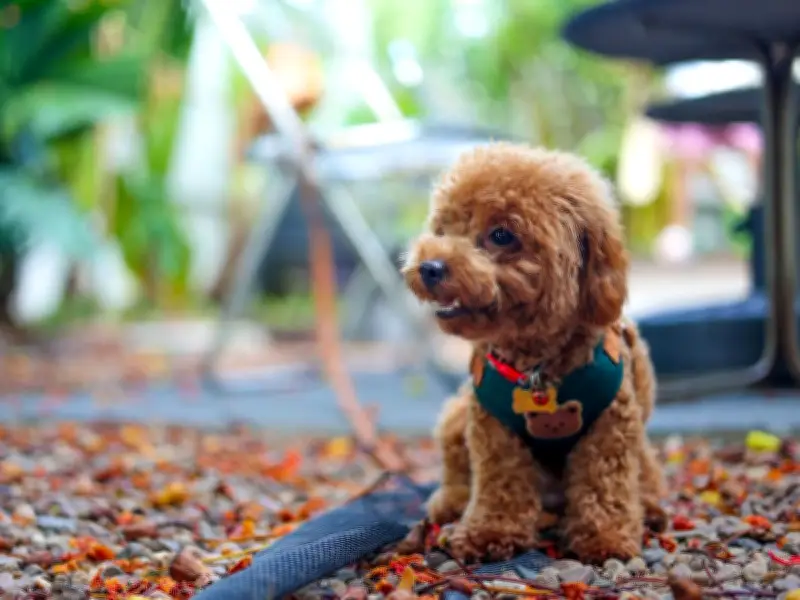
As the UK faces red weather warnings and soaring temperatures, a leading veterinarian has issued a critical warning about a common dog accessory that could endanger pets during the heatwave. Dr Kirsten Ronngren, lead vet at pet insurer ManyPets, advises owners to swap their dog's collar for a harness to prevent restricting their ability to pant, which is the primary way dogs regulate body temperature.
Why Collars Are Risky in Hot Weather
Dr Ronngren explained that when a lead pulls against a dog's collar, it presses on the airway, directly restricting panting. “Perhaps the least well-known tip on the list, and one I'd say pet parents of brachycephalic breeds and dogs that pull a lot with a regular lead need to hear,” she said. “Since panting is the main way dogs regulate their body temperature, anything that interrupts it in hot weather is a potential problem.” She recommends switching to a harness during a heatwave, and for dogs that pull, using a lighter mesh harness in warmer temperatures instead of a thicker winter one.
Timing Walks to Avoid Peak Heat
The sun's UV levels peak between 10am and 3pm, with highest air temperatures around 3-4pm, making early morning and late evening walks safest. Dr Ronngren also cautioned against strenuous exercise: “Owners who run with their dogs or throw balls repeatedly should ease back significantly during hot weather (and sometimes skip altogether if you can't get out at cooler times of day). Dogs, particularly young puppies, struggle to regulate their body temperature and will often keep going long past the point they should stop. It's an owner's responsibility to enforce safe limits for their pup.”
Check Pavement Temperature
Research from Admiral and the University of Leicester shows that tarmac can reach 50°C when air temperature is 25°C — above the scalding risk threshold for hot water. Yet only 43% of dog owners avoid walking on pavements, tarmac, and artificial grass in hot weather, according to Admiral. Dr Ronngren advised: “Before heading out, press the back of your hand against the ground for five to ten seconds. If it is too hot for you, it is too hot for your dog's paws. Pavements, roads and sand can all reach temperatures that cause burns in seconds. Sticking to grass and shaded paths wherever possible is the safest option.”
Never Leave a Dog in a Car
Dr Ronngren stressed: “This remains one of the most important reminders every summer, and every summer it still needs repeating. The temperature inside a parked car can double within minutes even on a moderately warm day, and cracking a window makes almost no difference. There is no errand quick enough to justify leaving a dog alone in a hot vehicle. If travelling with a dog, ensure your dog can join you on your stops or leave your dog at home.”




