
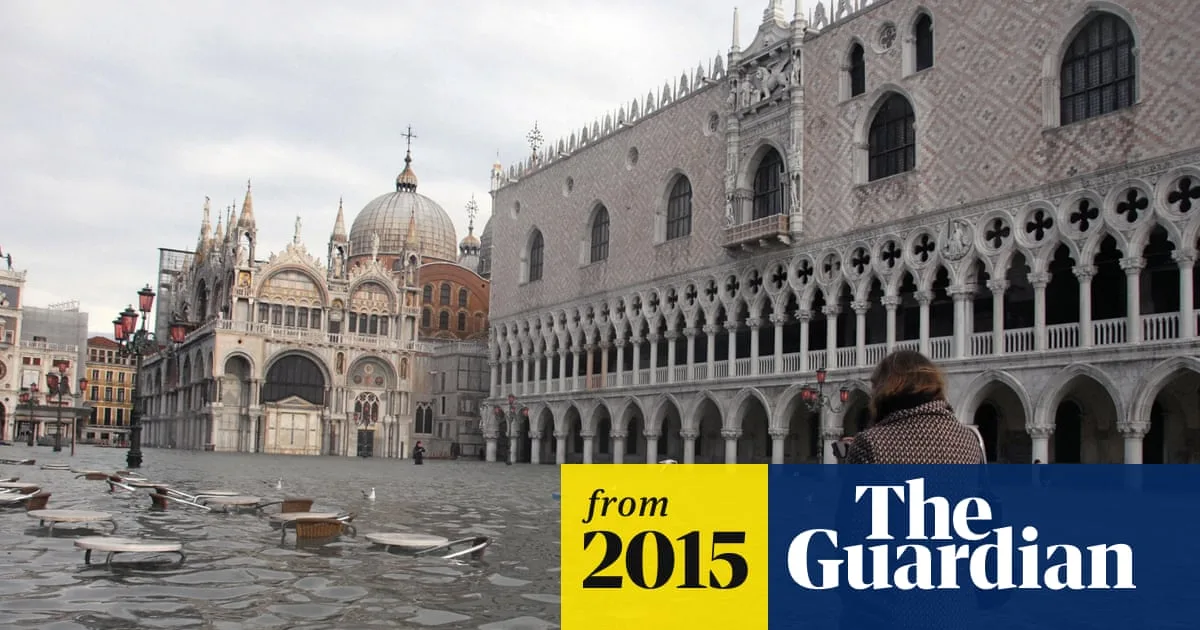
Venice is sinking into the lagoon while sea levels rise, and the delayed €5.4bn Mose flood barrier project faces an uphill battle against nature. Later this summer, the final stages of the project will begin as gates are installed in the three inlets of the Venetian lagoon. These gates will control water flow to mitigate the high tides, or acqua alta, that plague Venice each winter.
The Mose system operates similarly to London's Thames Barrier, thanks to knowledge sharing within the I-Storm flood-defence club. In the Mose control centre, nine staff have been simulating gate operations since 2011, using real-time data to predict tidal movements up to five days ahead. Manager Roberto Chiarlo notes, 'We know which angle to raise the gate to make it most efficient.'
The barriers can support a three-metre-high tide and protect Venice for a century. However, Chiarlo warns of conflicts between protection and economic activities: 'The commercial harbour will be impacted each time the barriers are lifted, and there would be thousands of dollars of electricity used.'
Environmental campaigners have criticised the project since its 1988 proposal, fearing biodiversity loss. Chiarlo rejects this, stating an impact assessment shows minimal effects as gates will only be raised for a few hours. Meanwhile, Matteo Bisol of Venissa vineyard on Mazzorbo island supports the barrier, recalling how the 1966 flood devastated lagoon agriculture. 'The Mose barrier will hopefully mean they will be protected in the future,' he says.
A cost-benefit analysis indicates the barriers will pay for themselves within 50 years through reduced flood damage costs. Paolo Canestrelli, director of the city's tide monitoring centre, highlights residents' resilience: 'For anyone who is not Venetian, it is always amazing to see how residents take the high tides in their stride.'




