Vehicle Exhaust Health Costs Hit $6.2bn Annually in Australia, Study Finds
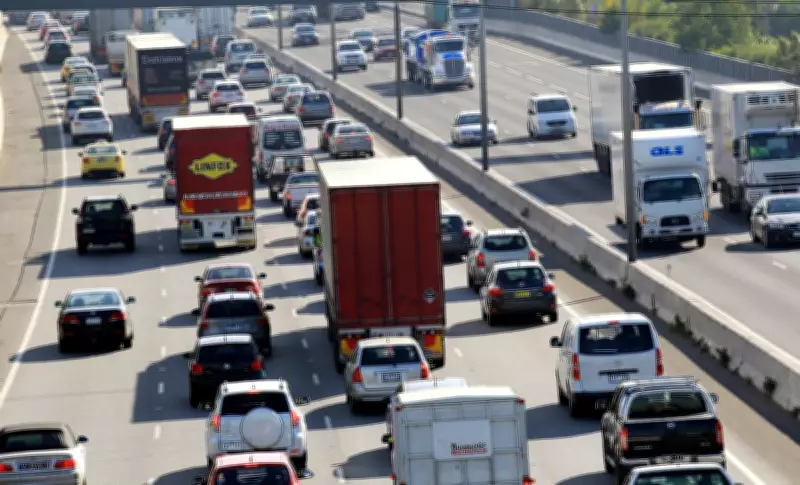
A groundbreaking study from the University of Melbourne has uncovered that the health effects of exposure to vehicle exhaust are costing Australians approximately $6.2 billion each year. The research highlights that proximity to truck routes significantly escalates these risks, with heavy diesel vehicles like trucks and buses contributing disproportionately to the pollution burden.
Health Impacts and Vulnerable Populations
According to Dr Clare Walter, the study author and a health and policy researcher, heavy vehicle exhaust comprises a toxic mixture of minuscule carbon particles and gases that induce inflammation when inhaled. This pollution is linked to a broad spectrum of respiratory, cardiac, and other health issues. Most Australians encounter traffic pollution daily, but those living, working, or attending schools near major truck routes face heightened dangers.
Children, elderly individuals, and disadvantaged communities are particularly susceptible. The report starkly illustrates this by describing children at a childcare centre near a major intersection as being exposed to pollution levels equivalent to smoking eight cigarettes per day. Laura Billings, a campaigner with Parents for Climate, expressed alarm, noting that parents are deeply concerned about the air quality in freight corridor areas, where relocating is often not feasible due to community ties.

Economic and Policy Implications
Researchers calculated the community costs, including premature mortality, hospital admissions, early-onset asthma, and lung cancer. Dr Walter emphasized that the $6.2bn annual figure represents only the "tip of the iceberg", as it accounts solely for the most severe health effects attributable to heavy vehicle exhaust. The study was conducted ahead of anticipated revisions to national heavy vehicle laws, urging policymakers to integrate health impacts into decision-making processes, an aspect previously overlooked.
The report advocates for several measures to mitigate these effects:
- Implementing mechanisms to phase out older, highly polluting trucks from roadways.
- Relocating trucks away from residential zones, educational institutions, and childcare centres.
- Shifting freight transport to rail systems to reduce road congestion and emissions.
- Accelerating the transition to electric and cleaner trucks and buses to curb pollution levels.
Personal Accounts and Community Concerns
Emily Buckley, a parent of two residing in Sydney's Maroubra Junction area, shared her distress over constant exposure to traffic fumes. Without a car, her family relies on walking, biking, and scootering, which increases their inhalation of pollutants. She lamented, "As a parent, you strive to provide the best environment for your children to thrive, but in such a heavily trafficked locale near major trucking routes, it feels like a failure."
The findings underscore air pollution as one of Australia's most significant environmental health risks, calling for immediate action to protect public health and reduce economic burdens.