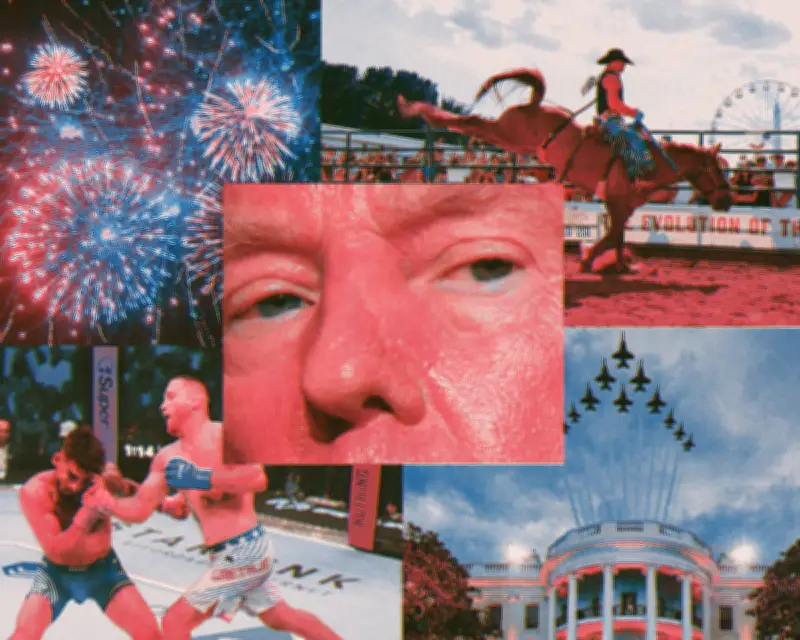
As the United States marks its 250th birthday on 4 July, the official celebrations spearheaded by President Donald Trump have sparked a counter-movement among communities striving to present a fuller, more inclusive narrative of the nation's past. The White House's Freedom 250 series, featuring mobile museums known as "Freedom Trucks" touring the country, has been criticized for focusing narrowly on white, male, Christian-centric heroes while omitting critical examination of race, slavery, and civil rights.
Erasing History at the President's House
In Philadelphia, where the Declaration of Independence was adopted in 1776, the President's House—home to George Washington during the 1790s—once displayed plaques acknowledging the nine enslaved people who worked there under conditions that circumvented Pennsylvania's Gradual Abolition Act. However, following Trump's executive order titled "Restoring Truth and Sanity to American History," the National Park Service removed these plaques in January. Local activists have since posted printed papers explaining the missing plaques' significance. Melissa Hellmann, senior reporter on the race and equity team for Guardian US, told the Guardian: "A lot of people just feel that's a slap in the face because for years activists fought to have those plaques displayed in the first place, and they say that the executive branch is basically ignoring this entire part of history that tells the full story of America."
Reclaiming the Narrative
This erasure has galvanized communities to reclaim their histories. The Gullah Geechee people, descendants of formerly enslaved individuals in the US southeast, are highlighting their ancestors' contributions to the American Revolution—fighting for a nation that denied them freedom. Princeton professor Eddie Glaude Jr described this as "active forgetting," stating: "What has to happen here in order to protect the innocence of the country? Black folks have to be disappeared. We have to be made to play minor parts in the story." Meanwhile, the Museum of Fine Arts in Boston is collaborating with Indigenous creators to interrogate symbols of nationhood, noting that the Mohawk Nation remembers George Washington as "Town Destroyer."
A Nation in a Pessimistic Mood
The 250th birthday arrives amid widespread discontent. According to a Pew Research Center poll, three in five Americans believe the country's best days are behind it, and seven-in-ten are dissatisfied with how democracy is working. Hellmann noted that the celebrations coincide with the ongoing war with Iran, which a majority of Americans believe has negatively affected national interests. Additionally, a record-setting heatwave has forced many events to be delayed or amended.
Backlash Against Rights Rollbacks
The anniversary also unfolds against a backdrop of significant rights rollbacks. The Supreme Court's conservative majority has gutted the Voting Rights Act, and the Trump administration has canceled Temporary Protected Status for Syrians and Haitians. Queer families in New York expressed dissonance celebrating amid severe curtailment of trans healthcare and heavy policing of Pride parades. However, Hellmann noted wins: "The Supreme Court upheld birthright citizenship on Tuesday," affirming that nearly all people born on US soil are citizens, though Trump threatened to abolish it through Congress. Politically, Democratic socialists saw victories in New York and Colorado primaries.
Quiet Determination Ahead
Despite the challenges, Hellmann emphasized a quiet determination to continue conversations beyond the holiday weekend, ensuring the full story of America is told, including parts the administration would rather omit. As tourists flock to national memorials, the grassroots efforts to restore erased histories persist, reflecting a nation grappling with its complex legacy.