Many careful gardeners don't know their gardens can carry a hazard that organic methods alone may not prevent: lead. Lead has no safe level of exposure and is present in the soil of some urban gardens. Sources include historical leaded gasoline emissions, deteriorating lead-based paint near older buildings, and industrial activities like mining. Fortunately, there are many simple and affordable ways to reduce lead exposure and make gardens safer.
How Lead Affects Us
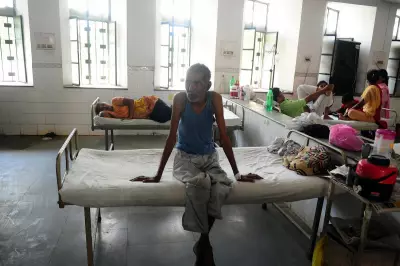
Lead has no function in the human body and is harmful in any concentration. Adults absorb around 3 to 10 per cent of ingested lead, while those fasting or malnourished may absorb up to 60 to 80 per cent. Children absorb up to 50 per cent, or up to 100 per cent on an empty stomach. Over time, exposure causes irreversible damage to the brain, nervous system, kidneys, and cardiovascular system. Globally, lead exposure is responsible for 1.5 million deaths and over 33 million years of healthy life lost annually.
Sources of Lead
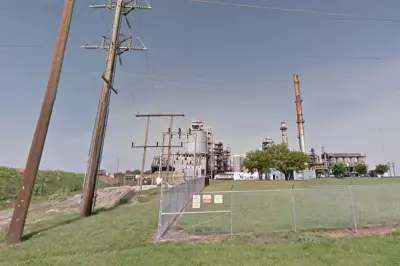
Lead occurs naturally, but most pollution results from human activity. Although leaded gasoline is banned globally, historical deposits remain because lead does not degrade. Lead-based paint is still widely used in many countries, contributing to health inequities. Low-income and racialized communities often face disproportionate exposure, an example of environmental injustice.

Why Gardening Still Matters
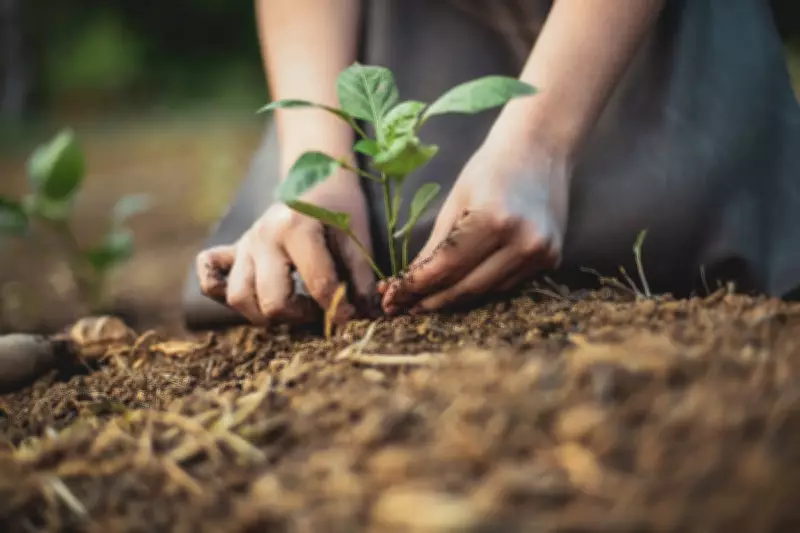
Despite the risk, gardens provide healthy food and numerous benefits. They enhance immune function, regulate endocrine responses, support emotional stability, and improve psychosocial behaviours, especially in children. For Indigenous Peoples and other groups, gardens contribute to cultural continuity. It is important not to let fear of lead undermine these benefits. Food safety concerns have been used to stereotype marginalized populations or justify displacing community gardens.
How to Make Your Garden Safer
- Position your garden away from busy roads, parking areas, railways, waterways, and industrial sites.
- Test your soil for lead by sending a sample to a lab.
- Use raised beds or pots with fresh soil if contamination is suspected.
- Add compost to prevent lead from moving into plants.
- Maintain soil pH using a pH meter; avoid acidic soil.
- Choose soil texture wisely: avoid sandy soils that allow lead movement. Red or yellow soils indicate iron oxides that bind lead; dark black soils have high organic matter that also protects.
- Apply mulch like wood chips to block airborne lead.
- Avoid burning waste near the garden.
- Prevent children from eating soil.
- Wash produce thoroughly before eating.
- Advocate for clean communities by contacting representatives or joining environmental causes.
For many families, a garden is a vital food source. Lead exposure is preventable with the right measures. By taking simple steps and holding governments accountable, we can enjoy safe, healthy urban gardens.