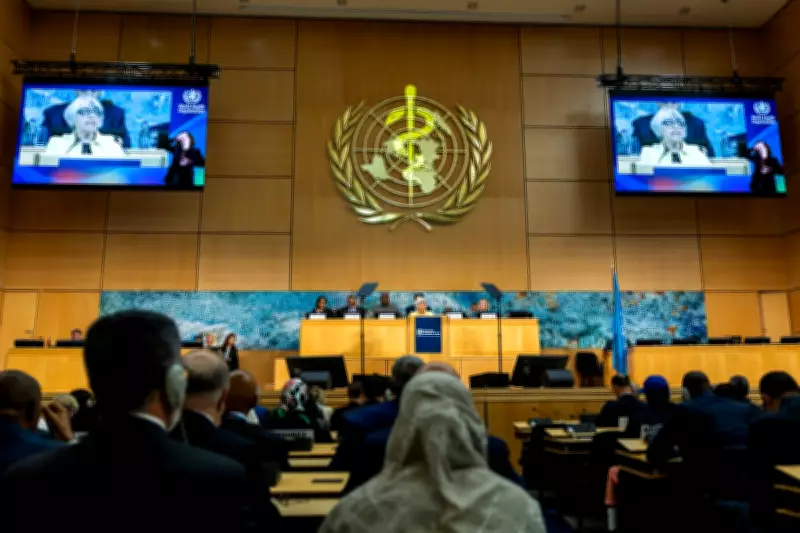
The United Nations General Assembly has voted overwhelmingly in favour of robust measures to combat climate change, despite concerted diplomatic efforts by the United States to have the resolution withdrawn. The vote, which took place on Wednesday, saw 141 nations support the nonbinding resolution, with eight opposing and 28 abstaining.
Resolution Endorses Landmark ICJ Opinion
The resolution endorses the advisory opinion issued by the International Court of Justice (ICJ) last July, which declared that failing to protect the planet from climate change constitutes a violation of international law. The text calls on nations to adopt national climate action plans aimed at limiting global temperature rise to below 1.5 degrees Celsius, phase out subsidies for fossil fuel exploration and production, and provide “full reparation” for damage caused by climate change.
US-Led Opposition Fails to Sway Majority
The United States, along with Russia, Iran, and Saudi Arabia—some of the world's largest oil producers and greenhouse gas emitters—voted against the measure. The Trump administration had previously urged other nations to press Vanuatu, the original sponsor of the draft, to withdraw it. In guidance issued to US embassies, the State Department stated it “strongly objects” to the proposal, warning it “could pose a major threat to U.S. industry.”

Deputy US Ambassador to the UN, Tammy Bruce, reiterated these concerns before the vote, calling the resolution “highly problematic” and noting that Washington maintains “serious legal and policy concerns” despite changes to the draft. “The resolution includes inappropriate political demands relating to fossil fuels and on other climate topics,” she told the assembly.
Island Nations Voice Urgent Need for Action
Representatives from Vanuatu and other small island nations, which face existential threats from rising sea levels, stressed the importance of the General Assembly backing the ICJ opinion. Odo Tevi, Vanuatu's ambassador to the UN, stated: “We should be honest with one another about why this matters. It matters because the harm is real and it is already here, along our islands and coast lines, for communities facing drought and failed harvests.” He added, “The states and peoples bearing the heaviest burden are very often those who contributed least to the problem.”
The resolution initially included stronger language from the ICJ opinion calling for an “International Register of Damage” to record evidence and claims, but this provision was removed after nearly a dozen consultations to garner broader support.
Decades of Frustration for Pacific Nations
The vote follows decades of frustration for Pacific nations witnessing their homelands disappear due to climate change. In Tuvalu, where the average elevation is just 2 metres (6.6 feet), more than a third of the population has applied for a climate migration visa to Australia. By 2100, much of the country is projected to be underwater at high tide. In Nauru, the government has begun selling passports to wealthy foreigners, offering visa-free access to dozens of countries, to generate revenue for potential relocation efforts.
The adoption of this resolution marks a significant step in international climate law, reinforcing the legal obligations of states to address the climate crisis.