
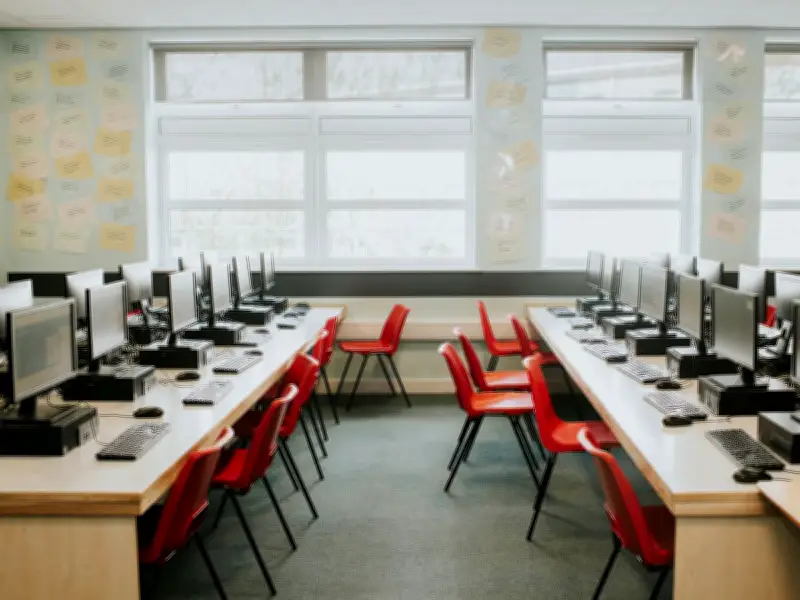
The Department for Education has issued urgent guidance to all schools in England as a rare 'heat dome' is expected to push temperatures to a record-breaking 40°C this week. The Met Office has issued a red extreme heat warning from 9am on Wednesday, June 24, until 9pm on Thursday, June 25, covering areas from London to Swansea and from Somerset to Birmingham.
Red Warning and Health Risks
The Met Office stated that red warnings are reserved for the most severe events, meaning this heatwave is expected to bring severe and significant impacts, including widespread health risks for many, not just those normally vulnerable to heat, and even danger to life. The UK Health Security Agency (UKHSA) has also issued a red heat-health alert for six regions of England.
In response, a number of schools across England and Wales announced they would close early or finish early on several days this week to protect pupils from the extreme heat. Some schools have also allowed children to wear PE kit instead of full school uniform, and after-school clubs have been cancelled.
Government Guidance
The Department for Education said on its website that 'during hot weather, we don't normally advise schools to close. This is because school attendance is the best way for pupils to learn and reach their potential, and hot weather can usually be managed safely.' However, it added that school leaders should take any steps necessary to ensure children are safe and comfortable, guided by heat-health alerts.
The updated guidance urges schools to consider relaxing uniform rules, encouraging pupils to wear loose, light-coloured clothing and allowing them to remove blazers and jumpers. Children should also wear wide-brimmed sun hats, use high-factor sunscreen, and stay in shaded areas whenever possible.
Physical Activity and Classroom Measures
The Department of Health and Social Care recommends that children should not take part in vigorous physical activity on very hot days. Schools are advised to adapt lessons for hot weather, opting for sedentary activities when appropriate. Other measures include opening windows and doors early in the morning to improve ventilation, closing blinds and curtains during the hottest parts of the day, switching off unnecessary electrical equipment, and ensuring pupils drink more water than usual.
Recognising Heat-Related Illness
Teachers and staff have been told to watch for signs of heat-related illness among pupils. Symptoms of heat exhaustion include tiredness, dizziness, headaches, nausea, vomiting, and excessive sweating. Children showing these signs should be moved to a cool area, encouraged to drink water, and cooled down as quickly as possible. The UKHSA warned that heat exhaustion can develop into heatstroke, a medical emergency with symptoms such as confusion, seizures, loss of consciousness, a body temperature of 40°C or above, rapid breathing, and a fast heartbeat. Anyone suspected of suffering heatstroke should call 999 immediately.
School Leaders' Response
The National Association of Head Teachers (NAHT) has written to members with guidance on managing extreme temperatures. NAHT general secretary Paul Whiteman said: 'While there is no legal 'upper limit' for temperature in schools, school leaders will certainly be doing all they can to mitigate the effects of such high temperatures.'




