
Experts warn that pre-rinsing dishes before loading them into the dishwasher is one of several common mistakes that can waste both water and energy. With energy bills remaining a concern for many UK households, people continue to search for straightforward ways to reduce everyday household expenses.
According to the UK Parliament's High Cost of Living: Impact on Households research briefing, 61% of adults in Great Britain reported their cost of living rose in November 2025 compared with the previous month. Amongst those impacted, 68% cited increasing gas and electricity prices as a key contributor.
Dishwashers can save water and energy
One straightforward approach to lowering both energy and water consumption at home is using a dishwasher rather than washing dishes manually. When operated properly, dishwashers can save time and water, while providing hygienic cleaning outcomes.
Salah Sun, Head of Product Management at Beko, explains: "Dishwashers are designed to clean dishes and glasses hygienically while helping to save time and water. However, some everyday habits can make them less efficient and increase running costs."
Common dishwasher mistakes to avoid
It's commonplace to rinse plates under the tap before putting them in the dishwasher, but this can squander both water and time. In fact, it may also impact how effectively your dishwasher cleans.
Sun explains: "Many modern dishwashers use soil sensors to detect how dirty the dishes are and adjust the programme accordingly. If items are already very clean, the appliance may run a shorter, less intensive cycle than needed." Instead of rinsing dishes in advance, simply remove larger food remnants before placing them inside.
Loading and programme tips
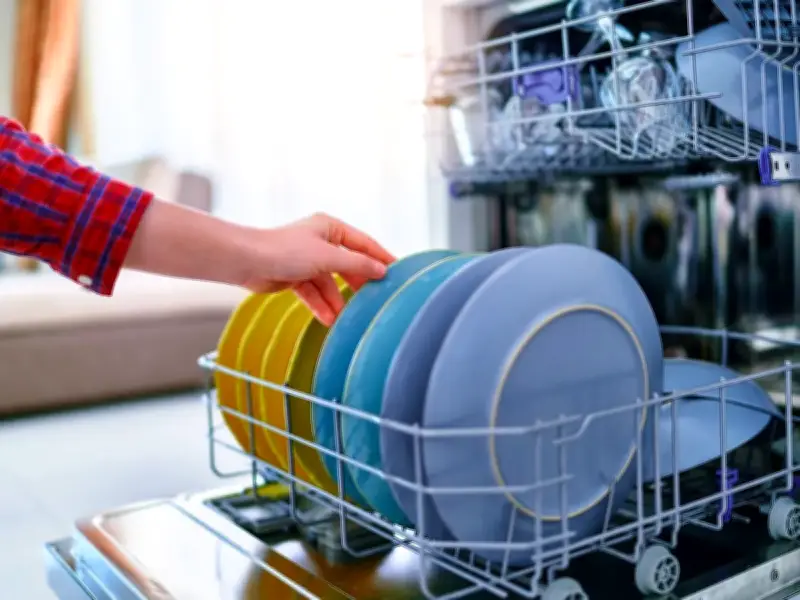
If crockery emerges dirty after a cycle, the way the dishwasher is loaded may be to blame. Inadequate loading can stop water and detergent from reaching every surface, potentially requiring you to run a second cycle. To help your dishwasher operate effectively, position dishes so they are stable and not touching each other, angle deeper plates so water can run off them easily, place larger and heavily soiled items on the bottom rack, use the top rack for glasses and cups, and arrange cutlery so some items face up and others down.
Sun adds: "Overloading your dishwasher can prevent water and detergent from circulating properly. It can also cause items to knock together during the cycle, which may lead to chips or scratches."
For optimal efficiency, it's generally advisable to run your dishwasher when it's full. Operating cycles with just a handful of items can consume more energy and water than required. Sun explains: "If you only have a small number of dishes to wash, a half-load programme can be a helpful option." Depending on the appliance, half-load settings can cut water and energy usage by approximately 10–25%, while eco modes are engineered to deliver an effective clean for routine loads.
Maintenance matters
Like numerous appliances, dishwashers perform optimally when they receive proper maintenance. Over time, food debris and grease can accumulate in the filter. Sun advises: "To keep your dishwasher working at its best, it's important to clean the filter regularly. We recommend checking and cleaning it at least once a week, or whenever it becomes clogged."
Straightforward practices, such as skipping pre-rinsing, loading your dishwasher properly, and utilising the Eco setting where feasible, can help boost efficiency and decrease energy and water consumption.




