
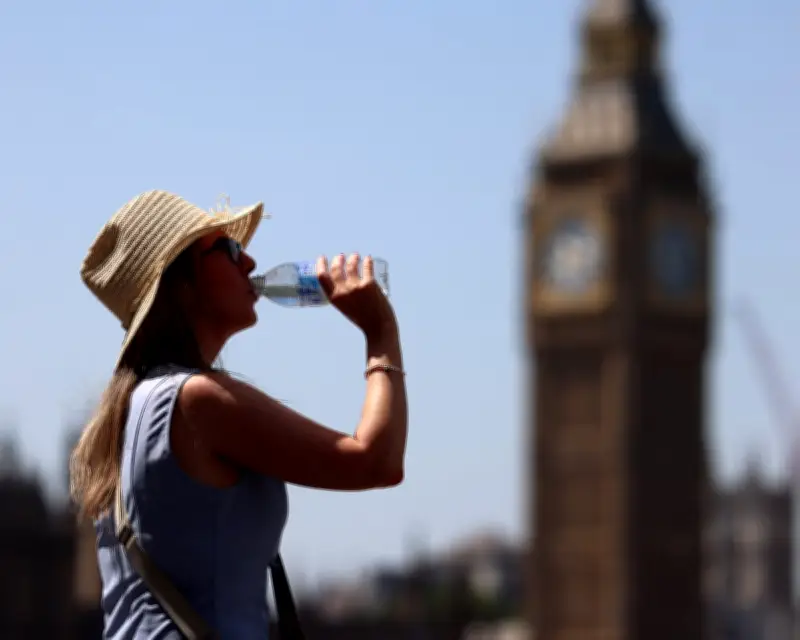
Emergency measures have been implemented across the United Kingdom as an unprecedented heatwave pushes temperatures above 40°C for the first time on record. The Met Office issued a red extreme heat warning for large parts of England, urging people to stay indoors and avoid travel unless absolutely necessary.
Health Services Under Strain
NHS England reported a surge in heat-related admissions, with hospitals treating hundreds of patients for heatstroke, dehydration, and respiratory issues. The UK Health Security Agency raised its heat-health alert to level 4, indicating a national emergency. Ambulance services faced record call volumes, with London Ambulance Service receiving over 8,000 calls in a single day, a 40% increase compared to normal summer days.
Transport Disruptions
Network Rail imposed speed restrictions across most of the country, causing widespread delays and cancellations. Train services were reduced by up to 50% on some routes, and passengers were advised to travel only if essential. London Underground suspended services on several lines due to overheating tracks and power failures. Major roads saw surface melting, with the M25 and M1 experiencing multiple lane closures. Airports, including Heathrow and Gatwick, warned of delays as runway temperatures exceeded safe operating limits for some aircraft.
Schools and Workplaces Affected
Thousands of schools closed early or shut completely, affecting an estimated 2 million children. The Department for Education advised headteachers to use their discretion, but many opted to send pupils home as classrooms became dangerously hot. Some businesses allowed staff to work from home, while construction sites halted outdoor work during peak heat hours. The Trades Union Congress called for mandatory maximum workplace temperatures, stating that current guidance is insufficient.
Government Response
Prime Minister Rishi Sunak chaired an emergency COBRA meeting to coordinate the response. The government activated the Cobra emergency committee and deployed cooling centres in major cities. Local authorities opened public buildings such as libraries and community centres as cooling shelters. The Environment Agency warned of potential water shortages as demand surged, with some areas experiencing low water pressure.
Climate Change Link
Scientists at the Met Office attributed the extreme heat to climate change, stating that such events are now 10 times more likely than in the pre-industrial era. Professor Peter Stott, a climate attribution expert, said: "This heatwave is a stark reminder that climate change is not a future problem—it is here now, and we must adapt." Environmental groups urged the government to accelerate net-zero targets and invest in heat-resilient infrastructure.
Public Advice
Health officials advised the public to stay hydrated, avoid alcohol, and check on vulnerable neighbours. The NHS recommended keeping curtains closed during the day and using fans or cool baths to lower body temperature. The red warning is expected to remain in force until Thursday, with temperatures forecast to drop slightly but remain well above average.




