The Paradox of UK Environmental Protection
The urgency of safeguarding Britain's natural heritage is undeniable. One in six species faces extinction, flowering plants have declined by over half since 1970, and hedgehog numbers have plummeted from 30 million to under a million. Yet, the legislative measures intended to protect nature often backfire, obstructing the very green projects needed to combat climate change and habitat destruction.
Green Infrastructure Blocked by Red Tape
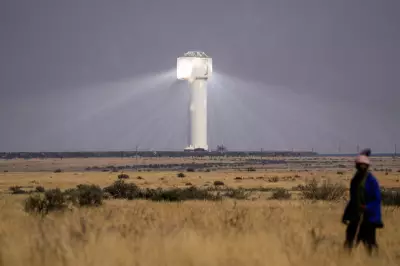
Current environmental laws frequently target construction projects like wind turbines, solar farms, railways, and nuclear power plants, making them more expensive, slower to build, or even impossible. These are precisely the types of green infrastructure essential for reducing fossil fuel reliance, which is a major cause of habitat loss on a massive scale. Transitioning to clean electricity is critical to avoid worsening the cost of living crisis and preventing an anti-green backlash, but building delays undermine this goal.
These well-meaning regulations not only hinder necessary development but also fail to effectively conserve wildlife. Funds allocated for compliance could be better spent on transformative conservation efforts. For instance, HS2's £100 million bat shed, designed to protect 300 rare bats, could instead create 4,500 hectares of new woodland with fair compensation for landowners. Similarly, a £180,000 grant for a bat colony in Devon safeguarded over 1,100 bats, showcasing more cost-effective approaches.

Root Causes of Nature Loss Ignored
The inflexibility of environmental laws stems from their focus on preventing specific harms from developments, assuming building is a primary driver of nature loss. However, less than 6% of Britain is built-up, and even ambitious housing plans would only marginally increase this. In contrast, nearly two-thirds of land is used for agriculture, which has a far greater impact on biodiversity.
For example, sheep grazing strips natural foliage, but paying farmers to plant trees can quickly restore wildlife. In the Howgill Fells, fencing off 26 hectares and planting trees at a cost of £25,600 annually revived butterflies, bluebells, and bird species. Meanwhile, an offshore windfarm plans to spend £170 million protecting seabirds, yet mitigation measures do not address the root causes of their decline, such as rising sea temperatures and overfishing.
Broken System: The Hinkley Point C Case
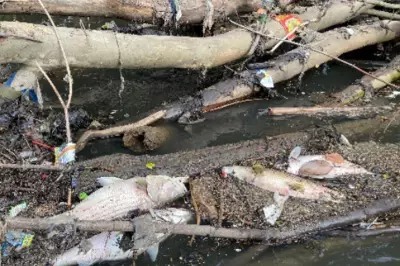
The Hinkley Point C nuclear plant in Somerset exemplifies a broken regulatory system. To protect marine life, developers are spending over £700 million on measures like underwater noise deterrents, costing £250,000 per fish saved. This contrasts sharply with a project that removed a weir for migratory fish at a fraction of the cost, highlighting how current laws prioritize compliance over genuine habitat restoration.
Delays and expenses from environmental assessments and permits also have indirect impacts, making clean energy more costly and less attractive to consumers. This undermines efforts to promote electric vehicles and heat pumps, further harming environmental goals.
Rethinking Environmental Protections
It is tempting to resist any perceived weakening of environmental safeguards, but if the protections themselves are ineffective, they become part of the problem. A shift towards goal-oriented regulations that fund habitat restoration could deliver thousands of times more benefit for nature. By focusing on what truly works, such as supporting agricultural changes and cost-effective conservation, Britain can better protect its environment while enabling essential green development.