
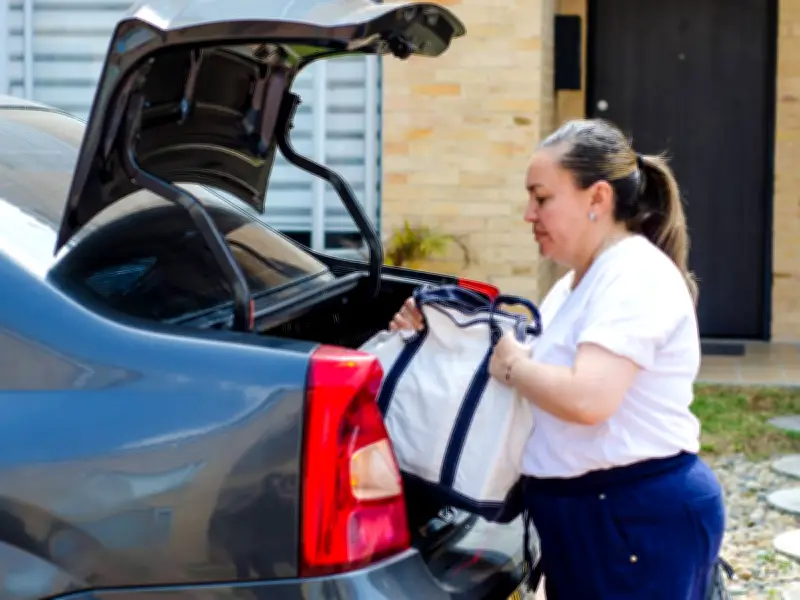
Motorists are being urged to remove certain items from parked cars as temperatures are forecast to soar to 30C and beyond in the coming days. Stationary vehicles can warm up rapidly, exposing anything left inside to harsh conditions that can degrade medications and cause other hazards.
According to the latest Met Office UK forecasts, temperatures are expected to climb steadily, with southern England potentially reaching 30C by Wednesday. Some areas in the south and southeast could hit 33C on Wednesday and 34C on Thursday. The Met Office has also warned of a "long-lasting UK marine heatwave" that it says is "likely to reach extreme levels" this week, adding: "This is the third and most intense marine heatwave we have seen this year."
Everyday Items That Pose Risks in Hot Cars
Common items many drivers routinely leave in door pockets, the boot, and glove compartments include medications, aerosol containers, carbonated drinks, mobile phones, and battery-operated devices. Many products deteriorate when subjected to high temperatures, with medicines being a prime example, reports the Express.
Official guidance on hot weather cautions that small, enclosed spaces such as parked vehicles can warm up extremely quickly. It advises that babies, children, elderly people, and pets should never be left unattended in cars or other confined spaces. Health experts have compiled a checklist for motorists, urging them to remove all medicines from their vehicles before hot weather sets in.
Why Heat Damages Medication
Understanding how heat affects medication is crucial for wellbeing. If medicines get too warm, they may not work properly, which can be extremely dangerous. Rhysa Phommachanh, Health Specialist at Landys Chemist, identifies eight common medications affected during the heatwave:
- Insulin: Can become less effective at high temperatures, as heat degrades it and reduces its ability to control blood sugar levels.
- EpiPens (adrenaline auto-injectors): Can become less stable if stored above the recommended temperature of 25°C, potentially reducing the reliability of the dose in a life-threatening allergic reaction.
- Inhalers (asthma medication): Can be affected by heat because pressure changes inside the canister may alter how the medication is released, potentially reducing dosing accuracy.
- Diuretics (water tablets): Those taking water tablets may experience increased urine output and fluid loss, which can trigger dehydration more rapidly in hot weather and make it harder for the body to maintain normal temperature balance.
- Antihistamines: Can have a drying effect on the body and may reduce sweating, limiting the body's ability to cool itself effectively in high temperatures.
- Antidepressants: Certain antidepressants can disrupt the brain's ability to regulate body temperature and sweating, heightening the risk of overheating or heat exhaustion.
- Antibiotics: Some antibiotics can trigger photosensitivity, causing the skin to react more severely to UV light and raising the risk of sunburn.
- Acne treatments: Acne treatments, including retinoids, can thin or sensitise the outer layer of skin, leaving it more susceptible to UV damage and sunburn in strong sunlight.
Rhysa said: "Most medications should be stored in a cool, dry place. Exposing them to high temperatures in parked cars, direct sunlight, or humid bathrooms can cause them to degrade and fail to work properly. Always check your patient information leaflet for specific storage instructions, stay well hydrated, apply high-factor sunscreen, and definitely speak to a pharmacist if your medicine changes colour, smell, or texture."
Always keep medication stored in a cool spot to ensure it stays effective — most require temperatures below 25°C or refrigeration. A statement on automotive retail group Dick Lovett's website reads: "If they aren't stored at the right temperature, medicine can lose its effectiveness, break down chemically, and even become dangerous. EpiPens, for example, can misfire or fail to deliver a full dose if exposed to heat. As such, always carry your medications with you, ideally in a small insulated pouch, and never leave them in a parked car."
Other Items to Avoid Leaving in Your Car
Aerosol products such as deodorants, hairspray, and similar sprays should be kept out of your vehicle, as pressure can build dangerously in hot weather. Devices like mobile phones and portable chargers that use lithium-ion batteries pose serious risks in extreme heat, potentially damaging the batteries and increasing the risk of fire if one fails.
Vaping devices and e-liquids should be kept away from heat and direct sunlight, as rechargeable batteries and liquids can be seriously affected by high temperatures. Fizzy drinks can also cause problems, as heat causes the contents to expand, leading to cans or bottles bursting or spraying when opened.
Sunscreen is just as susceptible to heat; lengthy exposure can change its consistency and cause it to leak, meaning you may not get the level of protection you need. When picking up your weekly shop, particularly chilled or perishable items, it's vital to remember that a scorching-hot vehicle can quickly push food temperatures to dangerous levels.




