
UK Heatwave: Temperatures Could Reach 39C
The United Kingdom is currently experiencing a severe heatwave, with the Met Office forecasting temperatures that could climb to 38C or even 39C. This week, a rare red warning for extreme heat has been issued, as record-breaking June temperatures approach 35C. The existing June record, set during the blistering summer of 1976, stands at 35.6C in Southampton on 28 June. Severe weather alerts have been declared for England and Wales, with predictions of extreme heat continuing into today and tomorrow.
The Summer of 1976: A Historical Benchmark
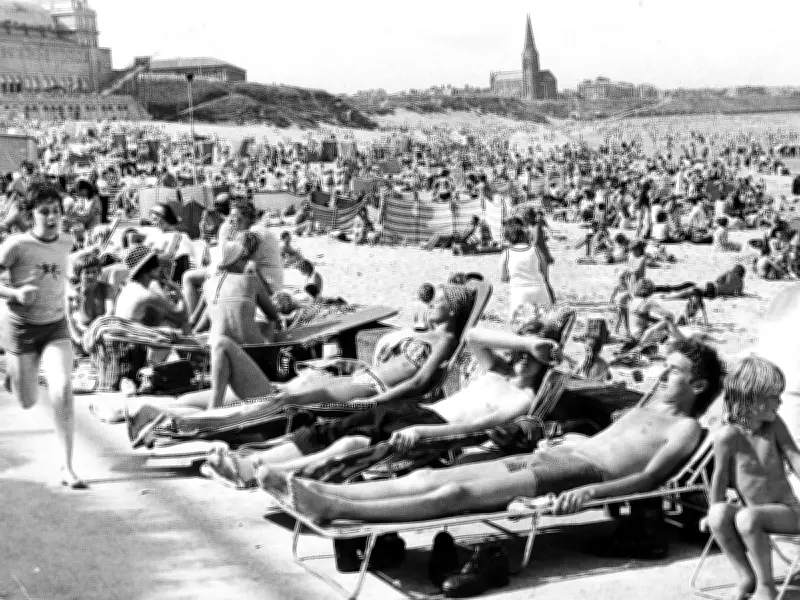
The summer of 1976 remains the most iconic heatwave in British history. On 1 May 1976, the Daily Mirror cautioned, 'Don't cast a clout till May is out,' relaying meteorologists' predictions of rain and below-average temperatures. Within days, an unexpected temperature surge caught everyone unawares, beginning an extraordinary summer. The subsequent week saw temperatures climb to an unprecedented 82F (28C on the then-novel Celsius scale), and newspapers began discussing water rationing. Labour's local government minister John Silkin declared, "This is not a national drought. Nor is there any danger of that at all."
Yet the mercury continued its ascent until 22 June, when it surpassed 30C and remained elevated for almost three weeks. Ten weeks of relentless heat brought drought, water rationing, and widespread standpipe usage. The UK registered its highest temperature in over 350 years and its most arid summer on record. Certain regions experienced 45 consecutive days without rainfall. Every sweltering summer since has been measured against the heatwave of 1976.
Social and Economic Impact
The Chronicle reported in July how "hundreds of adults and children have been flocking to seek hospital treatment for sunburn and sunstroke." Workplace productivity declined, and absenteeism "encouraged by the blue skies" increased. Advice to "cover up and drink up" was issued. Newcastle ice cream firm Mark Reay took on extra staff and upped orders to cope with rocketing demand for ice cream and lollies.
As the drought intensified, stringent hosepipe restrictions were enforced across most areas. Householders were urged to alert authorities if neighbors used water unnecessarily. Indoors, the relentless heat triggered a surge in domestic violence. Metropolitan Police officers responded to 600 more daily calls regarding domestic disturbances than usual. Outside, violence and vandalism escalated, workplace tensions mounted, and racial hostilities culminated in the Notting Hill riots, leaving more than 100 officers requiring hospital treatment.
Record Temperatures and Health Crisis
The unrelenting heat, driven partly by scorching air from the Mediterranean, culminated in a record-breaking temperature on 3 July, when the thermometer reached 96.6F (35.6C) in Cheltenham. The UK saw a 20 per cent year-on-year rise in "excess deaths" that summer, alongside a dramatic surge in hospital admissions linked to sunstroke and heat-induced heart attacks.
The sweltering conditions even halted the murder trial of notorious killer Donald Neilson, known as the Black Panther, after a woman in the public gallery collapsed from heat exhaustion. At Wimbledon, Bjorn Borg claimed the first of his five titles, while 400 spectators required treatment for heat-related illness in a single day. Umpires were permitted to remove their jackets for the first time in living memory.
Infrastructure and Wildlife
Temperatures aboard London Underground trains became so unbearable that passengers smashed carriage windows. A biblical-scale infestation of 24 billion ladybirds descended upon the country, compelled to seek alternative sustenance after the drought decimated their usual aphid prey. "You couldn't walk along the pavement without crushing them," recalled John Silkin. "Ruislip Lido was smothered too, making for a deeply unpleasant swim. There were even reports of starving ladybirds biting people."
Trains burst into flames, motorways buckled, and roads were strewn with overheated vehicles. Reservoirs and rivers ran dry, fish perished in thousands, and wildfires tore through Epping Forest and Bellerby Moor. On 5 August, Big Ben ground to a halt for the first time in its history due to metal fatigue from the heat, falling silent for three weeks.
Government Response and Cultural Legacy
The Drought Act came into effect, with Birmingham MP Denis Howell appointed as minister for drought. He disclosed that he and his wife Brenda had resorted to sharing baths to conserve water. "Save water - bath with a friend" became a tongue-in-cheek slogan, despite regulations stipulating baths with no more than five inches of water. In Wales, mains water supply was cut off for up to 17 hours a day. Standpipes were erected in streets, each shared among 20 households.
Many attribute the prolonged summer to the genesis of punk rock, spearheaded by the Sex Pistols, The Ramones, and The Clash. Ultimately, the heatwave broke with severe thunderstorms in late August, continuing into a sodden September and October, leading Lord Howell to be redesignated as minister for floods.
Since then, subsequent heatwaves have reached higher temperatures, notably in 2022 when an all-time record of 40.3C was recorded. Yet for those who experienced it, the legendary summer of 1976 remains the most powerfully remembered.




