Superbug-Creating Genes Discovered in Lough Neagh, UK's Largest Lake
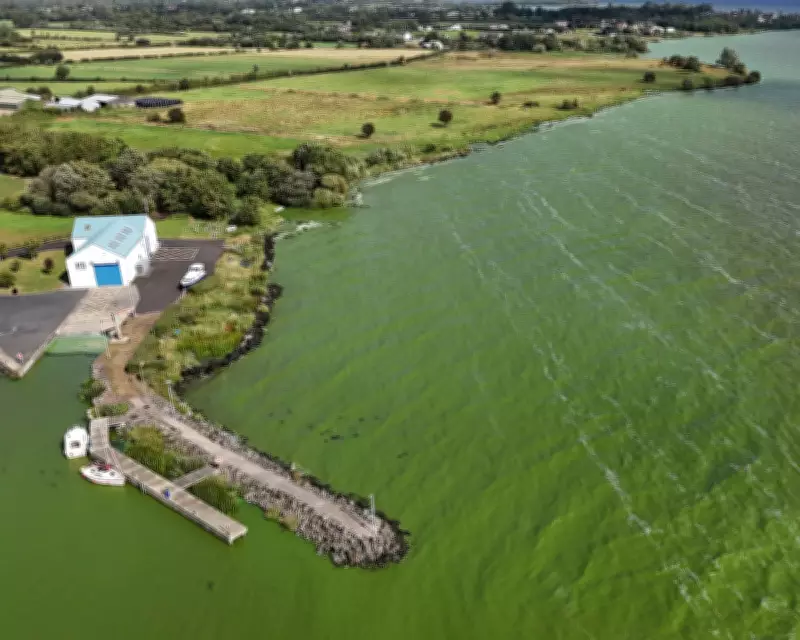
Genes capable of producing antibiotic-resistant superbugs have been identified in Lough Neagh, the United Kingdom's largest lake, which provides drinking water to approximately 40% of Northern Ireland's population. This alarming discovery was made through water testing conducted by Watershed Investigations and the Guardian, revealing resistance to a broad spectrum of antibiotics, including carbapenems—drugs reserved as a last resort for life-threatening infections when other treatments fail.
Widespread Resistance and Health Implications
The samples from Lough Neagh, with a surface area 26 times larger than Windermere, contained genes resistant to multiple antibiotic classes, such as penicillins, quinolones, macrolides, aminoglycosides, cephalosporins, and tetracycline, the latter commonly used in livestock. Professor Will Gaze, a microbiology expert at the University of Exeter, emphasized the severity, stating, "Carbapenems are known as the last-line-of-defence antibiotics. If pathogens resist them, they're resistant to many others too."
Even designated bathing areas in the lough were affected, with Gaze noting that swallowing just 30ml of water could expose swimmers to carbapenem-resistance genes, though the impact on gut microbiomes or infection risks remains uncertain. This finding coincides with rising global deaths from antibiotic-resistant infections, with nearly 400 cases reported weekly in England and an estimated 2,379 deaths in 2024, according to UK Health Security Agency data.

Pollution Sources and Environmental Crisis
The presence of resistance genes is linked to sewage and livestock slurry pollution, which create ideal conditions for superbugs by flushing pathogens, antibiotic residues, and resistant bacteria into waterways. Markers of human, cow, and pig faeces were detected in the water, exacerbating the issue. Northern Ireland's Department of Agriculture, Environment and Rural Affairs (Daera) minister, Andrew Muir, reported over 20 million tonnes of untreated sewage spills annually into waterways, with about 30% of Northern Ireland Water's storm overflows discharging raw sewage directly or indirectly into Lough Neagh.
A water industry expert warned that monitoring gaps, particularly at wastewater treatment outfalls, mean more raw sewage enters lakes and rivers than estimated, describing the situation as "40% of Northern Ireland drinking water from a fetid pond filled with bacteria." Professor Davey Jones from Bangor University highlighted that treated sewage still poses risks, with antimicrobial resistance (AMR) genes continuously pumped out, labeling sewer networks as "a mega-network of an epic breeding ground" for resistant microbes.
Governance Failures and Political Obstacles
Progress in addressing the crisis is hindered by governance issues. The Office for Environmental Protection found Northern Ireland lacks an independent environmental regulator, and a Daera source cited collapsed morale within the Northern Ireland Environment Agency, with restrictions on prosecuting agriculture or Northern Ireland Water. Minister Muir attempted to establish an independent regulator, but the proposal was blocked at Stormont by the Democratic Unionist party (DUP), allegedly due to agricultural influence.
Northern Ireland Water acknowledged "decades of underinvestment," leading to limited upgrade scope and prioritizing drinking water over wastewater improvements. The company is now installing monitoring equipment and setting stringent pollution targets, but a "permanent, sustainable investment plan" is needed to close funding gaps.
Agricultural Impact and Global Context
Livestock slurry runoff from farmland further fuels toxic algal blooms and flushes antibiotics into Lough Neagh. Since 2013, intensive agriculture policies have increased pig numbers from 517,075 to 744,643 and poultry from 19.5 million to 25.8 million in Northern Ireland, with approximately 1.6 million cattle and 1.8 million sheep. Jones described cattle as "pathogen bioreactors on four legs," advocating for better farming practices like fencing off streams and timing slurry spreading appropriately.

The World Health Organization (WHO) warns that antimicrobial resistance is "one of the most urgent, complex and frightening health challenges of our time," with drug-resistant infections potentially claiming 39 million lives globally by 2050 and imposing an annual economic burden up to $412 billion. In the UK, antibiotic use in primary care rose 10.7% from 2019 to 2024, with Northern Ireland having the highest prescribing rate.
Calls for Action and Future Steps
Ruth Chambers of Green Alliance called for fast-tracking an independent environmental protection agency, while Natalie Sims from the Royal Society of Chemistry warned the UK risks falling behind EU regulations requiring AMR monitoring in wastewater. Muir emphasized plans for more testing and the Lough Neagh action plan, stating, "Restoring and protecting the ecological health of Lough Neagh cannot be overstated." Without urgent intervention, the lake's ecological disaster threatens both public health and environmental sustainability.