
State and territory disability ministers have raised serious concerns about the Albanese government's proposed overhaul of the National Disability Insurance Scheme (NDIS), warning they cannot deliver "like-for-like services" for more than 200,000 participants expected to be removed from the scheme by 2031.
Opposition Criticizes Timeline
The opposition, which strongly supports making the scheme more financially sustainable, has also criticized the swift timeline for the proposed changes. Shadow NDIS minister Melissa McIntosh stated, "we cannot forget that there are human lives at the other end."
The Albanese government's NDIS bill aims to curb the growth of the AUD 50 billion annual scheme by reducing budgets and limiting access from 2028. The legislation is currently under scrutiny by a Labor-led Senate committee, which is expected to deliver recommendations next week.
States and Territories Voice Concerns
In a joint submission to the NDIS inquiry, states and territories agreed that curbing the scheme's growth is important but warned that this goal should not take priority over participant safety, wellbeing, and life outcomes. Disability ministers stated they had not been "meaningfully consulted" on the changes and expressed concerns about unilateral powers granted to the federal NDIS minister, which they said signaled a shift away from shared governance.
Department modeling indicates that more than 240,000 participants will be moved off the NDIS in the four years following the introduction of new eligibility rules in 2028. The ministers criticized the lack of "clearly defined alternative supports," warning of the risk of unmet need and cost-shifting to state and territory systems such as health, education, and justice, which are not equipped for increased demand.
"Without a careful, coordinated approach that aligns these changes with broader improvements across the disability support system, there is a significant risk that people with disability will end up in hospitals or other inappropriate settings, or have no access to services at all," the submission said. "States and territories are not in a position, and have made no agreement, to deliver like-for-like services to people who are exited from the NDIS."
Concerns Over Budget Cuts
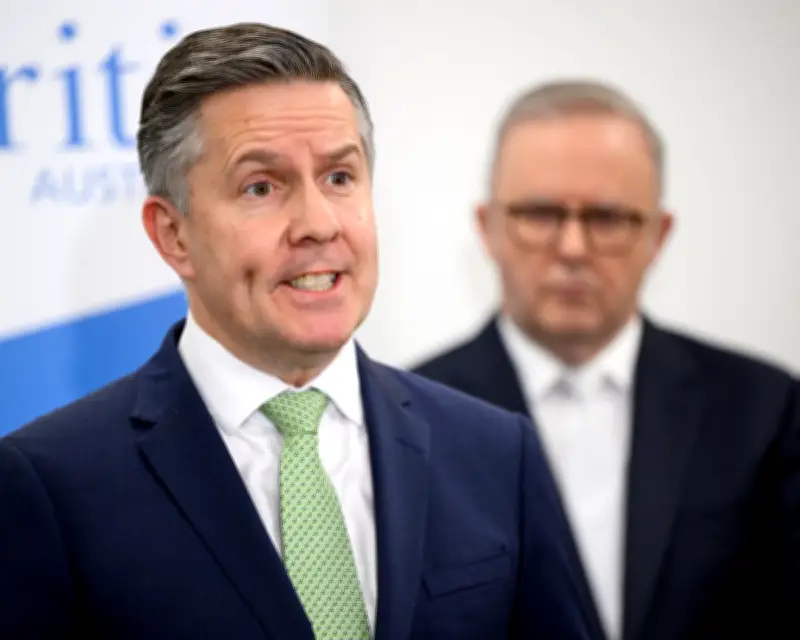
The Senate inquiry has been told that planned 50% cuts to social and community participation budgets would increase isolation, segregation, and create "unsafe situations" for NDIS participants. Federal Health Minister Mark Butler refused to comment on whether the government would reconsider the scale of the cuts. "The plan that I announced many weeks ago now ... was a very well-developed plan that thought carefully about the way in which we could get the NDIS back on track, secure it for the long term, but very much still with people with disability at its centre," Butler said.
Butler dismissed the need to extend the Senate inquiry, reaffirming his hope to pass the legislation before parliament rises for the winter break on 2 July.
Political Reactions
McIntosh told Guardian Australia that the inquiry's responses this week showed "very big concerns and no support for the bill in its current form." She added, "The NDIS must be sustainable, but in the rush of cutting expenditure, we cannot forget that there are human lives at the other end, and we have a responsibility to get this legislation right so people with significant and permanent disabilities are protected."
Opposition Leader Angus Taylor said the Coalition wanted the inquiry to be longer but did not confirm whether there would be a deal with the Greens to extend it.
Victoria's Thriving Kids Program
In related news, the Victorian government unveiled the first details of its Thriving Kids program on Thursday, set to roll out from October. The program, announced by the federal government last year, aims to remove children under nine with mild developmental delays and autism from the NDIS by 2028. The AUD 4 billion plan is jointly funded by state, territory, and federal governments.
Under the Victorian plan, every child will be offered two developmental assessments—one before kindergarten and another before primary school—to identify delays. These free assessments will be conducted by clinicians and allied health professionals from maternal and child health services, kindergartens, and early parenting centers.
Victorian Minister for Children and Disability Lizzie Blandthorn said the program will prepare children for their education journey. "All children develop at different ages, stages, and in different ways, each is their own unique person and personality. But we will make sure is that if there are any early indicators, they are picked up as early as possible, and then referred to the Thriving Kids service," she said.
Blandthorn noted that the Thriving Kids announcement is "unrelated to the bill" currently being examined by the federal Senate inquiry, which state and territory ministers are concerned goes "further" than the changes they had agreed to.




