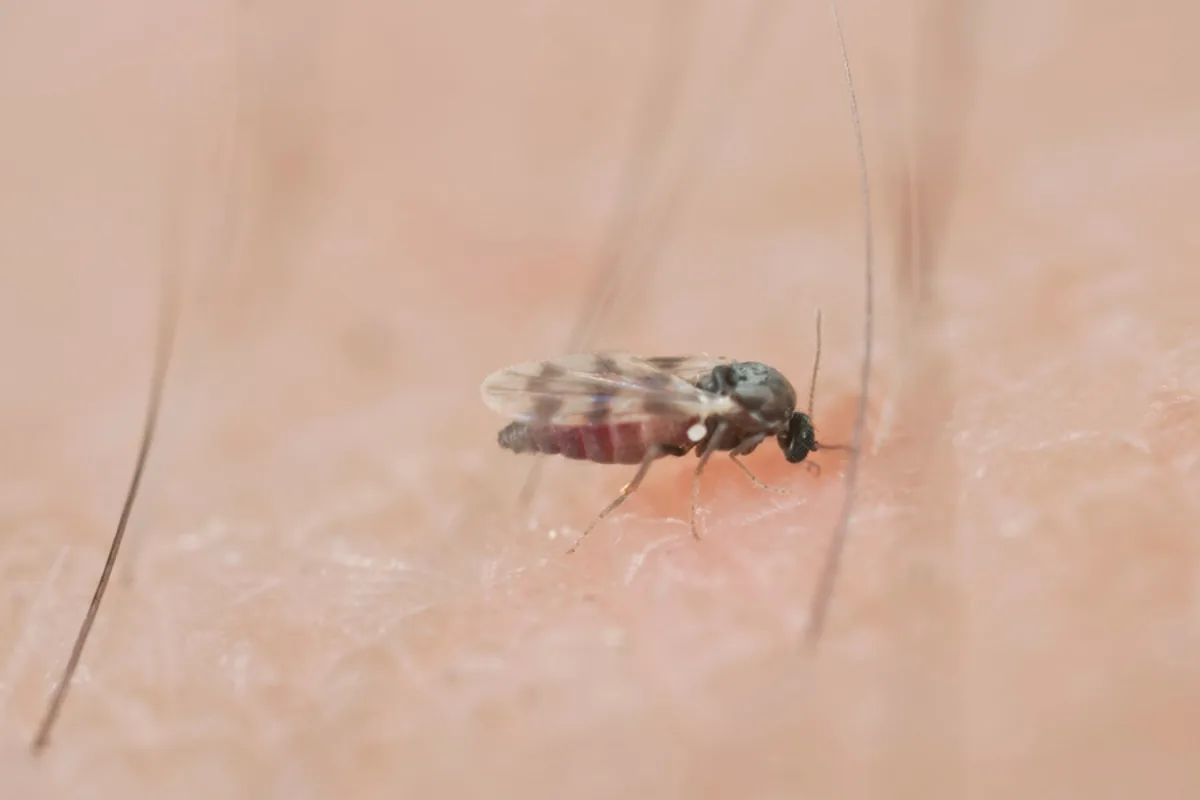
Residents across Southern California are confronting an unexpected and uncomfortable springtime nuisance as swarms of tiny "eye-biting" black flies invade communities, leaving painful, itchy welts on exposed skin. The San Gabriel Valley foothills have become ground zero for this insect invasion, with populations appearing in numbers far exceeding typical seasonal levels.
Unprecedented Black Fly Surge in San Gabriel Valley
Communities including Azusa, Altadena, Glendora and San Dimas have reported daily encounters with the biting insects, with residents describing repeated attacks throughout daylight hours. The San Gabriel Valley Mosquito and Vector Control District has documented numerous cases where prolonged exposure has triggered allergic reactions in sensitive individuals.
"These are very tiny black flies, smaller than a mosquito, and they usually breed in running water," explained Anais Medina Diaz, director of communications for the San Gabriel Valley Mosquito and Vector Control District, in an interview with local media. "We're seeing populations surge into the hundreds much earlier than usual, compared with only single-digit numbers at the same time last year."
Families Concerned About Children and Pets
Families in affected areas are growing increasingly worried about the safety of children and pets spending time outdoors. The insects leave large, itchy welts on skin, and their attacks occur even when people use protective clothing or apply standard insect repellent. Many residents have reported bites on faces, necks and arms despite taking precautions.
Environmental Factors Driving Population Explosion
Vector control officials attribute the unusual black fly proliferation to specific environmental conditions. The insects thrive in fast-moving water, such as that found in the San Gabriel River, which provides an ideal environment for larval development. After maturing in aquatic habitats, adult flies emerge and spread into nearby foothill communities.
Typically, these insects appear later in the year, but an unusually warm winter combined with increased river flow from early snowmelt has created exceptionally favorable conditions for rapid population growth. This perfect storm of environmental factors has accelerated the insects' life cycle, resulting in the current infestation.
Control Efforts and Public Health Implications
Efforts to reduce black fly populations are already underway, focusing on treatments targeting larvae along local waterways. Vector control officials report that these measures aim to curb future infestations, though adult flies that have already emerged may remain active for several weeks, meaning residents could continue to experience bites despite ongoing control efforts.
Fortunately, while black flies can be pesky and their bites painful, they do not transmit disease to humans. This distinguishes them from mosquitoes and other biting insects that can carry serious illnesses.
Protective Measures and Homeowner Responsibilities
Experts recommend several precautions when spending time outdoors in affected areas:
- Use DEET-based insect repellent for maximum effectiveness
- Wear light-colored, loose-fitting clothing that covers exposed skin
- Avoid peak activity times such as sunrise and afternoon hours
- Be particularly vigilant near running water sources
Officials also caution homeowners to monitor decorative water features on private property, including fountains and small streams. If water in these features continues to flow, it can create additional breeding sites for black flies, potentially exacerbating local populations. Proper maintenance and treatment of these water features can help reduce breeding opportunities.
The current black fly invasion serves as a reminder of how environmental changes can impact insect populations and human comfort. While control efforts continue, residents must balance outdoor activities with appropriate protective measures during this unusually intense insect season.






