
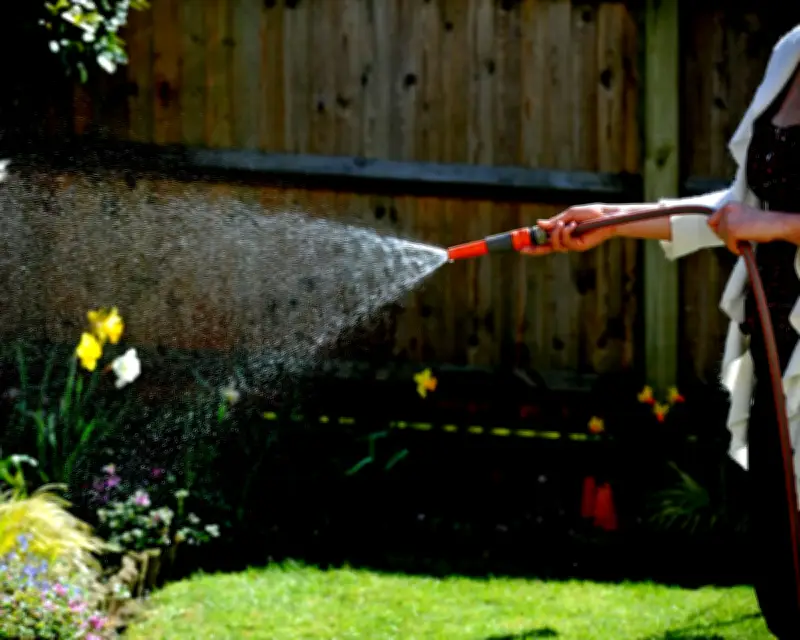
South East Water has implemented a hosepipe ban across Kent, Sussex, Surrey, Hampshire and Berkshire following a sharp increase in water demand during the ongoing heatwave. The company reported treating and supplying 644 million litres of water on Sunday 21 June, which is 56 million litres more than the average daily demand of 588 million litres for June.
Reason for Restrictions
The water company warned that demand is expected to rise further as temperatures continue to climb in the coming days. South East Water stated that the restrictions are necessary to help maintain supplies, particularly for customers living at the furthest points of the network or on higher ground, who are most vulnerable to supply interruptions.
Other Water Companies Respond
Other water companies have also urged customers to reduce usage. Wessex Water posted on X, advising people to avoid watering their lawns, stating: “Grass is tougher than it looks. It naturally copes during hot, dry spells,” adding that “with warmer weather returning [reducing lawn watering] is an easy way to save water.”
In other parts of the UK, residents are facing water shortages due to supply incidents. A burst water main in Witney and a third-party pollution incident in West Oxfordshire have left homes with low water pressure or no water at all.
Community Support
A West Oxfordshire district council spokesperson said: “With hot weather continuing across the district, please check in on vulnerable neighbours, friends and relatives, particularly if they are without water.” Yorkshire Water has taken precautions by setting up bottled water stations and delivering bottled water to customers on its priority services register.
Broader Water Conservation
South East Water is currently the only water company to issue a hosepipe ban, but experts have stressed the importance of conserving water more broadly. Helen Wakeham, chair of the National Drought Group and director of water at the Environment Agency, said last week: “Heatwaves will continue to be a concern as they can drive spikes in water demand, so we need to continue to work collaboratively to use our finite water wisely.”




