Global Sea Levels Underestimated by 30cm on Average, New Research Reveals
Global sea levels have been significantly underestimated due to inaccurate modelling, according to new research published in the journal Nature. The study suggests that ocean levels are far higher than previously understood, with profound implications for coastal settlements worldwide.
Key Findings and Discrepancies
The research, which analysed 385 pieces of peer-reviewed scientific literature from 2009 to 2025, found that globally, sea levels are an average of 30 centimetres higher than previously believed. However, in regions such as south-east Asia and the Indo-Pacific, the discrepancy is even more severe, with levels potentially 100 to 150 centimetres higher than earlier estimates.
This underestimation stems from a reliance on geoid models, which estimate sea levels based on Earth's gravity and rotation, rather than local, direct measurements. As a result, sea levels were undervalued by an average of 24 to 27 centimetres, depending on the model used, with some discrepancies reaching as much as 550 to 760 centimetres.

Impact on Coastal Communities
Rising sea levels pose a major threat to coastal communities globally. The United Nations Intergovernmental Panel on Climate Change (IPCC) estimates that by 2100, levels may rise by 28 to 100 centimetres. The new calculations indicate that following a relative sea level rise of one metre, 37% more coastal areas will fall below sea level, affecting up to 132 million individuals.
Dr Philip Minderhoud of Wageningen University in the Netherlands, one of the study's authors, emphasised the urgency: "If sea level is higher for your particular island or coastal city than was previously assumed, the impacts from sea level rise will happen sooner than projected before." He noted that factors such as winds, ocean currents, seawater temperature, and salinity influence actual sea levels, which were not adequately accounted for in previous models.
Methodological Concerns and Policy Implications
The researchers described the discrepancy as an "interdisciplinary blind spot", expressing concern that many of the inaccurate studies analysed are referenced in the latest IPCC climate change reports. More than 90% of the studies reviewed did not use local, direct measurements, instead relying on land elevation data referenced against global geoid models.
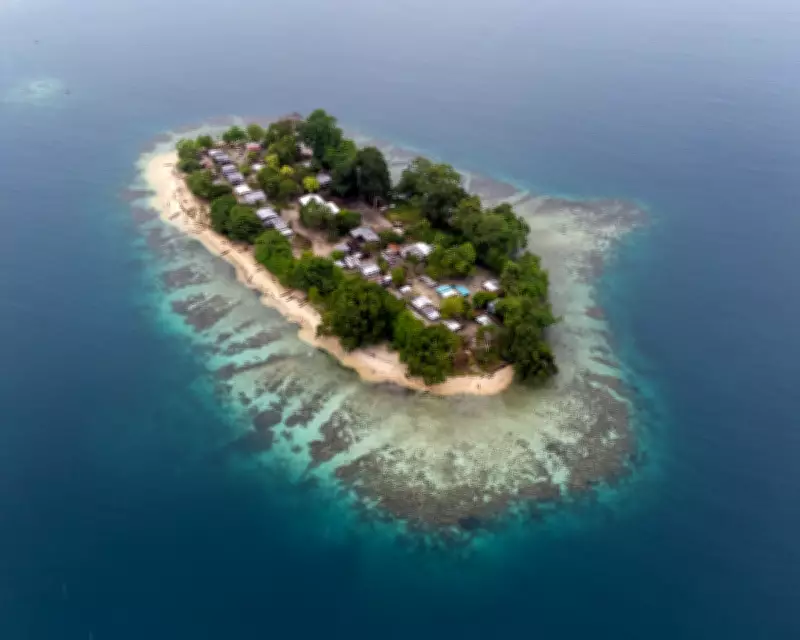
The study provides ready-to-use coastal elevation data integrated with the latest sea level measurements and calls for a re-evaluation of existing coastal hazard studies. This is crucial to ensure that climate change policies are accurately informed and can effectively address the imminent threats to vulnerable regions, such as the island of Toruar in eastern Papua New Guinea, which is already facing rising sea levels.
Future Projections and Global Response
As the fate of coastlines depends on factors like the melting of Antarctica's ice sheets, the research underscores the need for improved modelling and proactive measures. The findings highlight the potential for "catastrophic inland migration" and stress the importance of updating scientific methodologies to better predict and mitigate the impacts of global heating.
In summary, this research reveals a critical gap in current understanding of sea levels, urging policymakers and scientists to adopt more accurate data to safeguard coastal communities and inform effective climate action.