Sea-Level Rise Emerges as Global Health Emergency
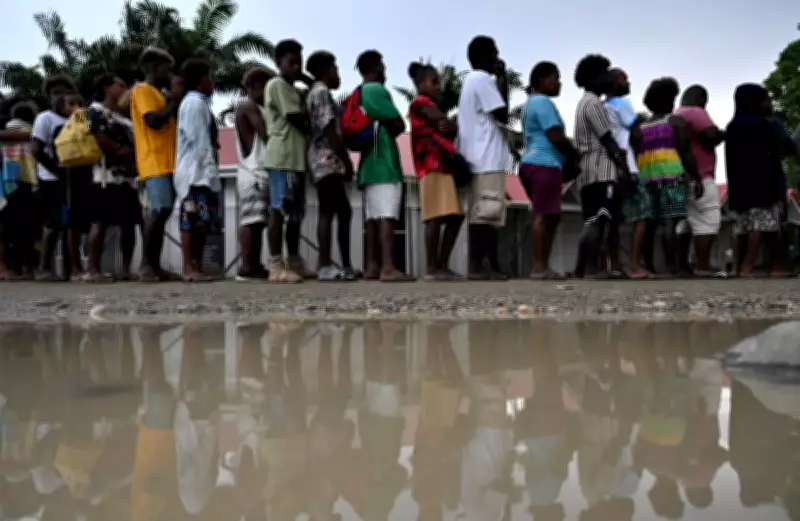
The escalating threat of sea-level rise is no longer just an environmental concern but a profound health crisis, endangering millions worldwide. In the Solomon Islands, seawater laps at the walls of Honiara's main hospital, forcing costly relocation plans. This stark reality underscores a growing burden of water contamination, infectious diseases, food insecurity, displacement, and mental health issues driven by rising oceans.
Who Bears the Cost of Climate Harms?
A new Lancet Commission on sea-level rise health and justice, co-chaired by climate negotiator Christiana Figueres and involving nearly two dozen experts, grapples with a critical question: who should pay for rebuilding infrastructure in vulnerable regions? Dr. Saia Ma'u Piukala, WHO regional director and a commissioner, highlights that in 14 Pacific island countries, 62% of health infrastructure lies within 500 metres of the coast. He asserts that health is a political choice, with inaction leading to severe consequences.
Immediate Health Impacts of Rising Seas
The health effects are immediate and devastating. Saltwater intrusion contaminates freshwater sources, compromising drinking supplies. Flooding overwhelms sanitation systems, spreading sewage and pollutants, which increases risks of waterborne diseases like cholera and leptospirosis. Displacement from sea-level rise leads to overcrowding, fueling infectious disease spread. Additionally, salinated water can raise blood pressure, linked to hypertension and organ damage, while destroyed crops cause malnutrition and livelihood loss.

Gender Inequality Exacerbated by Climate Change
Women and girls face disproportionate impacts. In many regions, they are responsible for water collection, traveling further when local sources are polluted, exposing them to sexual violence and disease. Pregnant women and children are particularly vulnerable to contaminated water, with disrupted healthcare access worsening outcomes. Sunita Narain of India's Centre for Science and Environment notes that men often migrate first for work, leaving women to cope with survival pressures.
Relocation and Cultural Erosion
Planned relocations ahead of disasters have profound effects, requiring moves of education, housing, and critical services. Dr. Piukala emphasizes that in the Pacific, health is tied to identity; sea-level rise erodes culture, traditions, and belonging. In low-lying atoll nations like Kiribati and Tuvalu, families are displaced from ancestral lands, disrupting food systems and social cohesion.
Path Forward: The Lancet Commission's Mission
The Lancet Commission will focus on areas where sanitation is compromised, diseases are accelerating, and health services are strained. By 2027, it aims to present actionable recommendations for governments, institutions, and civil society. Prof. Kathryn Bowen, a co-chair, stresses the need for imagination, empathy, and connection to move beyond individualistic approaches. Ultimately, urgent emission reductions are essential, as adaptation alone cannot solve this crisis.