Scientists Warn Scampi and Chips Carry Hidden Climate Cost
Scientists Warn Scampi and Chips Have Hidden Climate Cost

Scientists Urge Brits to Rethink Scampi and Chips Amid Environmental Concerns

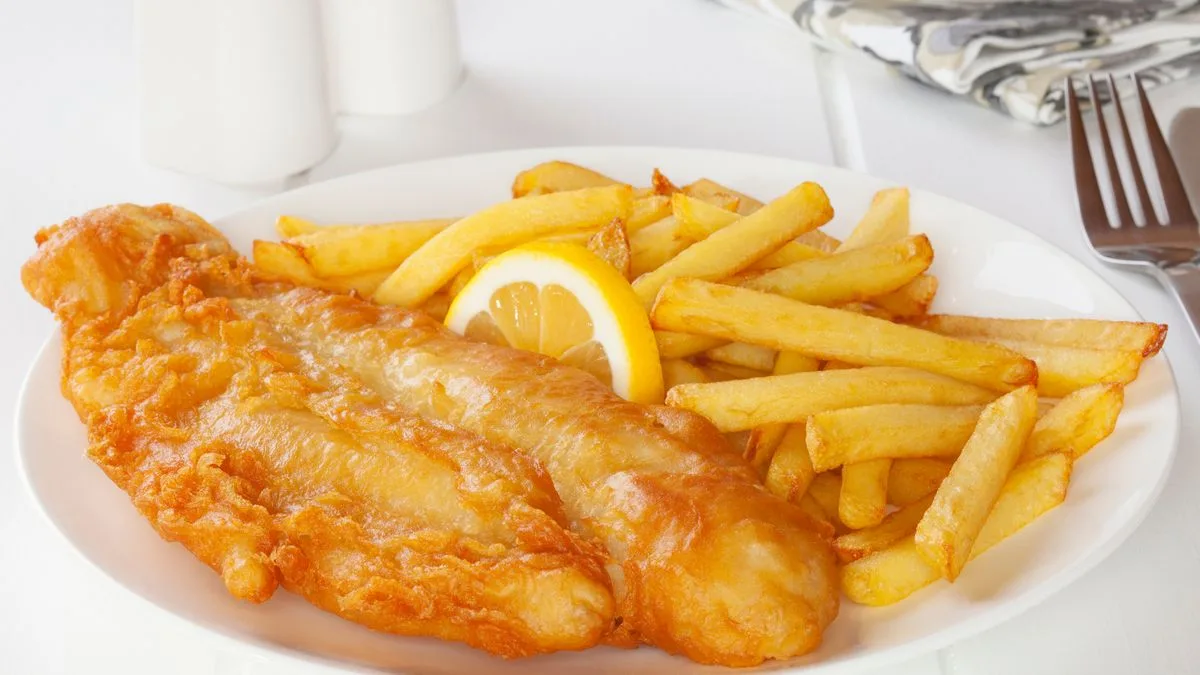
Traditional British seaside favourite scampi and chips is facing renewed scrutiny from environmental scientists who warn the dish carries a significant hidden climate cost. Scampi, made from breaded and fried tails of Norway lobsters, has been identified as having damaging environmental consequences due to current fishing methods.

The Carbon Cost of Bottom Trawling

Researchers from the University of Exeter have discovered that bottom trawling, the most common method for catching Norway lobsters, releases carbon dioxide that has been trapped in ocean sediment for thousands of years. The practice involves dragging heavy nets across the sea floor, disturbing ancient carbon stores that help maintain planetary climate stability.

Professor Callum Roberts, co-author of the study, told the Daily Mail that consumers should "definitely" avoid British scampi caught through bottom trawling methods. The research, published in Marine Geology, reveals that trawling in key fishing grounds can disturb carbon deposits dating back up to 2,300 years.

Wide Pickt banner — collaborative shopping lists app for Telegram, phone mockup with grocery list

Devastating Impact on Marine Ecosystems

The environmental concerns extend beyond carbon emissions. Bottom trawling causes extensive damage to marine habitats and creates significant bycatch problems. For every kilogram of Norway lobster caught, approximately another kilogram of other marine life is killed and discarded. This includes:

  • Various shark species
  • Flatfish and other shellfish
  • Juvenile fish including cod
  • Numerous crustaceans

Phil Taylor of ocean conservation charity Open Seas explains: "The bottom trawls used flatten and damage habitats throughout huge areas of the North Sea. The trawls also lift carbon locked up in the seafloor, some of which then gets released to the atmosphere."

The Fladen Ground Study

Researchers focused their investigation on the Fladen Ground, a major Norway lobster fishing area east of Scotland. This region stores an estimated 11.65 million tonnes of organic carbon, deposited primarily at the end of the last ice age. Dr Zoë Roseby, co-author of the study, notes: "Most of the carbon stored there was deposited at the end of the last ice age and is not being replenished in our lifetime. This means that modern trawl events can disturb sediments and carbon deposited several thousand years ago."

Industry Response and Alternatives

SeaFish, the public body supporting the seafood industry, has contested some of these claims. A spokesperson stated: "There has been unfair criticism that the Nephrops fishery causes widespread damage to seabed habitats and some of the vulnerable marine life that lives there. Nephrops are usually caught from well-defined areas of soft mud and sandy habitats, which are naturally disturbed by burrowing animals."

However, scientists point to alternative fishing methods that could reduce environmental impact. Creel fishing, which uses lobster pots to trap live animals, has been shown to have a much smaller environmental footprint. Studies indicate this method can generate more revenue for fishing fleets due to producing larger, higher-quality catches.

Sustainable Seafood Choices

While Norway lobsters themselves are considered environmentally friendly due to their rapid reproduction cycle, the fishing methods currently employed make sustainable consumption challenging. Professor Roberts explains: "From the narrow perspective of the scampi alone, you can fish sustainably. These prawns live fast, reproduce early and die young, so they can easily withstand fishing pressure. However, as most scampi is still caught by bottom trawling, there is currently no way to sustainably eat scampi."

The Marine Conservation Society provides guidance on seafood choices, recommending alternatives to bottom-trawled scampi while suggesting more sustainable options for consumers concerned about marine conservation and climate impact.

Pickt after-article banner — collaborative shopping lists app with family illustration




