The Rising Threat of Arctic Oil Spills
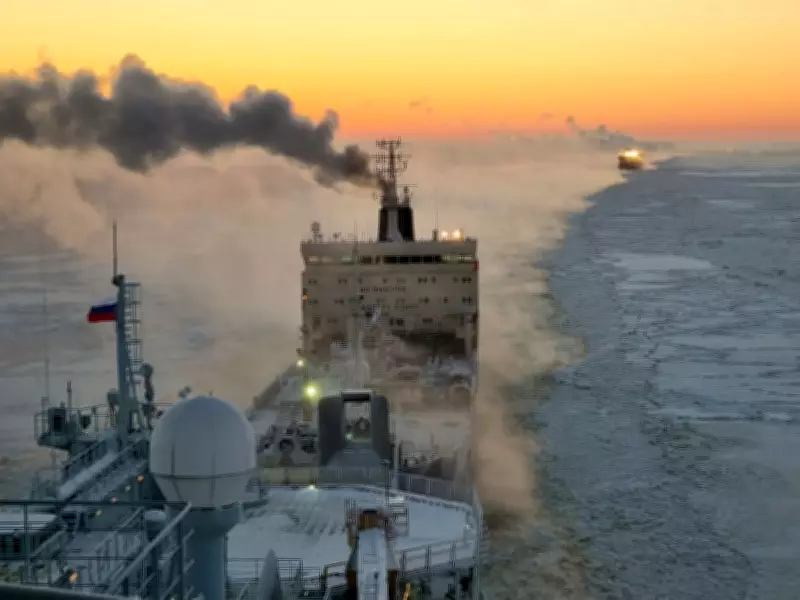
In February 2025, the nuclear-powered icebreaker Arktika escorted a vessel through the Gulf of Ob on the northern sea route, highlighting the growing maritime activity in the Arctic. This surge in shipping, particularly by unregulated shadow fleet ships, escalates the risk of environmental catastrophe in one of Earth's most delicate ecosystems. Scientists are urgently exploring new methods to contain oil spills in these icy waters, where traditional cleanup techniques often fail.
Microbial Experiments in Cold Waters
Last winter, at the Churchill Marine Observatory in Canada, researchers conducted a groundbreaking experiment to combat oil pollution. They released 130 litres of diesel into an ice-covered pool filled with seawater from Hudson Bay and introduced oil-eating microbes. Initially, the microbes responded sluggishly, with little change observed after three weeks, according to Eric Collins, a microbiologist at the University of Manitoba who led the project. However, by eight weeks, a significant shift occurred as one bacterium flourished by feeding on the oil. Despite this success, the two-month timeframe is impractical for rapid spill response, underscoring the urgency of faster solutions.
The Shadow Fleet's Dangerous Presence
Data from the Bellona Foundation reveals a sharp increase in shadow fleet activity along Russia's northern sea route. In 2025, over half of these vessels were oil and liquefied natural gas tankers, with 18 lacking proper ice-class design, making them ill-suited for icy conditions. Sian Prior of the Clean Arctic Alliance warns that this fleet introduces major unknowns, such as ship locations and cargo types, heightening ecological risks. Ksenia Vakhrusheva notes that many of these aging tankers, often sold to avoid scrapping costs, pose severe dangers even in light ice, threatening spills in remote areas.

Challenges of Arctic Oil Cleanup
Oil behaves differently in the Arctic compared to warmer seas. Cold temperatures can cause fuels to become viscous, forming globules that sink or stick to ice, while sea ice hampers skimmers and booms used for surface cleanup. Synnøve Lofthus of the Norwegian Coastal Administration points out that the Arctic's remoteness complicates response efforts, making it difficult to access and address spills quickly. Over the past 15 years, millions have been invested in research, yet few new technologies have emerged. The Arctic Oil Spill Response Technology Joint Industry Programme, funded by fossil fuel companies, concluded in 2017 that mechanical recovery improvements were not readily achievable, shifting focus to dispersants and in-situ burning.
Controversial Cleanup Methods
Dispersants, which break oil into smaller particles, can harm marine organisms, especially during sensitive life stages near ice edges. In-situ burning, while effective in slowing evaporation, produces black carbon that accelerates ice melting. Meanwhile, the 2020 International Maritime Organization sulphur cap led to new low-sulphur fuels blended with paraffins, creating viscoelastic oils that are harder to recover. Lofthus adds that shadow fleet vessels may use heavy fuel oil or whatever is cheapest, adding another layer of risk. Beyond Russia, Arctic infrastructure development and militarisation drive further research, such as Collins' work funded by the Canadian government, aimed at preparing for future port expansions like Churchill.
Slow Progress and Future Outlook
Despite ongoing efforts, Prior notes that cleanup technology has stagnated over the past decade, with no major innovations reaching the market. The changing fuel compositions and increasing shadow fleet traffic demand urgent advancements. As Arctic shipping continues to rise with melting sea ice, the race to develop effective spill containment methods remains critical to protecting this vulnerable environment from potential disasters.