
Russia has been compelled to introduce fuel rationing and is actively negotiating gasoline imports from other countries following a sustained campaign of Ukrainian drone strikes on its oil refineries and energy infrastructure. Kremlin spokesman Dmitry Peskov confirmed during a daily briefing that “discussions are actively being held” with unnamed nations, adding that “if agreements can be reached at acceptable price points, then [imports] will move forward.”
Putin Acknowledges Fuel Shortage
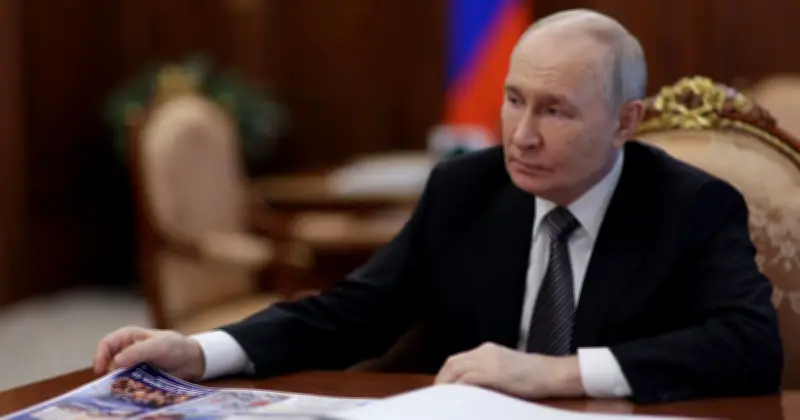
President Vladimir Putin himself acknowledged the severity of the crisis, estimating Russia’s total gasoline reserves at 1.7 million metric tons—a 4% decline compared to the same period last year. The admission marks a rare public recognition of vulnerability for the world’s second-largest crude oil exporter and third-largest exporter of refined petroleum products.
Last week, industry sources told Reuters that Russia was discussing the purchase of 50,000 metric tons of AI-92-grade gasoline from Kazakhstan. However, Kazakhstan’s energy minister stated that Moscow had not formally approached Astana for those supplies. Deputy Prime Minister Alexander Novak described gasoline imports as one of the “key measures” needed to stabilise the domestic fuel market.
Tax Code Changes and Subsidies
In a legislative response, Russia’s State Duma amended tax codes to create government subsidies designed to fund gasoline imports from abroad. The move underscores the urgency of the situation as domestic production has plummeted. According to industry reports, Russian gasoline output has dropped by 25% after Ukrainian drone attacks forced the shutdown of several large refineries.
On June 16 and 18, the Moscow Oil Refinery was hit by successive waves of drone attacks, causing severe damage to its processing units. Industry sources report that the refinery is crippled and will remain entirely offline for at least six months. On June 28, a synchronised overnight operation saw drones spark major fires at the Slavyansk facility in Krasnodar Krai and target the massive 300,000-barrel-per-day refinery in Yaroslavl, roughly 700km from the Ukrainian border. Long-range drones also struck the crucial Ufa Refinery deep inside Russian territory, as confirmed by Ukraine’s President Volodymyr Zelensky.
Rationing and Price Surge
Authorities have introduced fuel rationing measures across the country and in annexed Crimea. The disruptions arrive at a critical time, coinciding with the summer vacation travel season and the agricultural farming season. The average price of gasoline in Russia has climbed 9.8% since the start of the year, with a record single-week surge of 3% pushing the national average to 71.20 rubles per litre (approximately £3.14 per gallon) as of June 22.
Ukraine’s drone campaign has focused on Russian oil refineries in an effort to choke off Moscow’s war funding and military fuel supply. The attacks have inflicted significant damage on Russia’s refining capacity, forcing the government to take the unprecedented step of seeking foreign gasoline supplies and rationing domestic consumption.




