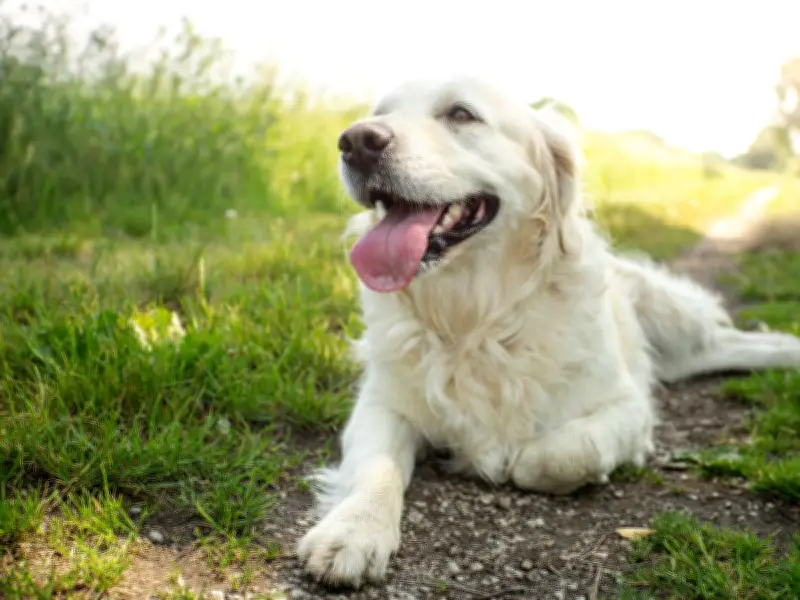
The RSPCA has issued a warning to dog owners in Scotland as temperatures soar to 29°C on June 25, 2026, urging them to recognise that seemingly normal behaviours like panting could signal heatstroke. The charity emphasises that while panting alone does not require an immediate vet visit, it should never be ignored, as failing to keep a dog cool and hydrated can quickly lead to more serious symptoms.
Common Signs of Heatstroke in Dogs
According to the RSPCA, panting is a key indicator of heatstroke. Owners should also watch for noisy or laboured breathing, particularly in flat-faced breeds, which can escalate rapidly. Other symptoms include collapse, confusion, dehydration, drooling, increased heart rate, muscle spasms, red gums and tongue, seizures, vomiting, diarrhoea, and weakness.
Breeds at Higher Risk
The charity notes that some dogs are more vulnerable to heatstroke, including those with health conditions affecting the respiratory system, thick coats, puppies, senior dogs, and brachycephalic (flat-faced) breeds like bulldogs and pugs, which cannot pant as effectively.

First Aid Tips
The RSPCA advises: "Don't place damp towels directly over the dog's body, as this can trap heat and worsen their condition. You can place wet or damp towels beneath the dog – remembering to re-wet the towel frequently – but never over their body." To cool an overheating dog, pour cool water over their body (avoiding the head), submerge them in cool water if safe, create a breeze, and then transport them to a vet in a cool, ventilated vehicle. The charity stresses: "Cool first, transport second. The longer the dog is overheated, the more damage it can cause to their health, possibly even killing them."