
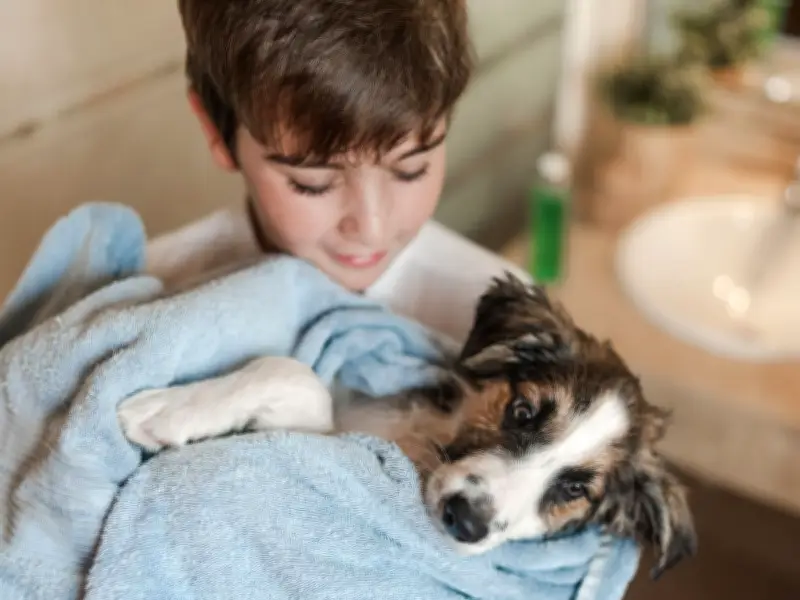
The RSPCA has issued a warning to dog owners who use damp towels to cool their pets during hot weather. The animal welfare charity cautions that this common method can be dangerous if done incorrectly.
Proper use of damp towels
Many pet owners turn to damp towels on scorching days to prevent heatstroke. However, it is vital to position the towels underneath the dog rather than covering their body. The RSPCA highlights the risks on its website, reports the Mirror.
The warning states: "Don't place damp towels directly over the dog's body, as this can trap heat and worsen their condition. You can place wet or damp towels beneath the dog – remembering to re-wet the towel frequently – but never over their body."
Heatstroke risks and symptoms
Heatstroke can pose a serious risk to dogs. "When a dog gets too hot and can't lower its temperature by panting, it can develop heatstroke. This can be fatal, so you need to act fast to reduce their body temperature first, then get help," the charity says.
As the RSPCA highlights, some dogs face a greater risk. Pets with existing respiratory conditions or particularly thick coats, for example, may be especially vulnerable. Age is another consideration: "Puppies and senior dogs aren't as able to regulate their temperature," the RSPCA said.
Owners should watch out for symptoms such as confusion, dehydration, drooling, increased heart rate, noisy breathing, panting, weakness, muscle spasms, or collapse. You can check a dog's heartbeat by placing your hand on their chest. The RSPCA says the dog's size affects resting heart rate: big dogs have slower pulses, while smaller dogs have quicker ones.
Emergency steps for heatstroke
The RSPCA website offers guidance for owners who suspect their dog is suffering from heatstroke. There are three essential steps: stop any further heating, cool the dog, and then transport the animal to the vet.
The charity advises: "Cool first, transport second. The longer the dog is overheated, the more damage it can cause to their health, possibly even killing them. Cool the dog immediately to improve their chances of recovery. Try to stay calm and think clearly. Stay focused on the dog and remind yourself that you are capable of saving a life."
The RSPCA adds that dogs should have constant access to shaded areas inside and outside the home, and clean, cold water should always be available.




