
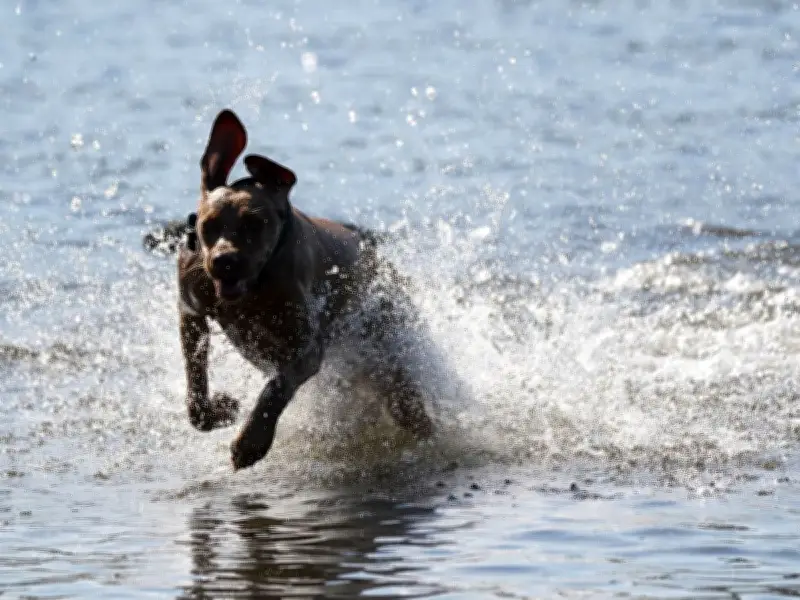
The RSPCA has issued a stark warning that the upcoming heatwave, with temperatures potentially reaching 40°C, could act as a 'silent killer' for pets. The charity emphasizes that all animals are at risk and urges owners to take immediate precautions.
Record-Breaking Heat Expected
Temperatures are set to soar this week, potentially touching 40°C in parts of the UK—less than one degree below the country's highest ever recorded temperature. An ultra-rare Met Office red warning for extreme heat is in force for parts of London, the South East, East of England, East Midlands, West Midlands, and Wales on Wednesday and Thursday. An amber warning covering Greater Manchester is also in effect on both days, with temperatures potentially climbing over 35°C on Thursday.
RSPCA's Urgent Advice
Ahead of the exceptionally warm weather, the RSPCA has asked animal keepers to plan ahead and 'keep a really close eye' on their pets. Lauren Bennett, a dog welfare expert at the RSPCA, said: “It’s really simple - planning ahead and being prepared in this hot weather can help save pets’ lives. Complacency can mean soaring temperatures are a silent killer for our beloved animals.”
Bennett stressed the importance of avoiding hot walks and never leaving dogs in hot vehicles. “We know that almost half of the public may still underestimate the danger, which is why now is the critical time to start your 'pet homework',” she added. This includes checking the temperature forecast daily, planning cooler walks, and knowing how to act in a heatstroke emergency.
All Animals at Risk
“No matter your dog’s breed or how much they appear to enjoy basking in the sunshine, all animals are at risk,” Bennett warned. “Taking the time now to identify how you can reduce your dog’s risk could just save their life.” The RSPCA also highlighted that hot trains, ferries, and caravans pose risks, not just cars.
Practical Tips for Pet Owners
The RSPCA has issued the following advice to pet owners: Identify the coolest rooms in your house, close off conservatories, and use fans or damp towels to lower the temperature. Place extra water bowls in every room and add ice cubes to keep hydration tempting. Freeze puzzle toys or Kongs with treats to provide cooling mental stimulation. Move rabbit and guinea pig pens to shaded areas and regularly refresh their water. Check that indoor enclosures for small furries like hamsters, gerbils, and rats are not in direct sunlight and have good airflow.
Limit exercise to dusk or dawn when temperatures are lowest. Perform the 'pavement test'—if you can't hold your hand on the ground for five seconds, it will burn your dog's paws. Skipping walks for a few days won't harm them, but taking a risk in hot weather could be fatal. For active dogs and puppies, opt for brain games, puzzle feeders, and paddling pools instead.
Recognizing Heatstroke
Memorize the signs of heatstroke: heavy panting, drooling, vomiting, or uncoordinated movement. In an emergency, move the pet to shade, pour cool water over their body, provide airflow, and contact a vet immediately. Sign up for heat-health alerts and take extra care during these periods, as the risk of heatstroke significantly increases for both people and dogs.




