
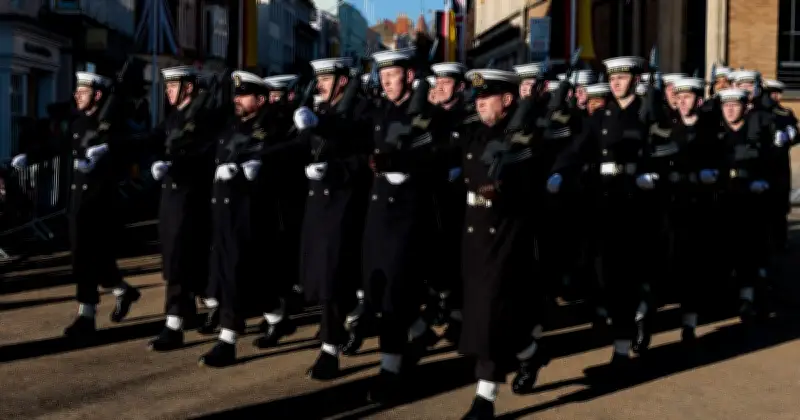
The UK is bracing for a potentially record-breaking heatwave, with the Met Office issuing a rare Red Extreme Heat Warning for Wednesday and Thursday, as temperatures could soar to 40C. In response, a tried and tested Royal Navy method for cooling down in hot weather, used since the 1990s, is being highlighted as an effective way to lower body temperature within minutes.
Royal Navy Technique
Since the 1990s, members of the UK's principal naval warfare force have been submerging their hands in cold water to help them cool down more quickly, according to Sky News. Research published in the Royal Naval Journal of Medicine tested this method: subjects raised their body temperatures by exercising in fire fighting clothing in a heated chamber. Some then placed their hands in cold water, which significantly lowered their core temperature.
The study abstract states: "Immersion of the hands in water (at 10 degrees C, 20 degrees C or 30 degrees C) significantly (P < 0.05) lowered body core (auditory canal) temperature within ten minutes." It adds that this "simple and effective technique may be applied to many industrial and military tasks to reduce heat strain, lower the risk of heat injury, and increase safe total work times in the heat."
Heatwave Warnings and Health Risks
The Met Office's Red Extreme Heat Warning is "reserved for the most severe events," explained Deputy Chief Forecaster Mark Sidaway. "We're expecting severe and significant impacts from this heatwave, with health impacts likely for many, even beyond those who are normally more vulnerable to the heat." Amber Extreme Heat Warnings are also in place from Monday through Thursday, covering much of southern and central England and Wales.
Dr Agostinho Sousa, Head of Extreme Events and Health Protection at the UK Health Security Agency (UKHSA), which has issued Heat Health Alerts, said: "We are urging health and social care services across the country to ensure they are prepared. It is vitally important that people understand the risk posed by high temperatures like these, and take steps to keep themselves and their friends, families and neighbours safe."
Recognizing Heat Exhaustion and Heatstroke
While hand cooling can help with heat exhaustion—symptoms include cramps, tiredness, dizziness, headache, feeling sick or vomiting—heatstroke is a medical emergency. Signs of heatstroke include a very high temperature, hot skin without sweating, fast breathing and heartbeat, confusion, restlessness, seizures, and loss of consciousness. Immediate medical assistance is required if these symptoms appear.
Forecast and Advice
Mr. Sidaway noted: "The last time the UK recorded temperatures this high was in July 2022, but on this occasion the heat is expected to be accompanied by high humidity. As well as very high daytime temperatures, there will be consecutive nights where temperatures do not drop below 20°C, which is called a Tropical Night. This will make it very hard for people to recover from the daytime heat, exacerbating the heat stress impacts."
The Met Office forecast temperatures building to 37°C in southern England and 35°C in southeast Wales on Tuesday, with the peak on Wednesday and Thursday reaching at least 39°C, with a chance of exceeding that. By Friday, conditions will be less hot, with highs of 32°C in eastern areas. The UKHSA advises staying hydrated, avoiding sun during the hottest part of the day, keeping homes cool, and checking on vulnerable individuals.




