
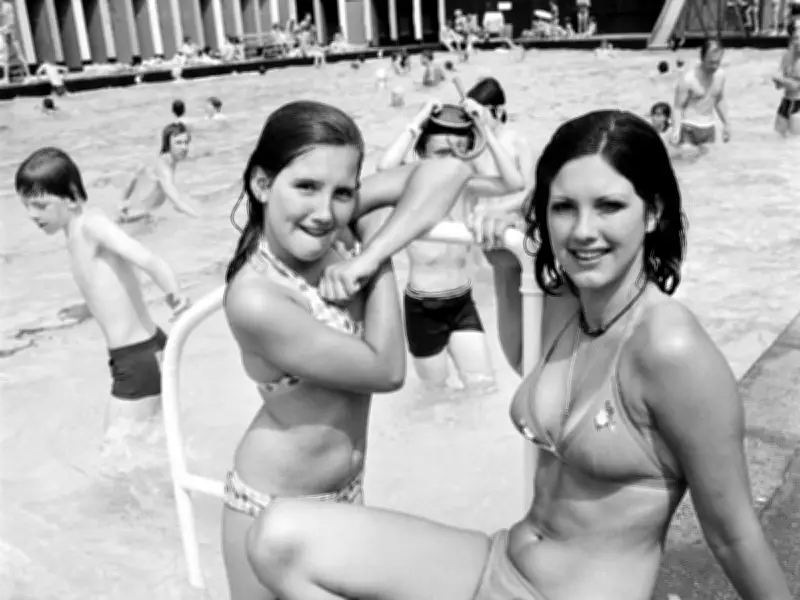
The Met Office has issued a rare red warning for extreme heat as June temperatures in the UK are forecast to reach 38C or even 39C, surpassing the current June record of 35.6C set in Southampton on 28 June 1976. The severe weather alerts cover England and Wales, with experts predicting the hottest day on record this week.
Comparison to the Summer of 1976
The summer of 1976 began unexpectedly when, after a rainy and chilly May, temperatures soared to an unprecedented 28C (82F) in early May. By June 22, the mercury passed 30C and stayed above that mark for nearly three weeks, leading to ten weeks of blazing heat. Some parts of the UK went 45 days without rain, resulting in the driest summer since records began and the highest temperature recorded in over 350 years.
John L. Williams, author of Heatwave: The Summer of 1976, Britain at Boiling Point, draws parallels between 1976 and 2025, noting geopolitical tensions, economic challenges, and social unrest. In 1976, the Labour government declared the country had run out of money, trade unions were dissatisfied, and an ultra-right politician was gaining attention for anti-immigration rhetoric.
Social and Health Impacts
The relentless heat led to a 20% year-on-year increase in excess deaths, with a surge in hospitalisations from sunstroke and heat-related heart attacks. Domestic violence spiked, with London police handling 600 more daily calls for domestic disturbances than normal. Violence, vandalism, and racial tensions escalated, culminating in the Notting Hill riots where over 100 police officers were hospitalised.
Schools saw students fainting en masse during exams, and on the London Underground, passengers smashed train windows due to extreme heat. At Wimbledon, 400 people were treated for heat effects in a single day, and umpires were allowed to remove their jackets for the first time. Bjorn Borg won his first Wimbledon title that year.
Drought and Water Rationing
As the drought worsened, strict hosepipe bans were imposed, and standpipes were installed on streets, each shared between 20 homes. In Wales, mains water supply was switched off for up to 17 hours a day. The Drought Act came into force on August 6, 1976, with Denis Howell appointed as minister for drought. He and his wife took baths together to conserve water, sparking the slogan “Save water - bath with a friend.”
Reservoirs and rivers dried up, fish died in thousands, and forest fires raged across the country. Big Ben broke down for the first time in history on August 5 due to metal fatigue from the heat, remaining silent for three weeks.
Cultural and Historical Notes
The summer also saw the birth of punk rock, with bands like the Sex Pistols and The Clash emerging. Other notable events included the Jeremy Thorpe scandal, the Yorkshire Ripper’s attacks, and a plague of 24 billion ladybirds. The heatwave ended with heavy thunderstorms in late August, leading to floods and the redesignation of Denis Howell as minister for floods.
While subsequent heatwaves, including the 2022 record of 40.3C, have surpassed 1976 temperatures, the summer of 1976 remains etched in memory for its duration and societal impact.




