Indonesia's Raja Ampat: Conservation Success Faces Nickel Mining Threat
Raja Ampat: Conservation Clashes with Nickel Mining Pressure

Indonesia's Raja Ampat: Conservation Success Faces Nickel Mining Threat

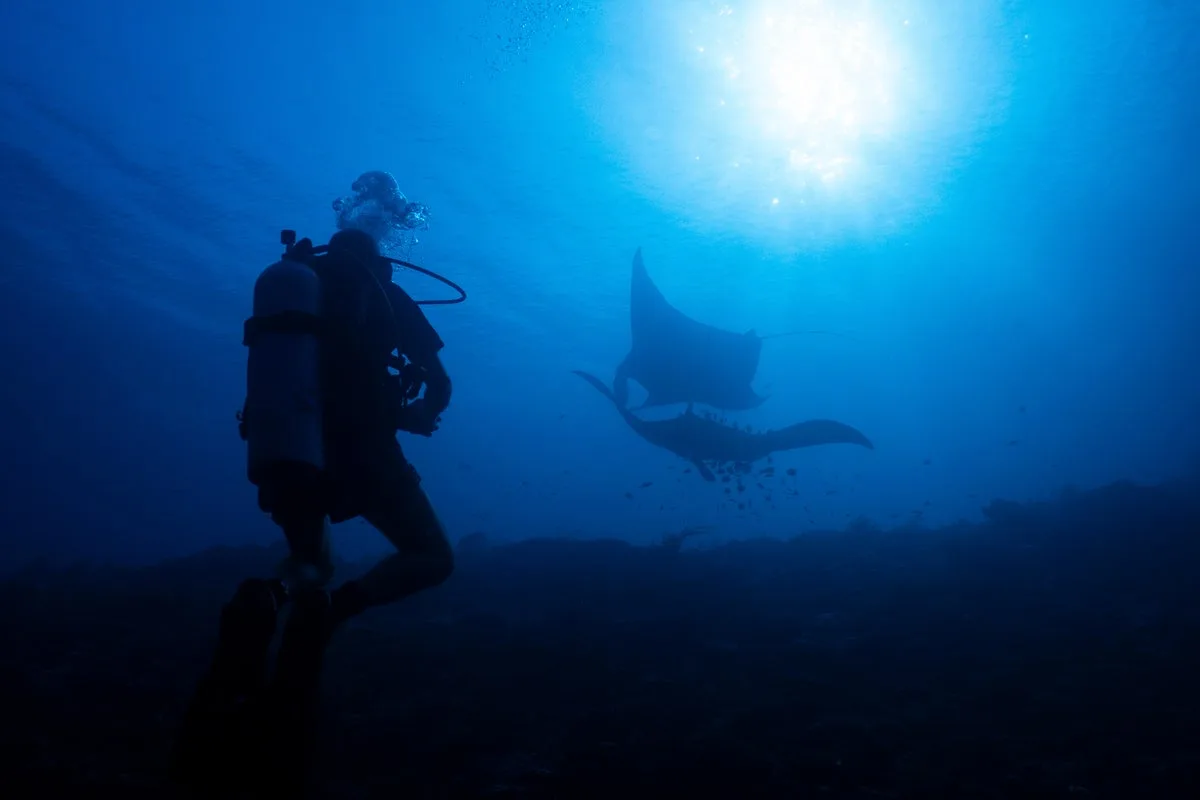
Beneath the turquoise waters of Raja Ampat, a remote archipelago in eastern Indonesia, lies an explosion of colour and life. Sharks, manta rays, and sea turtles glide alongside vast schools of fish through intricate coral formations, some unique to these waters. This region, sitting at the heart of the Coral Triangle in southwestern Papua, is sustained by powerful ocean currents and is described by scientists as the most biodiverse marine ecosystem on the planet.

"There's nowhere on Earth that has as many fish, corals and everything else packed into one small place," said Mark Erdmann, an American coral reef biologist who has studied the region for over two decades and helped build its conservation model. However, this global model for ocean protection is now under significant pressure from the expansion of nickel mining and a surge in international tourism.

From Exploitation to Conservation Model

The reefs of Raja Ampat did not always display their current vibrant health. In the early 2000s, destructive fishing practices using explosives and large nets from external fishermen damaged corals, decimated shark populations, and forced local fishers to travel up to 10 kilometres offshore. During this period, the government primarily relied on mining and forestry as economic drivers.

Wide Pickt banner — collaborative shopping lists app for Telegram, phone mockup with grocery list

A pivotal shift began in 2023 when a marine assessment by Conservation International initiated discussions between local leaders and environmental groups. These conversations focused on how protecting Raja Ampat's waters could ensure food security, generate sustainable tourism revenue, and safeguard one of the ocean's most critical ecosystems.

"We brought some leaders to visit more developed areas such as Bunaken and Bali with the hope that they could see for themselves up close the benefits of natural resource management," explained Syafri Tuharea, a conservation expert who heads the Raja Ampat Marine Conservation Area.

These exchanges established the foundation for ten marine protected areas established from 2007, covering a vast 2 million-hectare zone that includes 45% of Raja Ampat's reefs, seagrass beds, and mangroves. Today, local communities actively patrol the waters, enforce fishing regulations, and monitor tourism, largely funded by tourism revenues including a 700,000 Indonesian rupiah marine park entry fee.

The results after two decades of protection are substantial. A 2024 report from the Misool Foundation documented a 109% increase in fish biomass, a key indicator of ecosystem health. The waters now host 2,007 documented reef manta rays, a significant number for a species vulnerable to extinction across the Indo-Pacific.

Nickel Mining: A New Environmental Threat

This conservation success story is unfolding against the backdrop of a global transition to renewable energy, which is rapidly increasing demand for nickel—a key component in electric vehicle batteries and essential for wind and solar infrastructure. Indonesia holds approximately 43% of the world's nickel reserves, making it central to the country's economic development.

In 2025, the government granted new nickel mining concessions on three northern Raja Ampat islands, some within a declared UNESCO Global Geopark and near premier dive sites. Mining has fueled community tensions, as residents depend on fishing and tourism—both potentially jeopardised by mining activities.

Following public outcry last summer, four concessions were revoked, but one remains active on Gag Island, where mining began in 2017. "The heavy machinery, excavators, bulldozers—they're still there in the islands," said Timon Manurung, director of Indonesian environmental group Auriga Nusantara, noting that no one is taking responsibility for repairing existing damage.

The environmental risks are amplified by the islands' steep geography and heavy rainfall, conditions that can send sediment from mining sites directly into the sea. "In the end, it will cause coral reefs to die," warned Tuharea. The affected zone also sits along a critical migration corridor for reef manta rays, one of the archipelago's major tourism attractions.

Pickt after-article banner — collaborative shopping lists app with family illustration

Beyond its marine richness, Raja Ampat contains extensive seagrass meadows and mangrove forests—coastal ecosystems covering only 0.1% of the ocean floor and 1% of global tropical forests, yet functioning as powerful natural carbon sinks. A March study by Manurung's group found deforestation has already reached nearly 1,000 hectares. "It might not seem much for Indonesia, but it is a lot for small islands," he emphasised.

Tourism: Economic Boon and Environmental Strain

On viewing decks overlooking Raja Ampat's Waigeo Barat islands, international visitors watch boats sail between shades of turquoise and blue. While visitor numbers have remained steady over the past decade, the profile has shifted dramatically: foreign tourists now dominate, accounting for 95% of roughly 42,000 annual visitors, while domestic tourism has declined by more than two-thirds.

International tourists increasingly travel on liveaboard boats for weeklong diving trips, which have rapidly increased according to dive guide Kristanto Umbu Kudu. Conservationists warn this adds growing strain on reefs through anchoring, waste, and sewage discharge. "Our data shows that in 2024, there were 218 tourist ships," said Tuharea. "Can you imagine how many square meters of coral reef will be destroyed because of the anchors?" Authorities are now considering mooring systems and boat restrictions.

At Blue Magic, one of the archipelago's top dive sites, once crystal-clear waters now contain pink jellyfish tangled in waste. "That's something which still breaks my heart every time I see these big rafts of floating plastic," Erdmann lamented.

A Global Biodiversity Stronghold at Risk

For divers who have explored reefs worldwide, Raja Ampat remains exceptional. Pol Ramos, a Spanish marine biologist and co-founder of ocean education project Odicean, stated: "It is one of the few places in the world, alongside the Amazon, where biodiversity actually increases from year to year."

The archipelago is home to about 75% of the world's known hard coral species and more than 1,700 fish species. What is at stake extends beyond ecosystem loss to include the genetic diversity they contain. Every species carries millions of years of evolutionary information in its DNA—what Erdmann describes as nature's library of solutions.

"As we go into a more and more uncertain future with climate change," Erdmann concluded, "it's that genetic diversity that's what we have to work with in terms of how we adapt." The delicate balance between conservation success and development pressure in Raja Ampat will determine whether this unique marine treasure can survive for future generations.




