
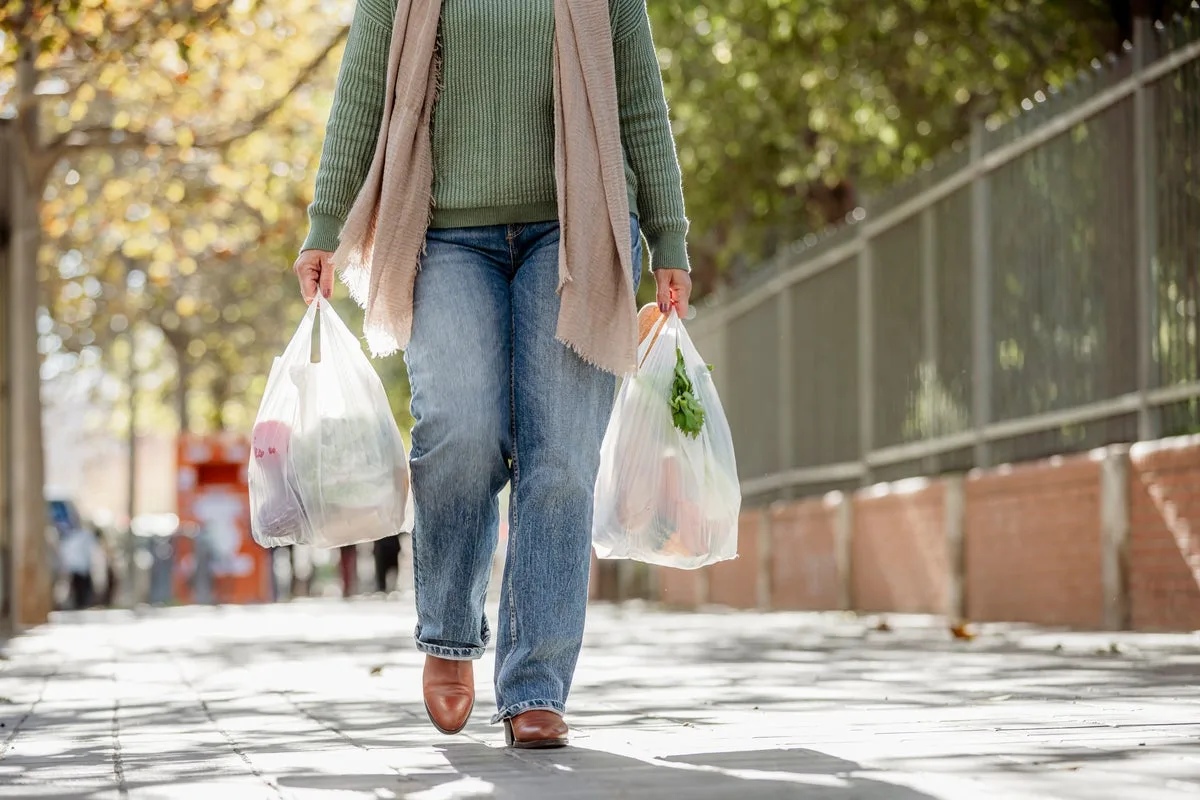
Soft, stretchy plastics found in grocery bags, bubble wrap, and packaging are a persistent environmental problem. If sent to landfill, they can take hundreds of years to degrade, releasing microplastics. In 2018 alone, over 2.7 million metric tons of plastic bags and wraps were landfilled in the US, according to the Environmental Protection Agency.
When mistakenly placed in household recycling bins, these plastics can clog machinery and disrupt the recycling process. Erha Andini, a chemical engineering expert, explains: 'Once they get shredded or even before, a lot of times they just clog recycling equipment.' This makes 'wishcycling' counterproductive.
Instead, plastic films should be taken to dedicated drop-off bins at grocery or convenience stores. These bins accept clean, dry bags and wraps labelled with recycling numbers two or four (high or low-density polyethylene). Collected items are reprocessed into new products such as outdoor decking. Trex, a decking manufacturer, provides a locator on its website to find nearby drop-off points.
Items without these numbers, such as multi-layer meat wrap, are harder to recycle and should be avoided where possible. Before dropping off, ensure items are clean and free of receipts or food residue. Some grocers have ended in-store programmes, but local organisations like Precious Plastic NYC accept donations by appointment, melting plastics into clipboards and hangers.
Reducing reliance on plastic films is key. Opt for reusable bags and choose products with minimal plastic packaging. As Gary Dusek of Precious Plastic NYC says: 'All we’re really trying to do is take this stuff out of the environment, and put it into something where we know what it is.'




