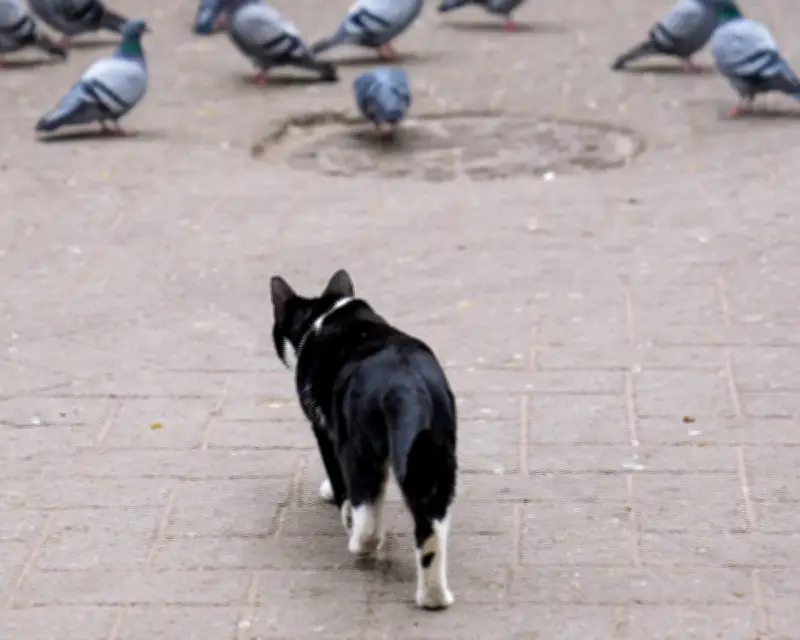
Australia's fourth confirmed case of the highly pathogenic H5N1 bird flu strain was detected in Western Australia on Saturday, prompting urgent warnings from authorities for pet owners to protect their cats, dogs, and birds from exposure to wild birds. The virus, which has killed millions of birds and thousands of marine mammals globally since 2021, poses a low risk to humans but can be fatal to pets.
Current Spread in Australia
The latest detection involved a giant petrel found at Quindalup on Western Australia's south-west coast. Three birds in WA and one in South Australia have tested positive for H5 bird flu. Results from a suspected case in another giant petrel at Roses beach, 30km west of Esperance, are pending. The federal government has identified over 150 native bird species and more than 10 mammal species, including sea lions and fur seals, at very high risk of extinction or major decline if infected.
Risk to Pets
The H5N1 virus can be fatal to cats and dogs, though infections overseas are infrequent and typically result from exposure to sick or dead birds, infected animals, or consumption of raw pet food or unpasteurised milk. The Australian government considers sheep, pigs, and horses low risk. Dr Anne Quain, a veterinary lecturer at the University of Sydney, told Guardian Australia: "The infection can cause respiratory or neurological signs. There are reports of fatalities in cats and (less commonly) dogs elsewhere in the world."
Symptoms in Pets
Signs of bird flu in pets may be subtle or mistaken for other illnesses. Symptoms vary by species but can include fever, lethargy, discharge from eyes or nose, difficulty breathing, and neurological signs such as tremors or seizures. The president of the Australian Veterinarian Association, Dr Diana Barker, advised bird owners to isolate suspected cases and call clinics rather than bringing the bird in to minimise spread. She stated: "Right now, the risk to common household pets in Australia is low, and there is no cause for alarm. However the public must remain vigilant."
Precautionary Measures
Threatened Species Commissioner Dr Fiona Fraser urged the public to avoid touching potentially sick wild birds and to keep pets away from them. "Pet cats and dogs which come into contact with sick birds could capture H5 bird flu themselves," she said. "And it's generally good practice to keep your pets away from wildlife anyway." Sean Dooley from BirdLife Australia advised keeping cats indoors and dogs on leashes at beaches, especially after storms when dead birds may wash ashore. Dr Quain recommended minimising exposure to wildlife, avoiding leaving pet food or water in areas accessible to wild birds, and showering and changing clothes after contact with sick or dead birds before interacting with pets.