
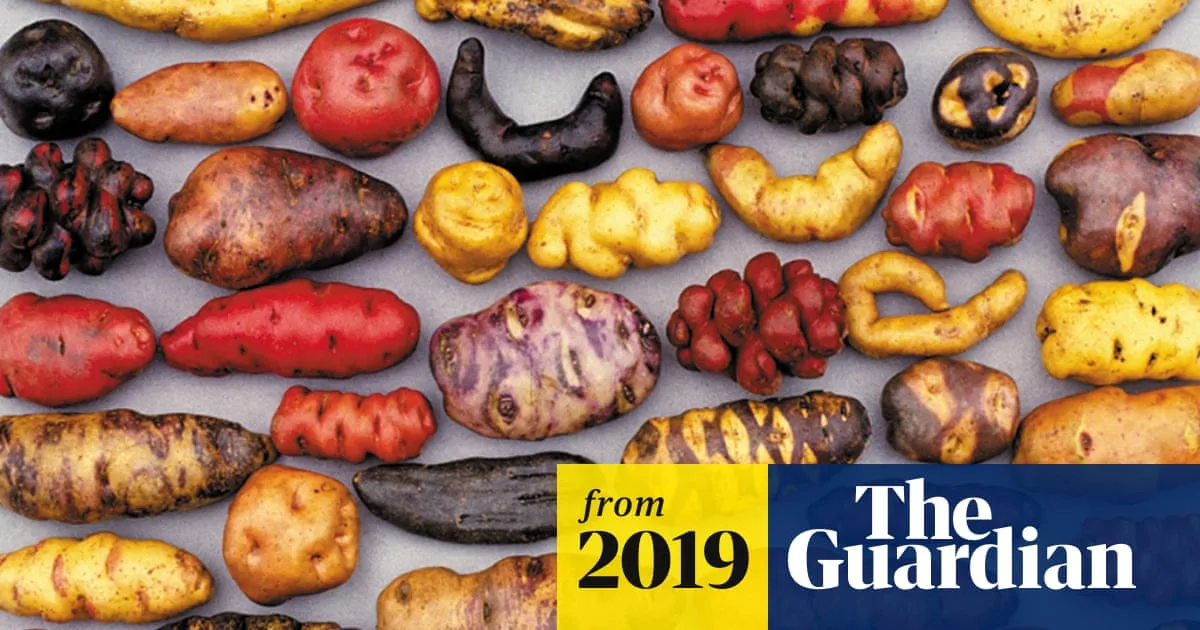
High in the Peruvian Andes, a living museum dedicated to the potato is offering hope in the face of climate change. The Potato Park in Cusco spans 90 square kilometres at altitudes from 3,400 to 4,900 metres, preserving one of the world's highest diversities of native potatoes. Agronomists are tapping into ancestral farming knowledge to identify genetic strains that can withstand increasingly frequent droughts, floods, and frosts.
The park, located in the Sacred Valley of the Incas, is home to 1,367 varieties of potato. Farmers cultivate them at different altitudes and in various combinations, creating new genetic expressions. 'These potatoes create new genetic expressions which will be very important to respond to the challenges of climate change,' says Alejandro Argumedo, founder of the NGO Asociación Andes, which supports the park.
Potatoes were domesticated 7,000 years ago near Lake Titicaca. Today, the park is considered a secondary centre of origin for the crop, which is grown on every continent except Antarctica. Scientists at NASA and the International Potato Centre have even tested whether potatoes can be grown on Mars.
Climate change is pushing pests like the Andean potato weevil to higher altitudes, forcing farmers to sow crops at the upper limits of arable land. The park conducts tests to see how native varieties resist frost, hail, intense sunlight, and pests. 'These crops have always adapted,' says Marie Haga of the Crop Trust. 'Now climate change is so fast that these poor plants are not able to adapt.'
Locals look to the wild 'grandfather' of the domesticated potato, which still grows in the highlands. Its seeds spread through animal dung, and farmers mix crops with these wild relatives to boost resistance. 'In laboratories, scientists are trying to solve this through gene transfer and genetic engineering, but the peasants here have been doing this kind of work for thousands of years,' Argumedo notes.
The park maintains an on-site seed bank where potatoes are stored in coded paper bags, cooled by icy water trenches. In 2017, 650 samples were sent to the global seed vault on the Norwegian island of Svalbard for safekeeping.




