Oil Exploration Sparks Migrant Influx and Urban Strain in Amazon City
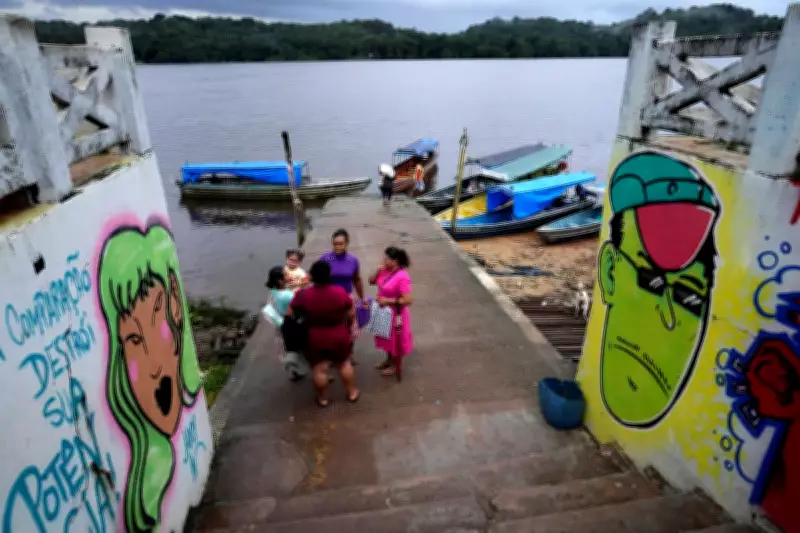
Exploratory oil drilling off the coast of Brazil's Amazon rainforest is dramatically reshaping life in Oiapoque, a remote city in the impoverished state of Amapa. Since Petrobras, the country's state oil company, commenced offshore drilling operations, thousands of migrants have flooded into the area, clearing forest for makeshift housing as they await anticipated job opportunities from future oil production.
Rapid Urban Growth and Infrastructure Challenges
Oiapoque's local economy has traditionally relied on fishing, illegal gold mining, and cross-border visitors from French Guiana. However, the sudden influx of migrants seeking work has triggered rapid, unplanned urban expansion that is overwhelming the city's fragile infrastructure. Residents report severe strains on public services, with overcrowded schools and the city's only hospital operating at maximum capacity.
According to Tiago Vieira Araújo, an Oiapoque councilman, seven entirely new neighborhoods have emerged in recent months, some in areas where pristine rainforest stood just a year ago. This uncontrolled growth represents a significant transformation for the remote Amazon community.

Indigenous Concerns and Migrant Motivations
Renata Lod, a representative on Oiapoque's Indigenous council, expressed skepticism about Petrobras's promises of progress. "Petrobras arrived in the city with strong political backing, promising progress as if we would go to sleep one way and wake up like Dubai," she stated. "The reality is a completely disorganized population growth and invasion of Indigenous lands."
For migrants like Reginaldo Nunes Fonseca, who relocated from Maranhao after seeing television reports about Petrobras receiving exploratory drilling licenses in January, the hope of economic opportunity proved compelling enough to uproot their lives despite the uncertain outcomes.
Environmental Warnings and Regulatory Scrutiny
Environmental organizations have raised alarms about potential catastrophic consequences from oil spills that could devastate local fisheries and sensitive wetland ecosystems. Indigenous leaders simultaneously fear the project endangers their traditional lands and cultural way of life.
Federal prosecutors have petitioned Brazil's environmental regulator to annul or suspend the environmental license granted to Petrobras, arguing the company's impact studies are insufficient and that they conceal the full extent of potential environmental damage. No ruling has yet been issued on this request.
Petrobras maintains it conducted comprehensive spill modeling to secure the license and has deployed drifting devices to monitor ocean currents since exploration began in October. However, in January, the company reported a drilling-fluid leak that temporarily halted operations, resulting in a 2.5 million reais ($470,500) fine from IBAMA, Brazil's environmental regulator.
Brazil's Climate Policy Dilemma
The situation in Oiapoque highlights a broader contradiction facing Brazil and other developing nations. When Brazil hosted the UN climate summit (COP30) last year, President Luiz Inácio Lula da Silva and Brazilian negotiators advocated for a global roadmap to phase out fossil fuels, the primary drivers of climate change.
Yet simultaneously, many residents in communities like Oiapoque hope fossil fuel revenues might lift their local economies, creating tension between climate commitments and economic development aspirations. The expansion of oil drilling into the Amazon region, even through offshore projects, raises questions about Lula's campaign pledge to protect the rainforest.
The Associated Press' climate and environmental coverage receives financial support from multiple private foundations. AP maintains sole responsibility for all content published under its standards for working with philanthropies.