
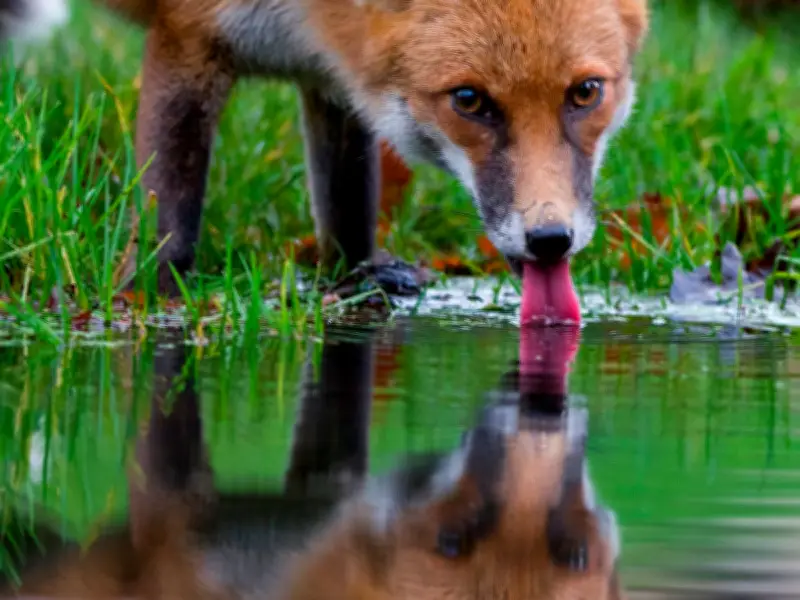
Northumberland Wildlife Trust is calling on the public to assist local wildlife during the current heatwave, emphasizing the need for water, food, and shelter as natural sources dry up. The charity warns that birds, mammals, and insects are suffering from the extreme temperatures and dry conditions.
Providing Water for Wildlife
As streams and ponds evaporate, the Trust advises placing shallow dishes of water in gardens or yards. Bird baths are ideal, but any shallow container, such as a saucer or washing-up bowl, can suffice. For smaller birds, a saucer is safer to prevent drowning. Water is crucial for birds to remove dirt and grit from feathers and to stay cool.
Supplementing Food Sources
Dry weather drives worms deeper into the soil, making them scarce for blackbirds, robins, hedgehogs, and frogs. The Trust recommends leaving out dog or cat food for blackbirds, and cooked pasta, boiled potatoes, unsalted bacon rind, fat balls, and suet for other birds. Inexpensive bird feeders stocked with fruit, raisins, seeds, grains, and oats should be placed in shady areas to keep food from spoiling quickly.
Creating Safe Habitats
Bird houses should be mounted in shaded locations with ventilation slits or holes under the eaves to allow cooling air circulation. Duncan Hutt, Northumberland Wildlife Trust Director of Conservation, said: “Don’t forget wildlife when the weather turns hot. As humans, we tend to look after ourselves first reaching for water, ice lollies, sun cream and shaded areas and forget that birds, animals and insects need a helping hand as well. A few simple little things such as water, shelter and a bit of extra food will really help. Provide that and you will have a summer filled with wildlife which you can sit back and watch - much cheaper than scrolling through a phone and so much better for your health and wellbeing.”
Garden Care Tips
Regularly watering plants not only keeps gardens attractive but also provides a lifeline for bees and butterflies when other plants die off. Saucers of sugary water offer extra energy for these insects. Piles of dead wood, logs, or leaves should be kept damp to shelter insects. Care is advised when using lawnmowers or strimmers to avoid harming frogs, ladybirds, beetles, and other insects.
Preventing Wildfires
Last summer, parts of the UK experienced the driest weather since 1935, leaving peat reserves like Northumberland Wildlife Trust’s Border Mires seriously affected. Sphagnum moss turned white, increasing fire risk and threatening birds, mammals, and insects. The Trust urges visitors to its reserves in Newcastle, Northumberland, and North Tyneside to follow these guidelines:
- Pack a picnic instead of using a disposable BBQ
- Only light BBQs or campfires in authorized locations with a fire pit and fire extinguishers available
- Extinguish cigarettes or matches and never throw them on the ground
- Take litter home as discarded bottles and cans can cause fires
- If you spot smoke or flames, ensure your safety and dial 999 immediately
Geoff Dobbins, Northumberland Wildlife Trust Estates Manager, said: “Changing weather patterns, including longer, drier spells, means wild places are much more susceptible to wildfires. These events are devastating for wildlife and communities, destroying precious habitats and costing enormous amounts of money. It’s brilliant that people want to go out enjoying nature, but we urge everyone to act responsibly. Please don’t have fires or BBQs in wild places and if you spot smoke or flames, make sure you’re safe and call 999 immediately. By following simple guidance, we can all make sure that days out in the sun don’t become tragedies for nature.”




