The Climate Change Committee (CCC) has released a groundbreaking report indicating that achieving the UK's net zero target by 2050 will be more cost-effective than enduring a single fossil fuel crisis. This transition promises significant health, economic, and security advantages while shielding the nation from future financial burdens.
Cost-Effective Transition to Renewable Energy
According to the CCC, eliminating the UK's dependence on fossil fuels through the adoption of renewable energy and green technologies, such as electric vehicles and heat pumps, represents the most economical path forward for the economy. The committee estimates that reaching net zero will cost approximately £4 billion annually, totalling close to £100 billion by 2050. This figure is roughly equivalent to the energy-related expenses incurred during the fossil fuel shocks following Russia's invasion of Ukraine in 2022.
Debunking Exaggerated Claims
These findings directly challenge assertions from right-wing think tanks and populist politicians, including the Reform party, who have claimed that net zero would impose a crippling £9 trillion cost on the UK economy. The CCC highlights that such estimates not only inflate costs but also neglect the expenses associated with continuing to rely on fossil fuels for energy if net zero is not achieved.

Nigel Topping, chair of the CCC, emphasised that the real costs are manageable and provide protection against future fossil fuel supply disruptions and climate crisis impacts. "In light of current world events, it's more important than ever for the UK to move away from being reliant on volatile foreign fossil fuels, to clean, domestic, less wasteful energy," he stated.
Health and Economic Benefits
The transition to net zero is projected to yield substantial benefits, including:
- Warmer homes and cleaner air, leading to improved public health.
- More active travel options and healthier diets with reduced red meat consumption.
- Annual savings of £2 billion to £8 billion for the NHS and individuals.
The CCC found that each pound invested in reaching net zero generates between £2 and £4 in benefits. Additionally, avoiding some impacts of climate breakdown could save up to £130 billion by 2050.
Political and Industry Responses
Energy Secretary Ed Miliband welcomed the report, noting its significance in demonstrating that the net zero transition is cheaper than the recent gas price crisis and can protect families from future fossil fuel shocks. "This is further proof that those who oppose our mission for clean energy would abandon the pursuit of national energy security, lower bills, and protecting our children and grandchildren," he said.
Mike Childs, head of science at Friends of the Earth, echoed this sentiment, stating that the switch to renewables and electric vehicles is economically sensible and will improve long-term prosperity while safeguarding the environment.
Current Fossil Fuel Volatility
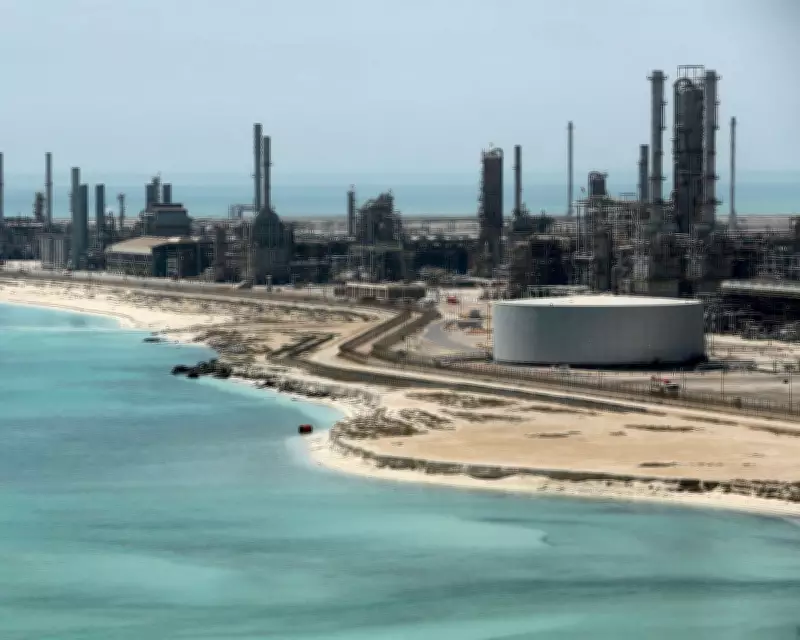
The report comes amid ongoing instability in global oil markets, with prices recently soaring above $100 per barrel due to supply constraints in the Middle East, such as production halts and stranded tankers in the Strait of Hormuz. This marks the second major oil price shock in four years, with experts warning of more to come given the unstable geopolitical landscape.
Bob Ward, policy director at the Grantham Institute, London School of Economics, affirmed that accelerating the transition to a largely electrified economy powered by clean domestic energy would result in substantial and lasting savings for the UK.
Opposition and Future Outlook
Despite the clear benefits, both the Conservative party and Reform have pledged to scrap the net zero goal, with Reform reportedly seeking to eliminate incentives for heat pumps. Paul Morozzo, UK climate campaigner at Greenpeace, criticised this approach, arguing it would leave the UK more exposed to volatile gas markets and higher bills.
The UK government is set to respond to the seventh carbon budget, covering 2038 to 2042, later this year, as the country remains legally bound to achieve net zero greenhouse gas emissions by 2050.