
The National Trust is leading a series of major meadow regeneration schemes across England and Wales, aiming to revive species-rich grasslands after 97% of the UK's hay meadows have been lost since the 1930s. These projects are restoring vital ecosystems, supporting pollinators, and helping to mitigate flooding and climate change.
Extent of Meadow Restoration Across the UK
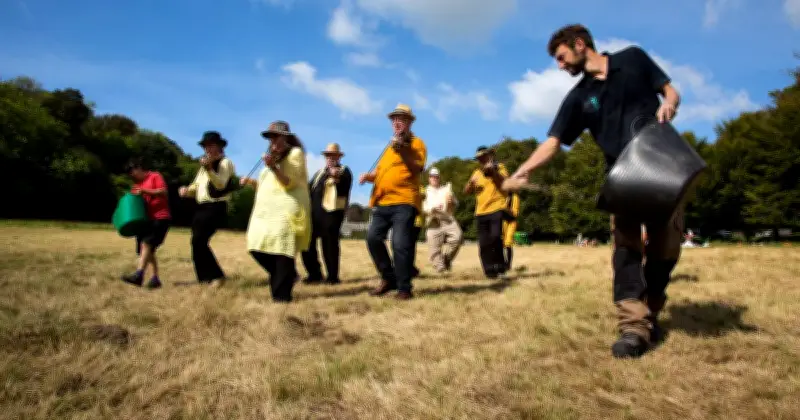
More than 300 hectares of coastal meadows have been restored in Cornwall, 320 hectares of new meadows sown in Gloucestershire's Stroud valleys, and 40 meadows identified for regeneration in the Lake District. Techniques include heavy horse meadow management, 'pyramidical' seed harvesting, and conservation grazing with Hereford cattle.
Importance for Wildlife and Climate
Jonathan Fairhurst, Lead Ranger in Devon, said: “Wildflower meadows are an incredibly threatened habitat with the UK having lost 97% since the 1930’s. Restoration of meadows are vitally important for pollinators like bees and butterflies, providing nectar and pollen and they are also home to a diverse array of wildlife such as insects, birds and small mammals.” He added: “Healthy meadow soils can also act as an important carbon sink, sequestering carbon and helping with climate change. Complex meadows can help with flood prevention by slowing the flow of rainwater as it falls and gradually soaks into the soil.”
Stroud Landscape Project
The Stroud Landscape Project is tackling dramatic grassland loss by restoring and reconnecting meadows across the Stroud valleys. More than 320 hectares have already been sown with wildflowers, creating a habitat network where species such as the endangered Large Blue Butterfly can thrive. Two newly created hay meadows are already supporting insect life, with an estimated 1.8 million grasshoppers and crickets this year.
Lake District and Surrey Hills Initiatives
A partnership between the National Trust and Cumbria Wildlife Trust in the Lake District has surveyed over 40 meadows to identify where wildflowers, pollinators, and other wildlife can thrive. The goal is to ensure at least two species-rich meadows on every National Trust farm. In the Surrey Hills, heavy horses are used at Bookham Commons to create a species-rich hay meadow, using low-impact grazing and cutting methods that reduce soil compaction and encourage wildflower growth.
Norfolk and Cornwall Projects
At Blickling in Norfolk, Pond Meadow is flourishing after being planted with 90 species of Norfolk wildflowers just 18 months ago, with bird's-foot trefoil, black knapweed, and ox-eye daisies establishing. The Cornish Coastal Meadows Project, launched in 2020, has revived 300 hectares of species-rich grassland across National Trust and partner land, with another 100 hectares planned over the next five years. Several sites have gained lowland meadow status.
Cambridgeshire and North Devon Efforts
At Wimpole in Cambridgeshire, over 40 hectares of wildflower meadows are managed using organic, low-intensity methods. After flowering, vegetation is cut and removed to maintain low nutrient levels, while unwanted species are hand-pulled. The North Devon Grasslands Project is creating new species-rich grassland across 70 miles using a pyramidal method where each hectare of donor seed creates two hectares of new meadow, on track to deliver 1,275 hectares by 2030.
Grazing and Traditional Management
At Ty Mawr Farm in Hereford, cattle are helping transform the landscape by creating varied vegetation heights and spreading wildflower seeds through grazing, feet, and dung. At Winston Churchill's former home of Chartwell in Kent, the orchard meadow is managed traditionally with long grasses cut and left to drop seed in late summer, ensuring wildflowers and butterflies flourish.
Fairhurst concluded: “Wildflower meadows are good for the soul, the vibrant colours the buzzing wildlife, they are great places to explore, decompress and spend time.”




