
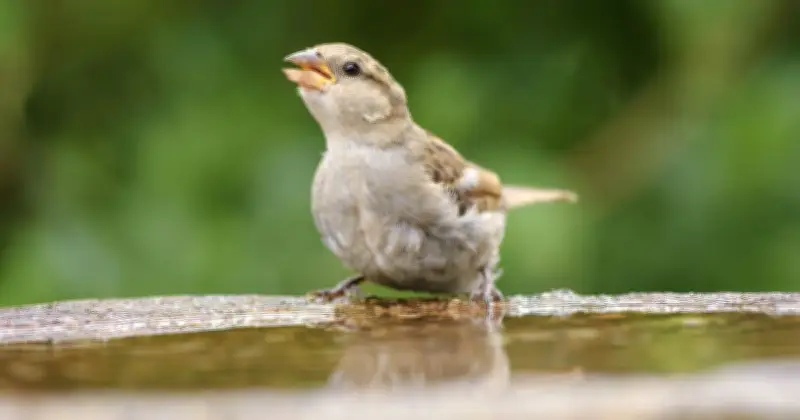
Gardeners are being urged to relocate their bird baths to shaded areas as a scorching 37C heatwave sweeps across the UK. The Met Office has issued a two-day red warning for extreme heat from Wednesday at 9am until Thursday at 9pm, covering 50 UK areas and warning of 'population-wide adverse health effects'.
Why Birds Need Shade During Heatwaves
While many focus on personal comfort during hot weather, wildlife experts stress the impact on garden birds. Birds already face reduced food availability due to declining insect populations, and their thick feathers, designed for winter warmth, make summer heat difficult to manage.
Bird baths provide essential relief by offering fresh drinking water and a place to cool off. However, their effectiveness depends on placement. Maria Kincaid, in-house ornithologist for smart bird feeder FeatherSnap, advises moving baths to shaded spots.
She explains: 'Birds lack the sweat glands that humans have to help keep them cool, so they have to alter their behaviour. When the sun is at its warmest, you're most likely to find birds in the cool shade of the trees, as the shade can make the temperature feel between five and ten degrees cooler.'
Best Practices for Bird Bath Placement
Kincaid recommends placing bird baths and feeders in shady areas to create a cool refuge for food and prevent spoilage. However, she warns against moving bird houses into the shade unless you are certain they are empty, as this could disturb nesting birds.
'One of the ways that many birds will keep cool, besides angling their feathers to catch a breeze and panting to help release heat, is to take a quick dip, much like we would. Provide a bird bath, and more than one if you're able. Bird baths filled with cool, clean water not only provide a haven to cool feathers, but also a reliable source of drinking water to help replace what's lost through respiration,' she adds.
Long-Term Tips for Helping Birds
Beyond immediate heatwave measures, Kincaid suggests long-term efforts to support birds. 'Plant native, bird-friendly plants like sunflowers, honeysuckle, and holly. These plants offer shade, provide insects for food during spring and summer, and provide seeds and fruit in late summer and autumn.'
She also emphasises the importance of limiting or avoiding pesticides: 'Insects are an important part of the ecosystem, and a vital food source for many species of birds, especially during the breeding season and while they're feeding young.'
Regular cleaning and maintenance of feeders and bird baths are also crucial to prevent disease. By taking these steps, gardeners can help birds survive the extreme heat and thrive in the long term.




