Ancient Sea Fossils Discovered on Mountain Peaks Reignite Biblical Flood Debate
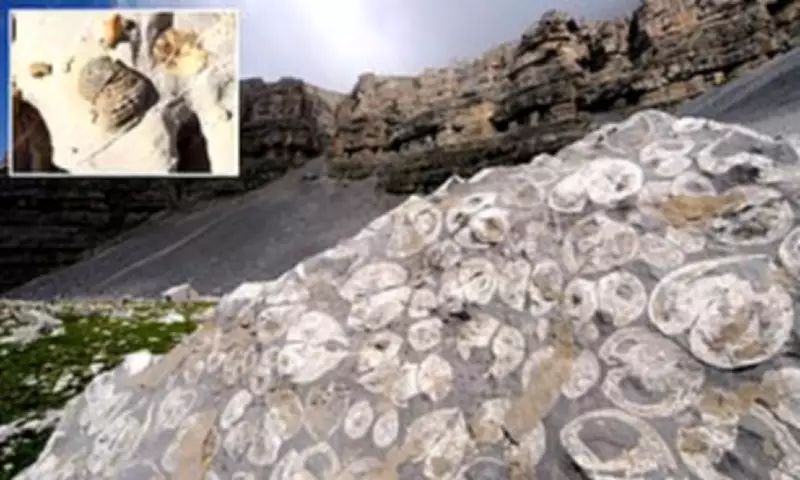
A viral video documenting the discovery of ancient marine fossils atop the Guadalupe Mountains has sparked intense online debate about the biblical story of Noah's Great Flood. The footage, viewed over seven million times, shows hikers in west Texas and southeastern New Mexico uncovering fossilized bivalve seashells and other shellfish remnants embedded in rocks at high elevations.
Online Speculation Fuels Flood Theory Revival
The viral clip has triggered a wave of speculation across social media platforms, with numerous viewers claiming the fossils provide evidence for the global flood described in the Book of Genesis. According to the biblical account, God sent a catastrophic deluge to cleanse widespread human corruption, instructing Noah to build an ark to preserve his family and pairs of every animal species.
"[I] didn't need this discovery to believe in the great flood," one user commented on X, while another declared: "The Bible is accurate and true!" Many online commentators pointed to similar fossil discoveries worldwide as supporting what they call "great flood theory."

Geological Explanation: Tectonic Forces Over Millions of Years
Geologists and scientists offer a dramatically different explanation, stating the shells represent remnants of ancient seabeds that were gradually lifted thousands of feet into the air by tectonic forces over millions of years. Marine fossils have been documented on numerous mountain ranges globally, including the Himalayas, Andes, and Rocky Mountains.
Scientists explain that many rocks found in modern mountain ranges originally formed on ancient ocean floors, where marine creatures like clams, corals, and trilobites once lived. When these animals died, their shells sank to the seabed and became buried in sediment layers that eventually hardened into rock, preserving them as fossils.
The National Park Service clarifies that millions of years ago, much of what is now west Texas and southeastern New Mexico was covered by the Delaware Sea, a shallow inland sea where shell-forming creatures thrived.Global Examples of Marine Fossils at High Elevations
The process of tectonic uplift explains why marine fossils appear at extraordinary elevations worldwide:
- Mount Everest: Marine fossils dating back approximately 450 million years have been identified in the Qomolangma Limestone formation near the summit, originating from the ancient Tethys Ocean before the Indian and Eurasian tectonic plates collided to form the Himalayas.
- Andes Mountains: Fossils of prehistoric marine organisms demonstrate that parts of this South American range were once submerged before tectonic forces raised the mountains.
- Rocky Mountains: Much of this region was covered by the Western Interior Seaway, a vast inland ocean that left behind marine sediment and fossilized sea life when it receded.
- Appalachian Mountains: Among Earth's oldest ranges, these mountains contain widespread marine fossils preserved in sedimentary rock layers from prehistoric oceans.
- Antarctica: Marine fossils in the Transantarctic Mountains suggest parts of the frozen continent once hosted ocean environments before crustal shifts reshaped the landscape.
Scientific Consensus Versus Biblical Interpretation
Despite the scientific consensus, the viral video has highlighted the persistent cultural fascination with flood narratives. Many social media users pushed back against biblical interpretations, noting that marine fossils in mountains represent a well-documented geological phenomenon linked to tectonic plate movement.
Geologists emphasize that tens of millions of years after marine creatures died in ancient seas, powerful tectonic forces slowly pushed these fossil-filled seabeds upward, lifting them thousands of feet to form modern mountain ranges. This same process explains discoveries in New Mexico's Sangre de Cristo and Santa Fe mountain ranges, where scallops and other ocean-dwelling organisms from the Pennsylvanian period have been preserved in rock.

The debate continues online, illustrating how scientific discoveries can intersect with longstanding religious narratives and cultural beliefs about Earth's history.