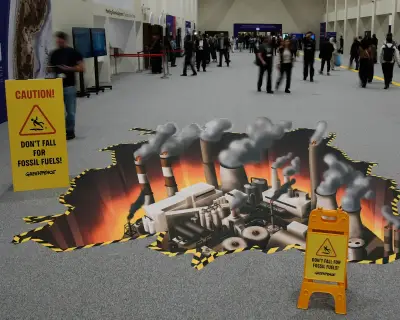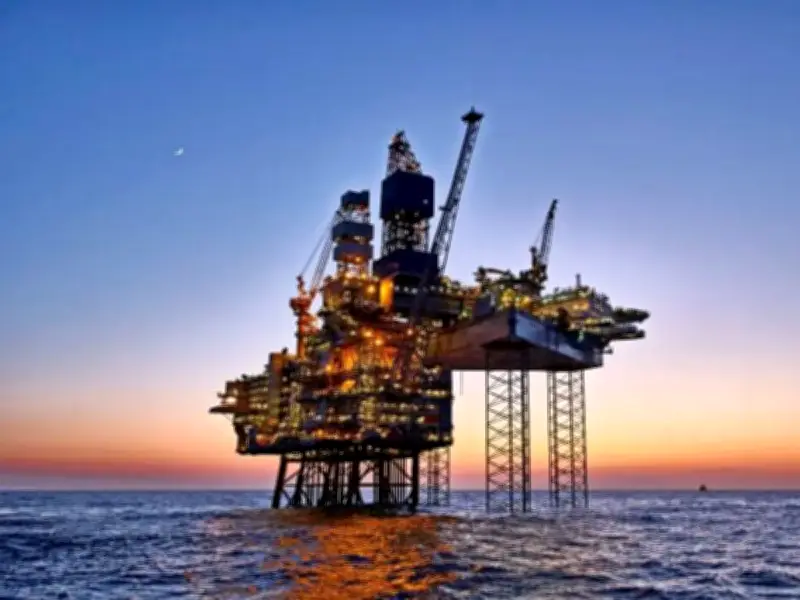
Monica Lennon has said that approving the Rosebank oilfield would be a major mistake, arguing that the UK Government must look beyond short-term economics and consider the kind of economy it wants to build. She opposes the project because of the climate damage it will cause, insisting the choice is not between protecting the environment and protecting jobs but between clinging to an industry facing long-term change and building a new industrial future.
Climate and COP31 concerns
Lennon highlighted the failure of COP31 in Antalya, where countries were unable to agree a text that even mentioned fossil fuels. She welcomed Prime Minister Andy Burnham's commitment to British climate leadership and his recognition that clean energy is essential to energy security, good jobs and lower bills. Energy Secretary Miatta Fahnbulleh also expressed disappointment at the summit's failure to secure greater ambition, with the UK among countries rejecting the proposed agreement.
Almost 100 Labour MPs have urged the Prime Minister to reject Rosebank, demonstrating the strength of feeling about the long-term direction of the economy and energy policy.
Industry claims examined
Lennon said Rosebank will not bring down household energy bills, as around 90 per cent of its reserves are oil, transported by tanker and sold into international markets. Prices are determined by global supply and demand, not where oil is extracted. She argued the answer is to reduce dependence on volatile fossil fuel markets through renewable power, better-insulated homes and a modern energy system.
On financial benefits, she noted that Rosebank is 80 per cent owned by Adura, the Equinor and Shell joint venture, with the remaining 20 per cent held by Ithaca Energy, majority-owned by Delek Group. Delek is listed in the UN Human Rights Office database of businesses linked to activities in Israeli settlements in occupied Palestinian territories. Lennon raised this in the Scottish Parliament, saying the UK Government must consider its international human rights obligations and potential financial benefits flowing to Delek before approving the project.
Analysis by Uplift and WWF Norway has highlighted the possibility of substantial private profits alongside financial risks for the UK taxpayer, raising questions about whether the public gets a fair return for the risks it carries.
Jobs and industrial strategy
Lennon said Rosebank could generate construction work and some ongoing employment, but temporary contracts and limited permanent jobs are no substitute for a comprehensive industrial strategy or lasting employment for oil and gas communities. She pointed to opportunities in offshore wind, tidal energy, grid infrastructure, battery storage, home insulation and manufacturing supply chains as sources of skilled, well-paid and secure jobs.
She stressed the need for a serious industrial strategy backed by long-term public investment, domestic manufacturing, strong trade unions, collective bargaining and properly funded apprenticeships. Workers need paid retraining, decent pensions and secure employment. Policy certainty is also needed so small businesses can invest in insulation, heat pumps and staff, colleges can plan apprenticeships, and local councils can fund programmes to make homes warmer and more energy efficient.
Lennon recalled attending a special Mass at St Andrew's Cathedral in Glasgow to mark COP31, where school pupils and concerned citizens came together out of care for nature and a determination to protect lives and livelihoods. She concluded that new fossil fuel developments risk locking us into further oil dependence and undermining climate commitments, and that rejecting Rosebank is the right choice for people and the planet.