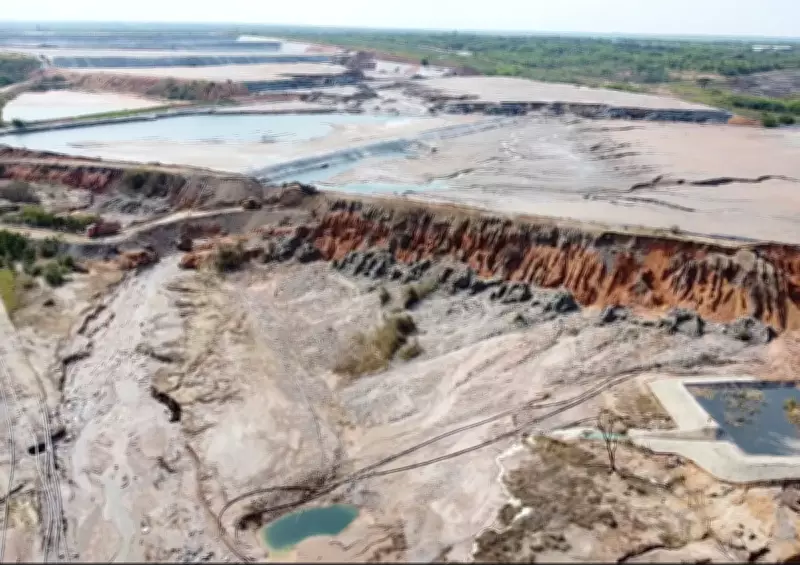
Across the globe, a hidden environmental crisis looms as thousands of dams filled with poisonous mining waste threaten to burst, potentially unleashing catastrophic pollution. These structures, often aging and poorly maintained, store toxic byproducts from mining operations, including heavy metals and chemicals that can contaminate water sources, destroy ecosystems, and harm human health for generations.
The Scale of the Problem
Recent investigations reveal that these toxic waste dams are dotted around the world, from remote regions to areas near populated communities. Many were built decades ago with outdated engineering standards and are now showing signs of deterioration due to factors like climate change-induced weather extremes, seismic activity, and lack of regulatory oversight. The cumulative volume of waste stored is staggering, with some dams holding millions of tonnes of sludge that could flow for miles if breached.
Consequences of a Burst
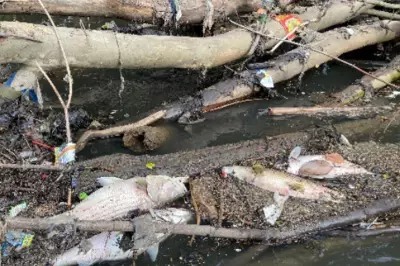
When such dams fail, the results are devastating. Historical incidents have shown that toxic spills can lead to immediate loss of life, long-term health issues from exposure to contaminants, and irreversible damage to agriculture and wildlife. Cleanup efforts are often costly and technically challenging, with some areas remaining uninhabitable for years. The financial burden falls on governments and taxpayers, as mining companies may evade responsibility through bankruptcy or legal loopholes.

Regulatory Gaps and Solutions
Current regulations in many countries are inadequate to address this growing risk. There is a pressing need for stricter safety standards, regular inspections, and mandatory insurance for mining companies to cover potential disasters. Experts advocate for transitioning to safer waste disposal methods, such as dry stacking or reprocessing, to reduce reliance on these hazardous dams. International cooperation is also crucial, as pollution from a burst dam can cross borders, affecting multiple nations.
In conclusion, the world faces a toxic timebomb from mining waste dams that requires urgent action. Strengthening infrastructure, enforcing robust regulations, and investing in alternative technologies are essential steps to prevent future environmental and humanitarian disasters.