
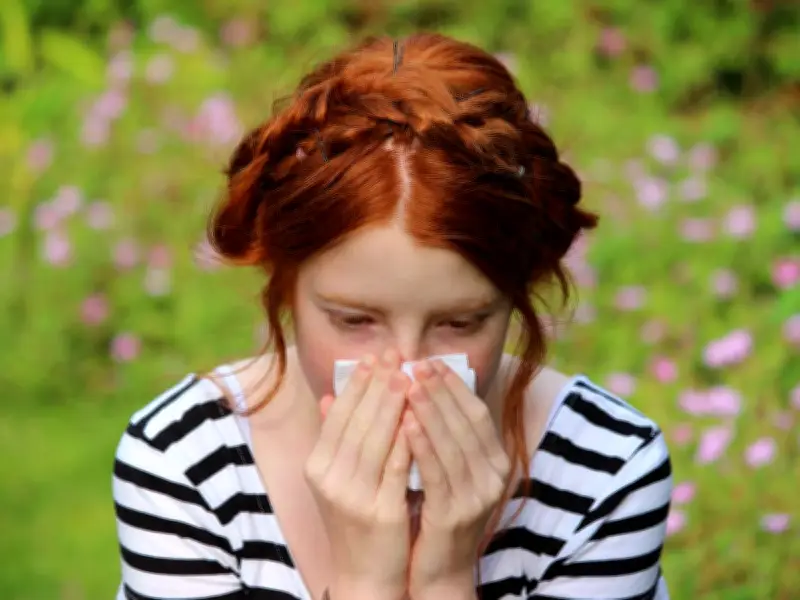
The Met Office has issued a 'very high' pollen warning for parts of Scotland this week, as temperatures are expected to soar. The warning, the highest level from the forecaster, will affect Dumfries, Galloway, Lothian, the Borders, and the Strathclyde region on Thursday, June 25.
Regions Affected and Forecast Details
According to the Met Office pollen forecast, Dumfries is currently expected to hit highs of 31C, contributing to the rise in pollen levels. Central, Tayside, and Fife will experience 'high' pollen levels, while Grampian is predicted to have a 'medium' risk. The Highlands will have the lowest levels, with 'low' pollen each day.
The 'very high' levels are expected to peak on Thursday but will lower on Friday, June 26, and into the weekend. Dumfries and Lothian regions are predicted to drop back to low pollen levels on Saturday, June 27.
Hay Fever Symptoms and Causes
Hay fever, the most common name for pollen allergy, is primarily caused by grass pollen, though other pollens can also trigger symptoms. Over 10 million people in the UK suffer from hay fever, according to estimates. Symptoms are often worse on warm, dry, and breezy days, as these conditions allow pollen to be easily released and spread efficiently through the atmosphere.
The Met Office measures pollen counts per cubic metre over 24 hours. Symptoms typically appear when the count exceeds 50. A 'high' grass pollen count ranges from 50 to 150 grains per cubic metre, while 'very high' means over 150 grains.
According to the NHS, hay fever symptoms are usually worse between late March and September. Common symptoms include sneezing, coughing, a runny or blocked nose, itchy or watery eyes, loss of smell, itchy throat, headaches, tiredness, and pain around the forehead and sides of the head.
Managing Hay Fever Symptoms
While there is no cure for hay fever, sufferers can ease symptoms by applying Vaseline around the nostrils to trap pollen, wearing wraparound sunglasses, showering and changing clothes after being outdoors, keeping windows shut, and using pollen filters. Avoid spending too much time outside, bringing fresh flowers indoors, cutting grass, and drying clothes outside. Smoking can also worsen symptoms.
Pharmacists can recommend antihistamine drops, nasal sprays, tablets, or steroid nasal sprays to help manage symptoms.




