
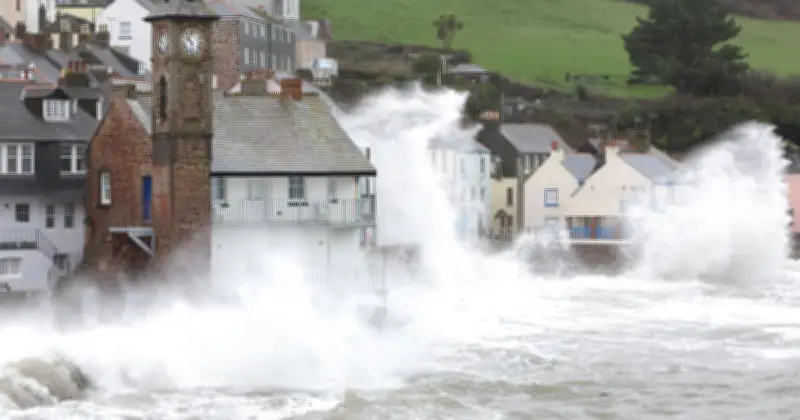
The Met Office's chief meteorologist has warned that 'normal weather' no longer exists due to climate change, with extreme events becoming more frequent and severe.
Ian Lisk made the comments at a panel of business experts at the Airports UK annual conference, where he outlined the impact of extreme weather on the UK's infrastructure and aviation industries.
'We don't get normal weather any more'
Speaking to business leaders, Mr Lisk said: "We don't get normal weather any more, fundamentally." He added that weather typically considered extreme was becoming more frequent.
He said people had seen the consequences of climate change this summer and were now worrying about heatwaves and droughts affecting next year as well. Storms were also becoming more severe, which the Met Office is taking into account when testing worst-case scenarios for extreme weather, he said, adding: "None of this is good news."
Winter outlook and climate drivers
Mr Lisk went on to say: "The heatwaves and the events of this last summer had nothing to do with El Nino.
"We don't know yet, but we're looking at a colder and drier winter which is bad because we need a lot of rain to make up for the existing deficit."
The Met Office previously said the UK was on course for its hottest summer on record this year, according to provisional data, and that human-induced climate change was influencing temperatures.
El Nino occurs when sea-surface temperatures in parts of the tropical Pacific become warmer than average and can affect weather patterns in Europe. Historically, El Nino events have tended to be associated with warmer, wetter and stormier conditions across the UK and northern Europe during late autumn and early winter. But El Nino is one of several climate drivers that can influence the UK's weather and so does not determine exactly what conditions the UK is likely to experience, the Met Office has previously said.
Aviation infrastructure concerns
James Richardson, chief analyst at the Climate Change Committee, who was also on the panel, warned that the UK needed to do more to ensure its infrastructure was resilient to extreme weather.
"The three areas of weakness for the aviation industry are heat, flood and drought.
"We are a long way behind in terms of what is needed for adaptation as a country.
"The very hot summer we have just had has alerted people to what has been coming for a long time.
"It is going to get worse than this."




