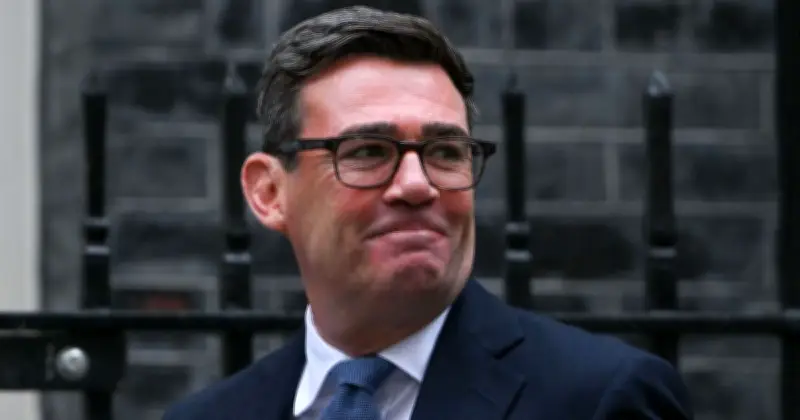
Proposals that could introduce tighter rules on solid-fuel heating and a ban on some older types of log burners and wood burners have been met with a call for fines under the new Prime Minister, Andy Burnham.
Labour already announced a consultation on its Environmental Improvement Plan (EIP), which includes a raft of policies to reduce waste and cut pollution levels. Under the proposals set out in the plan, manufacturers of wood burners would be banned from selling older models unless they meet new standards, though burners already in use would not be retrospectively outlawed.
Industry urges focus on fines
Smoke Control Areas, which set limits on the types of solid fuel which can be burned in log burners, fireplaces and chimneys in certain areas of England, could also be made even more strict under the proposals. Following the start of the new PM's tenure, industry figures at the Heating Equipment Testing and Approval Scheme (HETAS), representing solid-fuel-burning manufacturers, are urging Mr Burnham to focus on issuing fines to get people to ditch their old burners, rather than on tightening rules for new products.
Barry Cope, CEO of HETAS, told the Express: “A wood burner isn't a fashion accessory you swap out each season – they stay in homes for fifteen years or more. Tighter limits on new stoves are welcome, but it will be over a decade before they filter through to most households. If Government wants cleaner air sooner, it needs a serious plan for the open fires and outdated stoves in homes right now – including support to upgrade the oldest appliances, guidance on burning better, and education on the importance of chimney sweeping. Without a plan, these proposals are only part of the answer.
"Wood burners aren't phones – people don't get a new one every year. Tightening the rules for new appliances will move the needle, but very slowly. Government's own figures show the gap between old and new appliances is large, and until there is a proper plan for the older ones, the solid fuel burning proposals are only a partial fix."
Government consultation on emissions
The Government has said it will consult on measures to reduce the environmental impact of the public burning wood, such as stoves and bonfires, after it unveiled the revised EIP in December. Ministers said the consultation will aim to 'minimise the impact' of these changes on those who need to burn wood and to respect traditional festivals such as Bonfire Night and Diwali.
The Government has tightened the target to cut the emissions of PM2.5 – a fine particulate pollutant linked to asthma, lung disease and heart conditions – by 30% by 2030 compared to 2018 levels. According to the official figures, a fifth of PM2.5 emissions in 2023 came from domestic combustion.
The EIP states: “The burning of solid fuels is a large contributor to national emissions of fine particulate matter (PM2.5) and is a major source of air pollution, especially in urban areas. The World Health Organisation considers PM2.5 the most harmful pollutant to human health (air pollution is responsible for 6.7 million premature deaths every year, World Health Organisation (WHO) 2025).
“These particles can enter the bloodstream and internal organs, and there is a growing body of evidence linking exposure with a range of debilitating health conditions, including cardiovascular disease and asthma. We will consult on further measures to reduce emissions from domestic burning… Consult on new measures that cut emissions from domestic combustion, whilst minimising the impact on those that need to burn and respecting traditional celebratory festivals such as Bonfire Night and Diwali.”
Fine for non-compliance welcomed
It is understood that the EIP will bring the UK’s PM2.5 standards in line with the EU, which was not the case under the previous EIP, published by the Conservatives in 2023. Helen Bentley-Fox, Woodsure director, said plans for a £2,000 fine for non-compliance with the new rules were welcome.
She said: "We regularly hear from genuine, law-abiding firewood suppliers who are frustrated that competitors selling dirty, non-compliant wood seem to face little more than a slap on the wrist. £2,000 is a real step forward, because for the first time it makes staying on the wrong side of the law meaningfully expensive. But raising the fine only works if it’s enforced, and that needs to be a priority otherwise we’ll keep seeing the same problems."
“Genuine suppliers who play by the rules keep telling us it doesn't feel like a level playing field when a competitor selling wet wood risks almost nothing. £2,000 changes that and will reduce the sale of dirty fuel, but only if enforcement follows. The next step is closing the gap that lets sellers dodge the rules altogether by claiming to only sell bulk – but this fine only has teeth if everyone is playing by the same rules.”